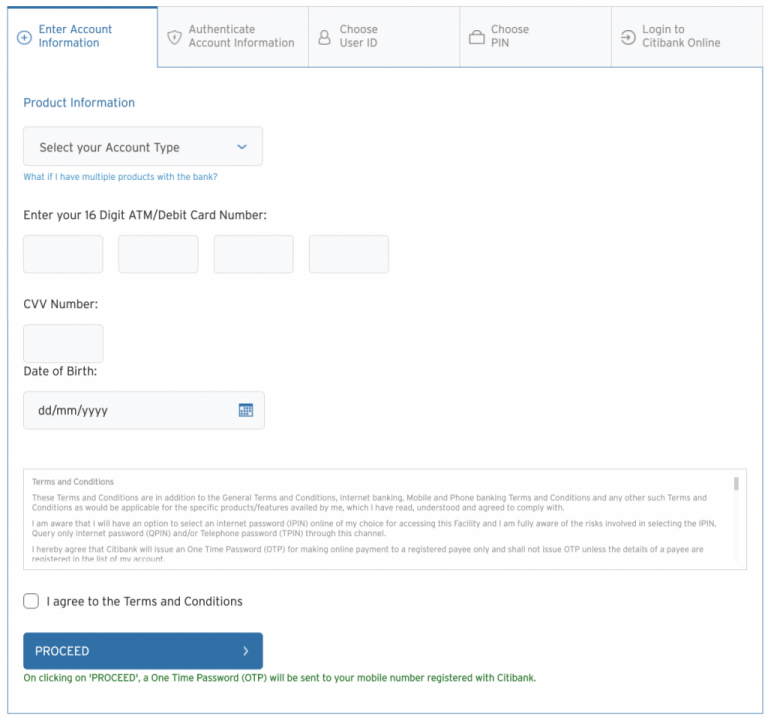
Electronic finance loan status is a vital aspect of modern banking that empowers consumers with the ability to monitor their financial engagements in real-time. This digital approach not only streamlines the loan application process but also enhances transparency and commitment between lenders and borrowers. With various platforms available today, understanding how to track and manage loan status can significantly influence one’s financial planning and overall decision-making.
As we delve deeper, we will explore the different electronic financial services, emphasize the importance of tracking loan status, and Artikel the factors that impact loan approval. This discussion encapsulates the transformative impact of technology on the financial landscape, making it essential for consumers to stay informed and proactive.
Understanding Electronic Finance
Electronic finance, often referred to as e-finance, has become a cornerstone of modern banking. It encompasses all financial services that are conducted electronically, allowing consumers to manage their banking needs quickly and efficiently from anywhere with internet access. This shift has transformed how people interact with their finances, breaking down barriers that traditionally hindered access to financial services.There are several types of electronic financial services available to consumers, including online banking, mobile payment systems, peer-to-peer lending platforms, and digital wallets.
These services provide convenience and flexibility, making it easier for individuals to handle transactions, apply for loans, and track their financial status. The advantages of using electronic finance over traditional methods are significant. Users can enjoy instant access to their accounts, reduced transaction times, and often lower fees compared to brick-and-mortar banks.
Overview of Loan Status Tracking
Tracking loan status in the realm of electronic finance is crucial. It serves the purpose of providing borrowers with real-time updates regarding their loan applications and repayment schedules. Understanding where a loan application stands can significantly influence a consumer’s financial planning and decision-making. For example, knowing the status of a loan can help individuals budget more effectively and determine the right time to make large purchases.Consumers have various methods to monitor their loan status digitally.
Most financial institutions offer online portals or mobile apps that allow borrowers to check their application status, payment history, and remaining balance. Notifications via email or text message are also common, ensuring that borrowers stay informed about any changes to their loan status.
Electronic Platforms for Loan Applications
There are numerous electronic platforms available for applying for loans, each designed to simplify the process for consumers. Popular platforms include established banks with comprehensive online services, as well as fintech companies that specialize in quick loan approvals. These platforms differ in features, such as application speed, customer service options, and the variety of loan products available.When applying for a loan through an electronic finance platform, consumers can follow these steps:
- Research and select a suitable platform based on their loan needs.
- Create an account and provide the necessary personal information.
- Fill out the loan application, ensuring all requested details are accurate.
- Submit any required documentation, such as proof of income and credit history.
- Review and accept the loan terms once approved.
Factors Influencing Loan Approval Status
Lenders consider several key factors when determining loan approval status. These include the borrower’s credit score, income level, employment history, and existing debt obligations. A higher credit score typically increases the chances of loan approval, as it reflects the individual’s creditworthiness and ability to repay debts.Credit scores play a pivotal role in the electronic finance landscape. They not only influence the approval of loans but also determine the interest rates offered to borrowers.
The documentation required for loan applications, such as bank statements and tax returns, directly impacts the loan status. Missing or inaccurate documentation can lead to delays or denials, making it essential for borrowers to provide accurate information upfront.
Communication of Loan Status Updates
Lenders utilize various methods to communicate loan status updates to borrowers. Common practices include email notifications, SMS alerts, and updates within mobile banking apps. Timely communication regarding loan status is vital for borrowers, as it enables them to make informed decisions about their finances.Electronic notifications have become a primary tool in the loan tracking process. These notifications not only inform borrowers about their application status but also remind them of upcoming payments, providing a structured approach to managing their financial obligations.
Solutions for Loan Status Issues
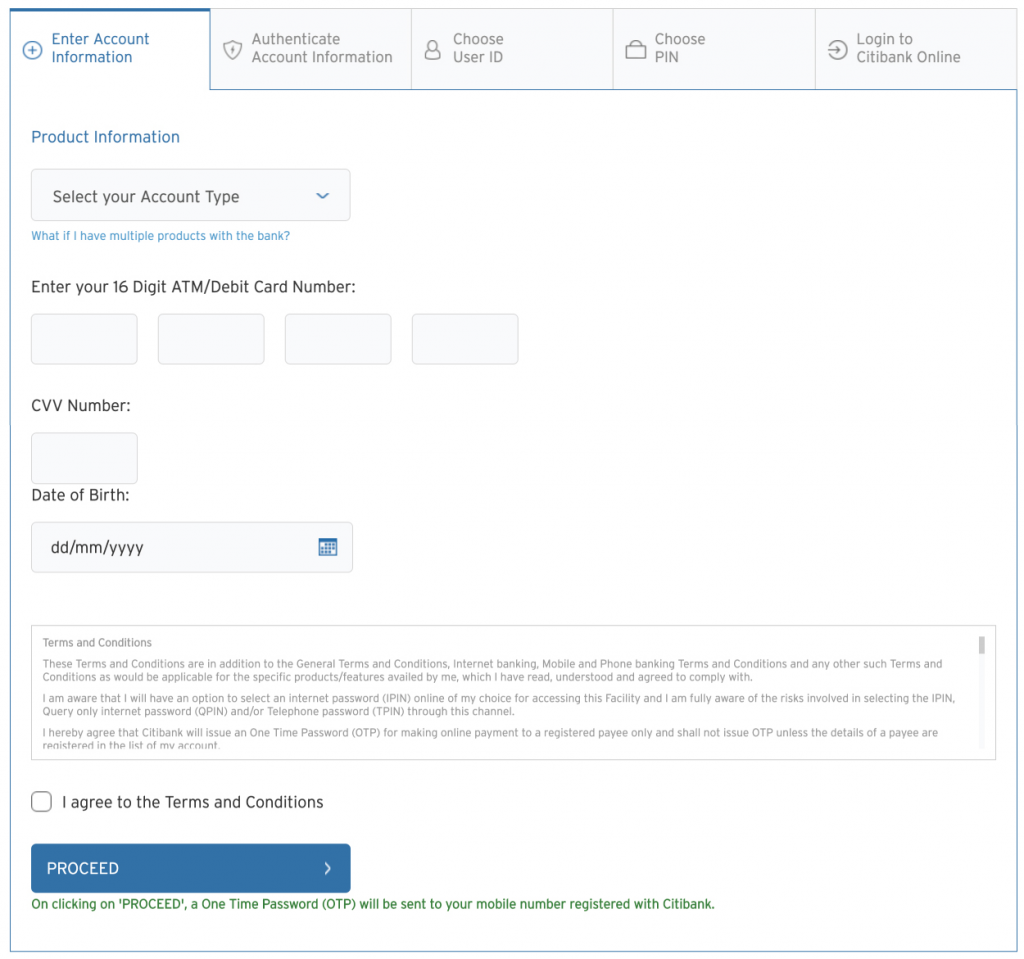
Borrowers often encounter issues regarding their loan status, ranging from miscommunication about application progress to discrepancies in repayment amounts. Addressing these issues promptly is essential to maintain financial health. Strategies for resolving loan status discrepancies include contacting the lender directly to clarify any confusion, keeping detailed records of all communications, and reviewing loan documents for accuracy. To help ensure their loan status is accurate, borrowers should follow this checklist:
- Verify all personal and financial information submitted during the application.
- Regularly check the loan status via the lender’s online portal.
- Keep track of payment schedules and amounts paid.
- Stay in communication with the lender for updates or concerns.
Future Trends in Electronic Finance and Loans
Emerging technologies are set to transform loan status tracking in the coming years. Innovations such as blockchain technology may enhance transparency and security in loan transactions, while machine learning algorithms could improve the speed and accuracy of loan approvals. Artificial intelligence is already shaping the future of electronic finance, enabling lenders to analyze vast amounts of data to assess creditworthiness more effectively.
Potential regulatory changes are also on the horizon, which may impact electronic finance and loan processes. Keeping an eye on these trends will be essential for consumers looking to navigate the evolving landscape of electronic finance successfully.
Final Thoughts
In conclusion, navigating the electronic finance loan status landscape provides invaluable insights that can enhance your financial decision-making. As technologies evolve and innovative solutions emerge, staying updated on your loan status is more crucial than ever. By understanding how to effectively track and manage your loans, you can safeguard your financial interests and adapt to the ever-changing environment of electronic finance.
Top FAQs
What is the purpose of tracking electronic finance loan status?
Tracking electronic finance loan status allows borrowers to stay informed about their loan progress, helping them manage their finances more effectively.
How can I monitor my loan status online?
Most lenders provide online portals or mobile apps where borrowers can log in to view and track their loan status and updates.
What factors might delay my loan approval status?
Delays can occur due to incomplete documentation, low credit scores, or additional information requests from lenders.
How do lenders communicate loan status updates?
Lenders typically use email notifications, SMS alerts, or updates through their online platforms to keep borrowers informed about their loan status.
What should I do if I find discrepancies in my loan status?
If you notice discrepancies, contact your lender immediately to clarify and resolve any issues with your loan status.