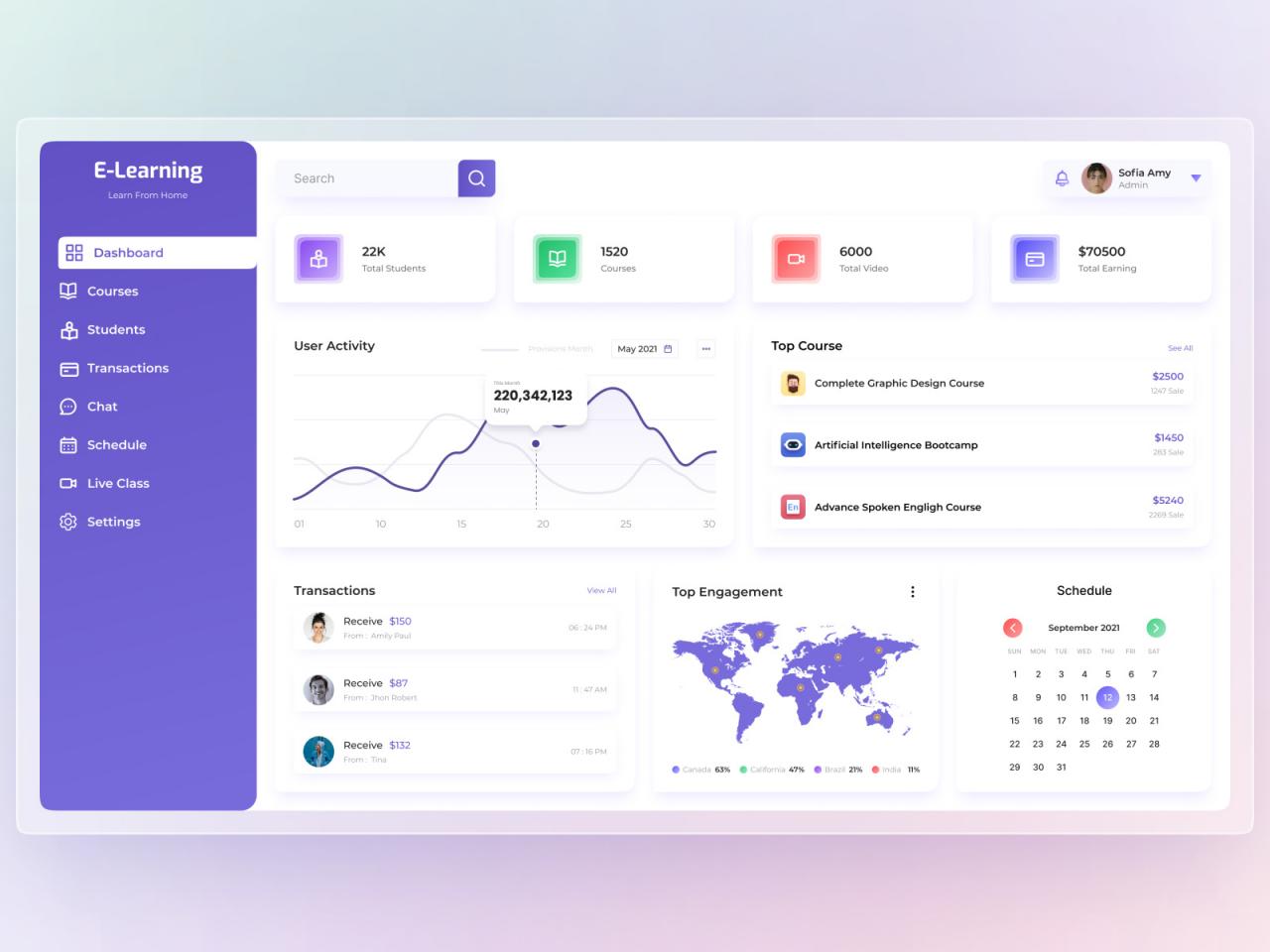
A dashboard learning platform serves as a central hub that revolutionizes the way educational content is presented and interacted with. By integrating various learning tools and resources into one accessible interface, it enhances the educational experience for both educators and learners alike.
These platforms come equipped with features like analytics, customizable interfaces, and user-friendly designs, making them invaluable in today’s fast-paced learning environments. With the growing demand for effective online education, understanding the advantages and functionalities of dashboard learning platforms is essential for anyone involved in the field of education.
Overview of a Dashboard Learning Platform
A dashboard learning platform serves as a centralized interface that aggregates various educational resources, data, and tools into one accessible location. This innovative approach to learning streamlines the educational experience, making it easier for learners and educators to track progress, manage content, and engage with materials. At its core, a dashboard learning platform is designed to enhance the teaching and learning process by providing a visual representation of important metrics and resources.The benefits of using a dashboard learning platform in education and training are multifaceted.
These platforms allow for personalized learning experiences, enabling users to tailor their educational journeys based on individual needs and preferences. Additionally, educators can utilize data analytics to monitor student performance in real-time, facilitating timely interventions and support. The integration of various learning tools—such as quizzes, discussions, and multimedia content—further enriches the educational experience.
Features of Dashboard Learning Platforms
Dashboard learning platforms typically come equipped with a range of features that enhance user engagement and learning outcomes. Understanding these features can help stakeholders choose the right platform for their needs.
- Data Visualization: The ability to display performance metrics, engagement levels, and learning progress through intuitive graphs and charts is a hallmark of dashboard learning platforms. This visual aspect helps users quickly grasp their current standing and areas needing improvement.
- Personalized Learning Paths: Many platforms offer customized pathways for learners, allowing them to advance through courses at their own pace based on their skill level and interests.
- Collaboration Tools: Features such as discussion boards, group projects, and peer review systems foster collaboration among students, enhancing the learning experience through shared knowledge and diverse perspectives.
- Integration with Other Tools: Dashboard platforms often integrate with third-party applications, such as video conferencing tools and content management systems, providing a seamless learning ecosystem.
- Mobile Accessibility: The ability to access learning materials and dashboards via smartphones and tablets ensures that education is not confined to traditional settings, making learning more flexible.
Popular Dashboard Learning Platforms
Several dashboard learning platforms have gained popularity due to their effectiveness in enhancing educational experiences. Here are some notable examples:
- Moodle: An open-source learning management system that offers a customizable dashboard for institutions, allowing educators to create tailored courses and track student performance.
- Google Classroom: A free service that provides a streamlined dashboard for teachers and students, facilitating assignment management, feedback, and collaboration.
- Canvas: A cloud-based learning management system known for its user-friendly interface and robust analytics capabilities, offering educators insights into student progress and engagement.
- Blackboard: A comprehensive educational platform that combines learning management with analytics, providing a rich dashboard experience for higher education institutions.
- Edmodo: A social learning platform that allows teachers to create a classroom dashboard that fosters communication, resource sharing, and collaboration among students.
Key Components of Dashboard Learning Platforms
Effective dashboard learning platforms serve as the hub for educational insights, providing users with the tools they need to track their progress and enhance their learning experiences. A well-designed platform integrates various key components that not only drive engagement but also facilitate a seamless educational journey.
Essential Features of an Effective Dashboard Learning Platform
A robust dashboard learning platform integrates several essential features that enhance the learning experience. These features ensure that learners can access information efficiently and engage meaningfully with the content. Key features include:
- User Authentication: Secure login systems protect users’ data while allowing personalized experiences.
- Customizable Dashboards: Users can arrange their learning tools and resources according to their preferences, which promotes a sense of ownership over their education.
- Content Management System: This feature allows educators to easily upload, organize, and update course materials, ensuring learners have access to the latest information.
- Interactive Elements: Quizzes, discussion boards, and multimedia content help to engage learners actively, catering to different learning styles.
User Interface and User Experience in Dashboard Learning Platforms
The role of user interface (UI) and user experience (UX) cannot be overstated in the design of dashboard learning platforms. A user-friendly interface enhances accessibility and encourages user engagement, while a solid UX ensures that learners can navigate the platform with ease. The design should prioritize intuitive navigation, clear labeling, and an aesthetically pleasing layout. For instance, color-coded sections facilitate quick access to different areas, while responsive design allows for seamless use across devices, such as smartphones, tablets, and computers.
Effective UI and UX design are critical for maximizing user engagement and satisfaction in learning platforms.
Importance of Analytics and Reporting Functionalities
Analytics and reporting functionalities are crucial components that empower both learners and educators. They enable the tracking of progress, identification of areas needing improvement, and overall assessment of course effectiveness. These functionalities might include:
- Performance Tracking: Learners can monitor their progress over time, helping them remain motivated and take proactive steps in their learning journey.
- Data Visualization: Graphs and charts provide at-a-glance insights into performance trends, making it easier for users to identify strengths and weaknesses.
- Custom Reports: Educators can generate detailed reports to assess class performance, providing insights that inform instructional strategies.
Incorporating advanced analytics, such as predictive analytics, allows for the anticipation of learner needs and tailoring of educational experiences accordingly. Real-life applications of these technologies can be seen in platforms that utilize machine learning algorithms to suggest personalized learning paths based on user behavior and performance data.
Implementation Strategies for Dashboard Learning Platforms
Integrating a dashboard learning platform into an existing curriculum requires careful planning and execution. By following structured procedures, educators can enhance their teaching methodologies and students can achieve greater learning outcomes. This content Artikels the strategies necessary for effective integration, training, and a timeline for implementation.
Step-by-Step Procedures for Integration
Implementing a dashboard learning platform involves several key steps to ensure a smooth transition. The following procedures can facilitate the integration into the existing curriculum:
- Assessment of Needs: Evaluate the current curriculum to identify areas where the dashboard can enhance learning experiences.
- Selection of Platform: Research and select a dashboard learning platform that aligns with educational goals and technical requirements.
- Infrastructure Setup: Ensure the necessary technical infrastructure is in place, including internet connectivity and compatible devices for both educators and students.
- Content Migration: Transfer existing course materials to the new platform, ensuring that all resources are accessible and well-organized.
- Integration with Curriculum: Seamlessly incorporate the platform into the curriculum, aligning learning objectives with the dashboard’s capabilities.
- Pilot Testing: Conduct a pilot test with a small group of educators and students to gather feedback and make necessary adjustments.
- Full Implementation: Roll out the platform across all classes, providing ongoing support to address any issues that arise.
Training Best Practices for Educators and Learners
Effective training is essential for both educators and students to maximize the benefits of the dashboard learning platform. The following best practices should be considered:
“Comprehensive training fosters confidence and competence in utilizing technology for educational purposes.”
Training sessions should be thorough and engaging, covering the following aspects:
- Hands-On Workshops: Organize interactive workshops that allow educators to explore the platform’s features and functionalities firsthand.
- Resource Development: Create user-friendly manuals and quick reference guides tailored for both educators and learners to facilitate ongoing learning.
- Peer Support Networks: Establish support groups where educators can share experiences, troubleshoot issues, and exchange tips on using the dashboard effectively.
- Ongoing Training Opportunities: Provide opportunities for continuous professional development to keep educators updated on new features and best practices.
Implementation Timeline and Key Milestones
A structured timeline can help ensure that the implementation process remains organized and on track. The following milestones Artikel a typical timeline for the integration of a dashboard learning platform:
| Phase | Timeline | Key Activities |
|---|---|---|
| Planning | Month 1 | Conduct needs assessment and select the platform. |
| Setup | Month 2 | Establish technical infrastructure and migrate content. |
| Pilot Testing | Month 3 | Run a pilot with selected classes for feedback. |
| Full Implementation | Months 4-5 | Launch the platform for all classes and provide training. |
| Evaluation | Month 6 | Gather feedback and assess the effectiveness of the platform. |
Customization and Personalization Features
In today’s diverse learning environment, the ability to customize and personalize dashboard learning platforms is crucial. These features help cater to various learning styles, preferences, and individual needs, ensuring that every learner can engage effectively with the material. By tailoring the learning experience, platforms not only enhance user satisfaction but also improve educational outcomes.Customization features within dashboard learning platforms allow educators and learners to modify the interface and content according to their preferences.
This can involve adjusting the layout, selecting preferred themes, or even rearranging widgets to display the most relevant information. These modifications enable users to create a workspace that feels intuitive and comfortable, ultimately promoting a more engaging learning experience.
Methods for Customization
Implementing effective customization methods involves several strategies that can significantly enhance the learning experience. Here are some key aspects to consider:
- Adaptive Learning Paths: These paths adjust content delivery based on the learner’s progress and performance. For instance, platforms like Khan Academy use algorithms to suggest resources tailored to individual learning speeds and styles.
- Flexible Dashboard Layouts: Users can often drag and drop elements, resize panels, and choose what information to display prominently. For example, platforms like Google Classroom allow teachers to prioritize assignments and announcements based on urgency or relevance.
- Theming Options: Learners can select color schemes and font sizes that best suit their visual preferences, which is especially beneficial for those with visual impairments. Platforms like Edmodo enable users to choose themes that create a more personalized and welcoming environment.
- User-Defined Notifications: Customizable notification settings help learners receive alerts that matter to them, such as reminders for deadlines or updates on course activities. This personalization keeps users engaged and informed without overwhelming them.
Enhancing User Engagement Through Personalization
Personalization features are designed to enhance user engagement by tailoring the learning experience to individual needs. By implementing these features, platforms can foster a sense of ownership and motivation among learners.
- Personal Learning Goals: Allowing learners to set and track their own goals can significantly enhance motivation and commitment. For instance, platforms like Coursera provide personalized recommendations based on users’ interests and past course completions.
- Feedback Mechanisms: Personalized feedback based on performance helps learners understand their strengths and areas for improvement. Systems like Duolingo offer individualized feedback, guiding users through tailored exercises to reinforce their learning.
- Peer Connections: Engaging learners through customizable peer interaction features can enhance collaboration. Many platforms, such as Slack or Microsoft Teams, facilitate networking among users with similar learning goals, creating a support system that fosters teamwork and community.
- Content Recommendations: Machine learning algorithms can analyze user behavior to suggest relevant courses or materials. Platforms like LinkedIn Learning provide recommendations based on users’ skills and career aspirations, ensuring that the content remains relevant and engaging.
Customizable Elements in Popular Platforms
Various dashboard learning platforms offer a range of customizable elements that cater to personalized learning experiences. Here are notable examples:
- Canvas LMS: Users can customize course navigation options, allowing them to prioritize the most important resources. Canvas also supports personalized course shells, enabling instructors to tailor content for specific learner groups.
- Moodle: This open-source platform allows extensive customization, from branding options to the arrangement of course blocks. Instructors can create personalized learning pathways and integrate various plugins that enhance user experience.
- Blackboard: Offers customizable dashboards where users can choose which tools and information to display. This flexibility promotes a tailored learning experience that meets the needs of diverse users.
- Google Classroom: Facilitates customization of class materials and resources, allowing teachers to organize content in a way that best suits their teaching style and learner preferences.
Evaluating the Effectiveness of Dashboard Learning Platforms
Evaluating the effectiveness of dashboard learning platforms is essential to ensure they meet educational objectives and enhance learner engagement. By assessing performance through various metrics and indicators, we can gain insights into how well these platforms facilitate learning and improve user experience. This evaluation not only highlights areas for improvement but also informs decisions on future investments in technology and pedagogy.
Metrics and Indicators for Performance Assessment
To effectively evaluate the performance of dashboard learning platforms, specific metrics and indicators are crucial. These help stakeholders understand user engagement, learning outcomes, and overall platform effectiveness. The following metrics are often considered:
- User Engagement Metrics: Metrics such as login frequency, time spent on the platform, and course completion rates provide insights into how actively users are interacting with the content.
- Learning Outcomes: Pre-and post-assessment scores can reveal the knowledge gained by learners. Tracking skill acquisition or competency development through assessments is valuable.
- Feedback and Satisfaction Scores: Collecting feedback through surveys or rating systems helps gauge user satisfaction and areas for improvement. High satisfaction scores often correlate with better learning outcomes.
- Retention Rates: Monitoring the percentage of users who continue to engage with the platform over time is a strong indicator of its effectiveness and value to learners.
- Cost-Effectiveness: Evaluating the cost per learner who achieves specific learning outcomes helps in determining whether the platform provides good value for money.
Evaluation Methods for Measuring Learner Outcomes
Different evaluation methods can be applied to measure learner outcomes and platform effectiveness. These methods may include qualitative and quantitative approaches, providing a comprehensive understanding of learning impact.
- Surveys and Questionnaires: Gathering direct feedback from learners through structured surveys helps assess their perceptions of the platform and its effectiveness.
- Data Analytics: Utilizing analytics tools to track learner behavior and performance can provide quantitative insights into user engagement and the effectiveness of specific features.
- Case Studies: In-depth examinations of specific groups or courses can reveal detailed insights about the platform’s impact on learning within different contexts.
- Comparative Studies: Comparing outcomes of learners using the platform versus those in traditional learning environments can highlight the relative effectiveness of the dashboard.
Challenges in Evaluating Dashboard Learning Platforms
Several challenges can arise when evaluating dashboard learning platforms, which may affect the accuracy and reliability of the assessment results. Addressing these challenges is crucial for effective evaluations.
- Data Privacy Concerns: Ensuring the protection of user data while collecting metrics can be challenging. Implementing robust data protection policies and anonymizing user data can mitigate these issues.
- Inconsistent Data Quality: Variations in data collection methods can lead to inconsistencies. Standardizing data collection processes across different platforms helps maintain data integrity.
- Limited User Feedback: Low participation in surveys or feedback mechanisms can hinder accurate assessments. Encouraging user participation through incentives may enhance feedback rates.
- Measuring Soft Skills: Quantifying improvements in soft skills such as collaboration or critical thinking can be difficult. Incorporating qualitative assessments, peer reviews, or reflective journals can provide a richer evaluation.
Future Trends in Dashboard Learning Platforms
As dashboard learning platforms evolve, the integration of emerging technologies is set to redefine the educational landscape. The focus on creating more immersive and efficient learning experiences is becoming increasingly prominent. This section explores the anticipated trends that will shape the future of these platforms, including technological advancements, evolving user engagement strategies, and the impact of artificial intelligence.
Impact of Emerging Technologies
The development of dashboard learning platforms is heavily influenced by emerging technologies such as virtual reality (VR), augmented reality (AR), and the Internet of Things (IoT). These technologies provide innovative ways for users to interact with learning materials. For instance, VR can create fully immersive learning environments, enabling simulations that enhance understanding of complex subjects. AR can overlay digital information on physical surroundings, making learning more interactive and engaging.
- Virtual Reality (VR): By utilizing VR, learners can participate in realistic scenarios, such as historical events or scientific experiments, fostering a deeper understanding of the subject matter.
- Augmented Reality (AR): AR technology can bring static content to life, allowing students to visualize concepts in real-time through their devices, enhancing retention rates.
- Internet of Things (IoT): IoT enables the integration of smart devices that can collect data on student engagement and performance, providing insights for personalized learning experiences.
Evolving User Engagement Strategies
With the rise of gamification and personalized learning paths, user engagement strategies within dashboard learning platforms are evolving. Engaging users through interactive elements and tailored content is essential for maintaining interest and promoting active learning.
- Gamification: Integrating game-like elements such as points, badges, and leaderboards motivates learners by making the educational process more enjoyable.
- Personalized Learning Experiences: Using analytics and feedback, dashboard platforms can adjust content according to individual learning styles and progress, enhancing user satisfaction and outcomes.
- Social Learning Features: Collaborative tools and forums foster a sense of community, encouraging learners to share knowledge and support one another.
Artificial Intelligence Enhancements
Artificial intelligence (AI) has significant potential to enhance learning experiences on dashboard platforms by providing adaptive learning solutions, automating administrative tasks, and offering real-time feedback. AI can analyze learner behavior and adapt content to meet their needs.
- Adaptive Learning: AI algorithms can track student performance and customize the learning path, ensuring that each user receives personalized content suited to their pace and understanding.
- Automated Feedback: AI can provide immediate feedback on quizzes and assignments, allowing learners to understand their mistakes and improve rapidly.
- Predictive Analytics: By analyzing patterns in learner data, AI can identify at-risk students and suggest interventions to enhance their educational experience.
“The future of dashboard learning platforms lies in their ability to leverage emerging technologies and AI, creating dynamic and personalized educational experiences.”
Case Studies of Successful Dashboard Learning Platforms
The rise of dashboard learning platforms has reshaped how organizations manage and deliver training and education. These platforms provide a centralized interface for learners and educators, making it easier to track progress, access resources, and engage with the content. This section explores several case studies illustrating successful implementations of dashboard learning platforms across various sectors, highlighting the challenges encountered and the strategies employed to overcome them.
Case Study: TechCorp’s Employee Training Dashboard
TechCorp, a leading technology firm, implemented a dashboard learning platform to enhance its employee training programs. The primary goal was to create a streamlined process for onboarding new employees and upskilling existing staff. The challenges faced included resistance to change among employees and difficulties integrating the dashboard with existing HR systems. To address these issues, TechCorp conducted extensive training sessions and provided continuous support to users.
By incorporating feedback from employees during the rollout, they gradually increased user adoption rates.
Case Study: HealthCare Plus Patient Education Platform
HealthCare Plus utilized a dashboard learning platform to improve patient education and engagement in managing chronic conditions. The platform allowed healthcare providers to monitor patient progress and deliver personalized content.Challenges included ensuring user-friendly navigation for patients and integrating diverse educational resources. HealthCare Plus overcame these hurdles by collaborating with a user experience designer to enhance usability and curating a library of resources relevant to patient needs.
Case Study: University of Knowledge Learning Management System
The University of Knowledge adopted a dashboard learning platform to facilitate online learning for its diverse student population. The primary focus was on improving student engagement and academic performance.Initial challenges were related to technical issues, such as platform stability and data integration. The university worked closely with the platform vendor to resolve these issues and conducted regular workshops for faculty to maximize the platform’s potential.
This proactive approach led to a significant increase in course completion rates.
Comparative Analysis of Case Studies
The following table summarizes the outcomes and success metrics from the previously discussed case studies, providing a clear comparison of their achievements and challenges faced.
| Organization | Primary Goal | Challenges Faced | Solutions Implemented | Success Metrics |
|---|---|---|---|---|
| TechCorp | Enhance employee training | Resistance to change, integration issues | Training sessions, user feedback incorporation | Increased onboarding efficiency by 40% |
| HealthCare Plus | Improve patient education | User navigation challenges, resource integration | UX design collaboration, curated resources | Enhanced patient engagement scores by 30% |
| University of Knowledge | Facilitate online learning | Technical issues, faculty adaptation | Vendor collaboration, faculty workshops | Course completion rates increased by 25% |
Successful implementation of dashboard learning platforms relies on understanding user needs and addressing challenges through collaboration and support.
Last Recap
In summary, dashboard learning platforms are not just tools but transformative resources that can significantly improve learning outcomes. As technology continues to evolve, so too will these platforms, promising even more engaging and personalized educational experiences in the future.
Expert Answers
What is a dashboard learning platform?
A dashboard learning platform is a centralized interface that integrates various educational tools and resources for improved learning experiences.
How does a dashboard learning platform benefit educators?
It offers streamlined access to analytics, user engagement tools, and customizable features that enhance teaching effectiveness.
Can dashboard learning platforms be integrated into existing systems?
Yes, they can often be integrated into current curricula with proper planning and implementation strategies.
What are some common challenges when using these platforms?
Challenges may include user adoption, technical issues, and ensuring effective training for both educators and learners.
Are dashboard learning platforms suitable for all types of learners?
Yes, they can be customized to meet diverse learning needs and preferences, making them versatile for various educational contexts.