July 28, 2026

online education

With online teaching jobs south africa making waves in education, this is an exciting time for educators and aspiring teachers alike. The shift towards remote learning has opened doors to diverse opportunities, allowing individuals to connect with students from every corner of the country without the constraints of a traditional classroom.

The online teaching landscape in South Africa is vibrant and continually evolving, driven by technological advancements and a growing demand for flexible learning solutions. From primary education to specialized tutoring, various sectors are embracing online teaching roles, making it an appealing career choice for those who meet the required qualifications.

Overview of Online Teaching Jobs in South Africa

The landscape of online teaching jobs in South Africa has evolved significantly, particularly in recent years. With the rise of digital platforms and increasing demand for flexible learning options, many educators are seeking online opportunities. These jobs span various sectors, including primary and secondary education, higher education, and corporate training, creating a diverse job market. One of the key benefits of pursuing online teaching opportunities is the flexibility it offers.

Educators can often set their own schedules, making it easier to balance work and personal commitments. Additionally, online teaching often allows for a wider reach, enabling teachers to connect with students from different regions and backgrounds.

Diverse Sectors Offering Online Teaching Positions

Online teaching roles can be found across multiple sectors. Here’s a breakdown of some of the key areas where opportunities are available:

  • Primary and Secondary Education: Many schools are adopting hybrid learning models, creating opportunities for teachers to facilitate online classes.
  • Higher Education: Universities and colleges are increasingly offering online courses, leading to a demand for qualified instructors across various disciplines.
  • Corporate Training: Companies often seek educators to guide employee training sessions, enhancing skills and knowledge through online platforms.
  • Tutoring: Private tutoring has moved online, with platforms connecting tutors with students needing assistance in specific subjects.

Qualifications Required for Online Teaching Jobs

When it comes to qualifications for online teaching roles, educational requirements can vary widely depending on the specific position. Generally, a bachelor’s degree in education or a related field is a common requirement. For those interested in teaching specialized subjects, a degree in the relevant field may be necessary.In addition to formal education, certifications can significantly enhance a candidate’s profile.

For instance, TEFL (Teaching English as a Foreign Language) or CELTA (Certificate in English Language Teaching to Adults) certifications are highly regarded for those wishing to teach English online.

Necessary Technical Skills

Successful online teaching requires a solid set of technical skills. Key competencies include:

  • Familiarity with Learning Management Systems: Teachers should be comfortable using platforms like Moodle, Canvas, or Blackboard.
  • Video Conferencing Tools: Proficiency in tools such as Zoom or Microsoft Teams is essential for conducting live classes.
  • Digital Communication Tools: Effective use of email, chat applications, and collaborative tools like Google Drive is crucial for engaging with students.

Platforms for Finding Online Teaching Jobs

Finding online teaching jobs in South Africa can be streamlined by utilizing specific job boards and websites. A few popular platforms include:

  • Indeed: A comprehensive job search site that lists various online teaching roles.
  • LinkedIn: A professional networking platform where many educational institutions post job openings.
  • Teach Away: An organization focused on connecting teachers with international teaching opportunities, including online positions.
  • Freelancer: This platform allows educators to find freelance opportunities, although it may come with its own set of challenges.

While freelance platforms can offer flexibility, they also come with disadvantages such as inconsistent income and competition from numerous candidates. To effectively use social media for finding teaching opportunities, educators should consider the following steps:

  • Join relevant Facebook groups dedicated to online teaching jobs.
  • Follow educational organizations on Twitter or LinkedIn to stay updated on new openings.
  • Engage with online education communities to network and share job leads.

Preparing for Online Teaching Roles

Creating an appealing online teaching resume is crucial for securing a job in this competitive field. A strong resume should highlight relevant teaching experience, educational qualifications, and any certifications. Including specific examples of online teaching methodologies used can also make a candidate stand out.

Strategies for Interview Preparation

Preparing for online teaching interviews requires specific strategies:

  • Familiarize Yourself with Technology: Be ready to discuss the tools and platforms you’ll use in the classroom.
  • Showcase Your Teaching Philosophy: Clearly articulate your approach to online education and student engagement.
  • Practice Mock Interviews: Conduct practice sessions with friends or colleagues to build confidence.

Essential Tools and Technologies Checklist

For online teaching, having the right tools is paramount. Here’s a checklist of essential items educators should consider:

  • High-speed internet connection
  • Quality webcam and microphone
  • Learning Management System access
  • Interactive whiteboard software
  • Resource-sharing platforms

Teaching Approaches in the Online Environment

Different teaching methodologies can be effectively implemented in the online education space. Strategies include:

  • Synchronous Learning: This approach involves real-time classes where students and teachers interact simultaneously.
  • Asynchronous Learning: Materials are provided for students to access at their convenience, allowing for flexibility.
  • Blended Learning: A combination of both synchronous and asynchronous methods to cater to diverse learning styles.

Engaging students in a virtual classroom can be achieved through interactive activities such as polls, quizzes, and breakout rooms. Tools like Kahoot!, Padlet, and Google Classroom can enhance the learning experience by fostering participation.

Challenges Faced by Online Teachers

Online educators in South Africa encounter several challenges. Common issues include:

  • Technical Difficulties: Problems with internet connectivity or software can disrupt classes.
  • Student Engagement: Keeping students motivated and attentive in a virtual setting can be demanding.
  • Work-Life Balance: The blur between personal and professional life can lead to burnout.

To overcome technical issues, maintaining a backup plan and ensuring familiarity with troubleshooting can be helpful. For engaging students, incorporating interactive elements and regular feedback can significantly boost motivation.

Future Trends in Online Teaching

The online teaching job market is expected to witness several trends in the coming years. The increasing integration of artificial intelligence into education will likely enhance personalized learning experiences. Additionally, as technology continues to advance, educators may find new opportunities in niche areas such as coding or digital marketing.The growth of micro-credentials and short courses will also foster a demand for specialized online educators.

Institutions are beginning to recognize the value of bite-sized learning, leading to more diverse teaching roles in the online space.

Ultimate Conclusion

In summary, online teaching jobs in South Africa present a unique chance for educators to adapt and thrive in a digital world. As you navigate this dynamic environment, remember that the right qualifications, platforms, and teaching approaches can lead to a fulfilling career that benefits both you and your students.

Essential FAQs

What qualifications do I need for online teaching jobs?

Typically, a relevant degree and teaching certification are required, along with strong communication skills.

Are online teaching jobs part-time or full-time?

They can be both; many platforms offer flexible schedules catering to part-time or full-time educators.

What platforms are best for finding online teaching jobs?

Popular platforms include job boards like Indeed, specialized education sites, and freelance platforms like Upwork.

How do I engage students in an online classroom?

Using interactive tools, regular feedback, and varied teaching methodologies can enhance student engagement.

What are common challenges faced by online teachers?

Common challenges include technical issues, student motivation, and maintaining effective communication.

Online learning platforms for adults have revolutionized the way education is accessed, offering unprecedented flexibility and opportunities for growth.

As technology evolves, these platforms have become increasingly significant, providing a diverse range of courses tailored to meet the unique needs of adult learners. With features that accommodate busy schedules and various learning styles, they serve as an essential resource for professional advancement and personal enrichment.

Overview of Online Learning Platforms for Adults

Online learning platforms have come a long way since their inception, evolving from simple text-based courses to sophisticated, interactive environments. For adults seeking to enhance their skills or pivot their careers, these platforms have become significant tools for learning. They offer unparalleled access to knowledge, enabling learners to study at their own pace and convenience.One of the key features that make online learning platforms appealing to adult learners is their flexibility.

Many adults juggle work, family, and personal commitments, so the ability to learn whenever and wherever is invaluable. Additionally, platforms often provide diverse course options, allowing learners to tailor their education to fit specific interests and goals. Unlike traditional learning environments, which typically follow a rigid schedule, online platforms allow for self-directed learning, promoting a more personalized experience.

Types of Online Learning Platforms

There are several types of online learning platforms available for adults, each catering to different learning needs and goals. These include:

  • MOOCs: Massive Open Online Courses provide free or low-cost courses from top universities, allowing anyone to learn from renowned educators.
  • University Programs: Many established institutions offer accredited online degree programs, giving adult learners the chance to earn recognized qualifications.
  • Corporate Training Platforms: These platforms are designed for employee development, offering courses tailored to specific industry skills.
  • Specialized Skills Platforms: Websites like LinkedIn Learning or Coursera focus on professional skills, enhancing expertise in particular fields.

Each type of platform has its pros and cons; MOOCs offer accessibility but lack personal interaction, while university programs provide legitimacy but may be costly. Specialized platforms can be targeted but may not cover broader educational needs.

Benefits of Online Learning for Adults

Online learning offers numerous advantages to adult learners, with convenience and flexibility at the forefront. Adults can balance their studies with work and personal life, making it easier to fit education into their schedules. For instance, many individuals have used online learning to boost their careers. A professional might take an online course in data analysis to transition into a more technical role, enhancing their employability and salary prospects.

Furthermore, online learning is often more cost-effective than traditional education. Tuition fees for online courses can be significantly lower than those for in-person classes, and additional costs like commuting and materials may also be reduced.

Challenges Faced by Adult Learners in Online Environments

Despite the benefits, adult learners often encounter challenges when engaging with online learning platforms. Common obstacles include time management issues, feelings of isolation, and the need for self-discipline. These factors can hinder their ability to stay motivated and succeed.To overcome these challenges, adult learners can adopt several strategies. Establishing a dedicated study space at home can help create a conducive learning environment.

Setting specific study times and sticking to a routine encourages consistency. Additionally, using online forums and discussion groups can mitigate feelings of isolation, providing a sense of community.Self-motivation is crucial in an online setting, where learners must take the initiative to complete assignments and engage with the material actively. Developing a disciplined approach to studying can significantly enhance the online learning experience.

Strategies for Effective Online Learning

To succeed in online learning, adult learners should create an effective study plan. This plan should incorporate time management techniques, such as prioritizing tasks and setting short-term goals. Balancing work, life, and study requires careful scheduling, allowing learners to allocate specific time blocks for education.Setting clear goals is vital for progress tracking. Learners can break down larger objectives into smaller, manageable tasks, making it easier to measure success.

Regularly reviewing progress helps maintain focus and motivation.

Technological Tools and Resources for Online Learning

A variety of technological tools and resources can enhance the online learning experience for adults. Essential tools include study apps that help organize notes, schedule study sessions, and track progress. Online forums also foster discussions and collaboration among peers, making learning more interactive.Collaboration tools like Google Docs facilitate group projects, enabling learners to work together effectively, even from a distance.

Multimedia resources, such as videos and infographics, play a crucial role in improving comprehension and retention of information, making complex topics more accessible.

Future Trends in Online Learning for Adults

The landscape of online learning is continuously evolving, with emerging trends shaping the future of adult education. The integration of artificial intelligence and machine learning is poised to revolutionize personalized learning experiences. For instance, adaptive learning technologies can tailor courses to an individual’s pace and understanding, offering a more customized approach.Looking ahead, the demand for online learning is expected to grow as more adults recognize the importance of continuous education.

This shift is likely to lead to an increase in hybrid learning environments that combine online and In-person elements, catering to diverse learning preferences. As technology advances, the accessibility and effectiveness of online education will continue to improve, making it an indispensable resource for lifelong learners.

Last Point

In summary, the world of online learning platforms for adults presents a myriad of advantages and challenges, but ultimately empowers individuals to take charge of their education. As we look to the future, the continuous evolution of these platforms will likely enhance accessibility and personalization, making lifelong learning a reality for everyone.

Expert Answers

What are MOOCs?

MOOCs, or Massive Open Online Courses, are online courses designed for large numbers of participants, often offered for free or at a low cost.

How do I choose the right platform for my needs?

Consider factors like course availability, user interface, community support, and whether the platform aligns with your learning goals.

Is online learning as effective as traditional learning?

Many studies show that online learning can be just as effective, especially when learners are motivated and use effective strategies.

What technology do I need for online learning?

A reliable internet connection and a device like a computer or tablet are essential; additional tools may include software for video conferencing and collaboration.

Can I earn a degree online?

Yes, many accredited universities offer fully online degree programs for adult learners.

The online training courses business is reshaping how we learn, offering flexibility and accessibility like never before. As more people seek to enhance their skills from the comfort of their homes, the demand for innovative online courses continues to surge, catering to diverse audiences across the globe.

This sector has witnessed remarkable growth, driven by advancements in technology and the need for continuous education in our fast-paced world. From professionals looking to upgrade their skills to individuals pursuing personal development, online training courses have become a vital resource for lifelong learning and career advancement.

Introduction to Online Training Courses Business

Online training courses are educational programs delivered via the internet, allowing learners to acquire knowledge and skills from the comfort of their own homes or anywhere with an internet connection. In today’s fast-paced business landscape, these courses are more than just a trend; they have become essential tools for professional growth and career advancement. The rise of remote work and the need for continuous skill development have made online training increasingly significant.The online education sector has witnessed exponential growth in recent years, particularly spurred by the global pandemic.

More people than ever are engaging with online learning platforms, leading to a surge in demand for various courses. Key demographics benefiting from these courses include working professionals seeking to upskill, students looking for supplementary education, and individuals pursuing personal development at their own pace.

Types of Online Training Courses

There are several categories of online training courses that cater to different learning needs. These include professional development courses focused on enhancing workplace skills, technical skills courses that equip individuals with specific expertise in areas like coding or data analysis, and personal growth courses aimed at self-improvement in various aspects of life.Popular platforms such as Coursera, Udemy, and LinkedIn Learning offer diverse courses across these categories, providing learners with ample options.

Below is a comparison table highlighting the features of different course types:

Course Type Features Example Platforms
Professional Development Certification, industry-relevant skills LinkedIn Learning, Coursera
Technical Skills Hands-on projects, coding exercises Udacity, Codecademy
Personal Growth Workshops, self-paced learning Skillshare, MasterClass

Developing an Online Training Course

Creating an online training course involves several essential steps. Firstly, content creation is crucial; this means developing engaging and informative materials that resonate with your target audience. Next, selecting the right platform is vital for course delivery and user experience. Lastly, implementing effective marketing strategies is key to reaching potential learners and driving enrollment.When structuring course modules and lessons, consider best practices such as clear learning objectives, interactive elements, and regular assessments to keep learners engaged.

Assessing learner engagement and understanding can involve quizzes, feedback surveys, and tracking completion rates to ensure that educational goals are met.

Marketing Your Online Training Courses

To effectively market online training courses, a combination of strategies can be employed. Utilizing social media channels such as Facebook, Instagram, and LinkedIn can greatly enhance visibility and attract a broader audience. Here’s a bullet point list of potential advertising channels that can be leveraged:

  • Social Media Advertising (Facebook, Instagram)
  • Email Marketing Campaigns
  • Content Marketing (Blogs, Webinars)
  • Partnerships with Influencers
  • Search Engine Optimization ()

Leveraging Technology in Online Training

Technology plays a vital role in enhancing the online learning experience. Tools such as virtual classrooms enable real-time interaction between instructors and learners, while interactive tools like quizzes and discussion forums encourage engagement. Learning Management Systems (LMS) are essential for organizing and delivering course content effectively.Here’s a comparison of different LMS options and their functionalities:

LMS Key Features Best For
Moodle Open-source, customizable, extensive plugin support Educators and institutions
Teachable User-friendly, integrated payment systems Course creators and entrepreneurs
Thinkific Course creation tools, marketing features Small businesses and freelancers

Challenges in Online Training Course Business

While the online training course business presents numerous opportunities, it also comes with its fair share of challenges. Common issues faced by course creators include content saturation, maintaining learner engagement, and navigating technical difficulties. To overcome these obstacles, strategies such as continuously updating course content, incorporating interactive elements, and seeking feedback can be effective. Additionally, various resources and tools, such as instructional design services and tech support, are available to assist online educators in enhancing their offerings.

Measuring Success of Online Training Courses

Evaluating the effectiveness of online courses is crucial for continuous improvement. Key performance indicators (KPIs) such as completion rates, learner satisfaction scores, and assessment results provide measurable insights. Gathering feedback through surveys and assessments helps in refining course content and delivery methods.Here’s a table demonstrating key success factors in online training:

Success Factor Description
High Engagement Active participation and interaction from learners
Positive Feedback Satisfaction ratings and comments from participants
Achieved Learning Outcomes Demonstrated knowledge and skills post-course

Future Trends in Online Training

Emerging trends in the online training industry indicate a shift towards more personalized learning experiences. The integration of AI and machine learning technologies will likely enhance course recommendations and adaptive learning pathways, tailoring education to individual needs.Here’s a bullet point list of predictions for the online training landscape in the next few years:

  • Increased use of AI for personalized learning experiences
  • Growth in micro-credentialing and skill-based certifications
  • Expansion of mobile learning options
  • Enhanced integration of virtual and augmented reality in training
  • Greater emphasis on soft skills development alongside technical training

Last Word

In conclusion, the online training courses business not only provides valuable opportunities for personal and professional growth but also highlights the importance of adapting to the ever-evolving educational landscape. As we look ahead, embracing technology and innovative strategies will be key to succeeding in this dynamic field, ensuring that learners have access to quality education whenever and wherever they need it.

Top FAQs

What are online training courses?

Online training courses are educational programs delivered via the internet, allowing learners to acquire knowledge and skills remotely.

Who can benefit from online training courses?

Anyone from students to working professionals can benefit, as these courses cater to various skill levels and interests.

Are online training courses as effective as traditional classes?

Yes, they can be just as effective, especially with engaging content and interactive features that foster learning.

What technologies are commonly used in online training?

Common technologies include Learning Management Systems (LMS), virtual classrooms, and interactive tools that enhance the learning experience.

How do I choose the right online training platform?

Consider factors like course offerings, user reviews, accessibility, and the specific needs of your target audience when selecting a platform.

Welcome to the ghs e-learning platform, where learning meets innovation! This platform is designed not just to educate, but to inspire a new generation of learners through interactive and engaging course content.

With a focus on accessibility and inclusivity, the ghs e-learning platform offers a diverse range of courses tailored to meet the needs of its users, making education more reachable for everyone. Each feature is carefully crafted to enhance the user experience, ensuring that every learner can navigate and interact with ease.

Overview of GHS E-Learning Platform

The GHS E-Learning Platform is designed to provide a comprehensive online educational experience that caters to various learning needs. With its user-friendly interface and innovative features, the platform aims to enhance the learning journey for individuals of all ages and backgrounds. By leveraging advanced technology and pedagogical strategies, GHS E-Learning stands out as a leader in digital education.The platform offers a range of functionalities that facilitate effective learning.

Key features include interactive course materials, personalized learning paths, and robust assessment tools. These elements are geared towards creating an engaging and adaptive learning environment. Additionally, the platform incorporates multimedia resources, such as videos, quizzes, and discussion forums, allowing for a dynamic and collaborative educational experience.

Primary Features of the GHS E-Learning Platform

The GHS E-Learning Platform is equipped with several primary features that enhance its educational offerings. These features include:

  • Adaptive Learning Technology: This technology personalizes the learning experience by adjusting content based on individual progress and learning styles.
  • Interactive Assessments: Engaging quizzes and tests enable learners to evaluate their understanding and receive immediate feedback, fostering continuous improvement.
  • Resource Library: A vast collection of study materials, including articles, e-books, and research papers, is available for learners to access at their convenience.
  • Community Engagement: Discussion forums and social features allow users to connect, share ideas, and collaborate with peers and instructors.

Target Audience for the Platform

The GHS E-Learning Platform is designed to serve a diverse target audience. This includes:

  • Students: Learners of all ages looking for supplementary education or skill enhancement can utilize the platform to access a variety of courses.
  • Professionals: Individuals seeking to upskill or reskill, particularly in fast-paced industries, find value in the targeted courses offered.
  • Educators: Teachers and trainers can use the platform to create and share their own educational content, fostering a collaborative teaching environment.

Unique Selling Points of GHS E-Learning Platform

Several unique selling points differentiate the GHS E-Learning Platform from its competitors. These aspects contribute to its appeal and effectiveness in the e-learning market:

  • User-Centric Design: The platform is built with the user experience in mind, ensuring easy navigation and accessibility for all users.
  • Comprehensive Analytics: Detailed analytics track learner performance and engagement, providing insights for both learners and educators to improve the learning process.
  • Flexible Learning Options: With a blend of synchronous and asynchronous learning modes, users can choose the format that best suits their schedules and preferences.
  • Certification Programs: The platform offers recognized certification upon course completion, adding value to learners’ professional qualifications.

“The GHS E-Learning Platform is not just an educational tool; it’s a gateway to lifelong learning and professional development.”

User Experience and Interface

The user experience (UX) and interface design of the GHS e-learning platform play a crucial role in how learners interact with the content. A well-designed interface can foster engagement and facilitate the learning process, making it easier for users to navigate and absorb information. The GHS platform has made significant strides in optimizing its UX to cater to diverse learning needs.The navigation structure is fundamental in enhancing the learning experience.

Users are provided with a clear and intuitive layout that guides them through various courses and resources. This organization helps minimize cognitive load, allowing learners to focus on content absorption rather than struggling to find their way around the platform.

Navigation Structure

An effective navigation structure is vital for ensuring that learners can easily access the resources they need. The GHS platform employs a multi-tiered navigation approach, which includes a main menu with categorized sections. This structure allows users to filter content based on topics, difficulty levels, and course types. The following elements contribute to the efficiency of this navigation system:

  • Categorization: Courses are grouped by subject matter, making it straightforward for users to select the areas they wish to explore.
  • Search Functionality: A robust search feature enables users to quickly locate specific courses or materials, enhancing accessibility.
  • Progress Indicators: Visual cues that track user progress through courses help learners manage their time and stay motivated.

The integration of these features ensures that learners can navigate through the platform with ease, significantly enhancing their overall experience.

Feedback Mechanisms

User feedback is essential for the continuous improvement of the GHS e-learning platform. To facilitate this, several feedback mechanisms are in place that allow users to report issues or suggest enhancements. These mechanisms empower users and make them feel involved in the platform’s development. The options available include:

  • Feedback Forms: Users can fill out structured forms to provide detailed feedback on their experiences and any difficulties they encounter.
  • Rating Systems: Courses and content can be rated, providing valuable insights into user satisfaction and areas that might need attention.
  • Community Forums: A space for users to discuss their experiences and share suggestions with peers, fostering a collaborative learning environment.

These feedback channels ensure that the platform remains dynamic and user-centric, adapting to the evolving needs of its learners.

“A seamless user experience is not just about aesthetics; it’s about creating an environment where learning can flourish.”

Course Structure and Content Delivery

The GHS e-learning platform offers a comprehensive range of courses designed to cater to various learning needs and styles. Each course is structured to provide an engaging learning experience, combining flexibility with rich content to enhance learners’ understanding and retention. The platform emphasizes accessibility, ensuring that learners can pursue their educational goals at their own pace.GHS e-learning employs diverse methods for content delivery, which play a crucial role in creating an interactive and effective learning environment.

These methods include videos, articles, quizzes, and other engaging materials that appeal to different types of learners. Below are the primary content delivery methods utilized:

Types of Courses Offered

The GHS e-learning platform hosts an array of courses spanning various disciplines. These courses include:

  • Healthcare and Medicine
  • Business and Management
  • Technology and IT
  • Personal Development
  • Environmental Studies

Methods of Content Delivery

Content delivery on the GHS platform incorporates several methods to ensure a dynamic learning experience. The following are notable delivery formats:

  • Video Lectures: Engaging video content that illustrates complex concepts through visual aids.
  • Written Articles: In-depth articles that provide detailed insights and comprehensive backgrounds.
  • Interactive Quizzes: Quizzes that test knowledge and reinforce learning through immediate feedback.
  • Discussion Forums: Platforms for peer-to-peer interaction and discussion on course material.

Interactive Course Elements

To enhance learner engagement, the GHS e-learning platform integrates various interactive elements. These elements not only foster participation but also improve knowledge retention. Examples include:

  • Simulations: Real-world scenarios that allow learners to practice skills in a controlled environment.
  • Gamification: Incorporating game-like features such as points, badges, and leaderboards to motivate and reward learners.
  • Case Studies: Practical examples that challenge learners to apply theoretical knowledge to real-life situations.
  • Live Q&A Sessions: Opportunities for learners to engage directly with instructors and clarify doubts in real-time.

Accessibility and Inclusivity

The GHS e-learning platform is designed with a strong commitment to accessibility and inclusivity, ensuring all learners can engage with the content effectively. By incorporating various features, the platform accommodates users with different needs, allowing everyone to benefit from the educational resources available.The commitment to accessibility means that the platform employs a range of features and technologies tailored to support diverse learning needs.

This includes visual, auditory, and cognitive accommodations that help create an equitable learning environment. Essential components of the platform’s accessibility features include:

Features Supporting Accessibility

Several specific features have been implemented on the GHS e-learning platform to enhance accessibility. These features ensure that users with varying abilities can navigate and utilize the platform effectively.

  • Screen Reader Compatibility: The platform is designed to work seamlessly with screen readers, allowing visually impaired users to access content through audio narration. This ensures that all textual information is conveyed effectively.
  • Keyboard Navigation: Users can navigate the entire platform using only a keyboard, which benefits individuals with mobility impairments who may struggle with traditional mouse usage.
  • Adjustable Text Size and Color Contrast: Users have the ability to modify text size and background color contrasts to improve readability, catering to those with visual impairments or dyslexia.
  • Subtitles and Closed Captioning: All video content includes subtitles and closed captioning, making it accessible for users who are deaf or hard of hearing.

Catering to Diverse Learning Needs

Understanding that learners have varied preferences and requirements is vital for effective education. The GHS e-learning platform incorporates adaptive learning technologies that personalize the learning experience based on individual user profiles and needs.

  • Adaptive Learning Pathways: The platform analyzes users’ performance and learning pace, adjusting the content and difficulty level accordingly. This ensures that learners are neither overwhelmed nor under-challenged.
  • Multisensory Learning Resources: The platform offers a variety of materials, including videos, podcasts, and interactive simulations, catering to different learning styles whether visual, auditory, or kinesthetic.
  • Language Options: Users can select from multiple language options, making it easier for non-native speakers to engage with the material. This promotes inclusivity for learners from diverse linguistic backgrounds.

Examples of Language Options and Adaptive Technologies

The GHS e-learning platform has integrated specific technologies and features that cater to language diversity and adaptive learning experiences.

“The goal of the GHS e-learning platform is to create an inclusive space where every learner feels supported and empowered.”

  • Translation Features: Integrated translation tools allow users to translate content into their preferred language, ensuring that language barriers do not hinder learning opportunities.
  • Audio Narration in Multiple Languages: Content is available in several languages with professional audio narration, enhancing comprehension for users who are more comfortable with auditory learning in their native tongue.
  • Customizable Learning Interfaces: Users can choose layouts that suit their personal preferences, such as minimalist designs for reduced distractions or detailed views for comprehensive engagement.

Assessment and Feedback Mechanisms

Registration for advanced GHS training – NSI Training and Consultancy ...

The assessment and feedback mechanisms within the GHS e-learning platform are designed to ensure that learners receive comprehensive evaluations of their performance while simultaneously fostering an environment of continuous improvement. By utilizing a variety of assessment methods and feedback processes, the platform aims to enhance learner engagement and understanding of the course material.Assessment methods employed on the platform include a mix of formative and summative evaluations.

These methods are crafted to measure learner performance accurately at various stages throughout their learning journey. Common assessment types include quizzes, projects, and peer evaluations.

Assessment Methods

The platform uses multiple assessment strategies to cater to different learning styles and objectives. Each method is aimed at providing a holistic view of learner progress. The following are key assessment methods utilized:

  • Quizzes: Short, periodic quizzes are administered at the end of modules to assess knowledge retention and understanding of key concepts.
  • Projects: Hands-on projects encourage learners to apply theoretical knowledge practically, fostering deeper comprehension and skill development.
  • Peer Evaluations: By engaging in peer assessments, learners can not only receive feedback but also develop critical evaluation skills that are essential in collaborative environments.

Feedback is an essential component of the learning process, providing learners with insights into their performance and areas for improvement. Upon completing assessments, learners receive timely and constructive feedback that is tailored to their individual needs.

Feedback Process

The feedback process is structured to promote growth and understanding. Once an assessment is graded, learners are provided with detailed feedback that highlights their strengths and identifies areas needing improvement. This feedback includes:

  • Immediate Results: Learners can view their scores right after completing quizzes, allowing for quick reflection on their performance.
  • Detailed Comments: Instructors provide specific feedback on projects and assignments, outlining what was done well and what could be enhanced.
  • Opportunities for Revision: Learners are encouraged to revise their submissions based on feedback, facilitating a deeper understanding of the subject matter.

To optimize course offerings and enhance learner experience, the GHS e-learning platform leverages analytics to track and analyze learner performance and engagement.

Analytics for Course Improvement

Analytics play a crucial role in refining the e-learning experience. The platform collects data on learner interactions, assessment outcomes, and participation rates. This data is then analyzed to inform course adjustments and improvements. Key aspects include:

  • Performance Trends: By identifying trends in assessment scores, the platform can pinpoint which areas or topics learners struggle with the most.
  • Engagement Metrics: Tracking how learners engage with content helps instructors develop more engaging materials and activities.
  • Feedback Loop Creation: Continuous analytics allow for a feedback loop where course content is regularly updated based on learner needs and preferences.

Community and Collaboration Tools

The GHS e-learning platform offers a variety of community features designed to enhance the learning experience through interaction and collaboration. These tools not only foster a sense of belonging among learners but also facilitate knowledge sharing and teamwork. Engaging with peers can significantly enrich the educational journey, making learning more interactive and enjoyable.The platform provides multiple channels for learners to connect and collaborate effectively.

Through discussion forums, group projects, and peer feedback options, users can share insights, ask questions, and work together to achieve common goals. This collaborative environment encourages active participation and helps learners develop communication and teamwork skills, essential for both academic and professional success.

Discussion Forums and Group Projects

Discussion forums play a vital role in promoting dialogue among learners. These forums allow individuals to post questions, share resources, and respond to classmates, creating a dynamic learning community. Within these forums, learners engage in discussions around various topics relevant to their courses, sharing different perspectives and enhancing their understanding of the subject matter.Group projects are another significant feature of the GHS e-learning platform.

These projects enable learners to work together on assignments, allowing them to apply their knowledge collaboratively. Examples of group projects include:

  • Research Collaborations: Learners can form groups to conduct research on a specific topic, share findings, and present their work to the class.
  • Case Studies: Groups analyze real-world scenarios, discuss different approaches, and propose solutions together, fostering critical thinking and problem-solving skills.
  • Creative Presentations: Teams can create multimedia presentations that combine their unique skills, such as graphic design, writing, and data analysis, showcasing their collective efforts.

In addition to forums and group projects, the GHS platform also incorporates features such as peer review systems, where learners can provide constructive feedback on each other’s work, promoting a culture of continuous improvement. Community events, such as webinars and online workshops, further enhance collaboration by allowing learners to engage with guest speakers and industry experts, expanding their knowledge and network.

Overall, the community and collaboration tools on the GHS e-learning platform are designed to create a rich learning environment where learners can thrive both individually and collectively.

Integration with Other Tools and Technologies

The GHS e-learning platform is designed to be versatile and user-friendly, featuring robust integration capabilities with a variety of educational tools and technologies. This interconnectedness allows educators and learners to enhance their experience, making learning both efficient and engaging. By utilizing various applications alongside the platform, users can access a wealth of resources and features that complement their educational journeys.The ability to integrate with other software not only simplifies workflow but also enriches the learning environment.

For instance, the platform can seamlessly connect with learning management systems (LMS), communication tools, and content creation applications, allowing users to leverage multiple functionalities in one cohesive space. These integrations help to track progress, facilitate collaboration, and manage course materials more effectively.

Examples of Integratable Software and Applications

Several applications can be utilized in conjunction with the GHS e-learning platform to enhance educational delivery. The following examples highlight key tools that complement the platform’s capabilities:

  • Google Workspace: This suite includes tools like Google Docs and Google Drive, enabling real-time collaboration on documents, spreadsheets, and presentations. Integration with the GHS platform allows users to share resources and work collectively on assignments.
  • Microsoft Teams: This communication platform enhances interaction through chat, video calls, and file sharing, facilitating a collaborative learning environment. Integrating Teams enables learners to participate in discussions and group projects seamlessly.
  • Zoom: Known for its video conferencing capabilities, Zoom integration allows educators to conduct live classes and webinars directly through the GHS platform, making remote learning more accessible and interactive.
  • Kahoot!: This game-based learning platform can be connected to GHS to create interactive quizzes and assessments that engage students in a fun and competitive way, reinforcing learning through gamification.
  • Moodle: As a widely-used LMS, Moodle can be integrated to manage course content, track student progress, and provide personalized learning paths, enhancing the educational experience for users.

These integrations not only streamline processes but also enhance overall user engagement and satisfaction. By connecting the GHS e-learning platform with these tools, educators can provide a richer, more interactive learning environment that supports various learning styles and needs.

Integration with diverse educational technologies fosters a holistic learning experience, enabling students to maximize their potential.

Future Developments and Innovations

The realm of e-learning is constantly evolving, and the GHS e-learning platform is committed to incorporating the latest advancements to enhance the learning experience. As we look towards the future, several features and improvements are on the horizon, alongside trends that are shaping the landscape of online education.

Upcoming Features and Improvements

In response to user feedback and technological advancements, GHS is set to roll out several innovative features aimed at enriching user interaction and engagement. One such feature includes enhanced personalization tools that leverage AI to tailor learning paths for individual users based on their performance and preferences. This not only optimizes the learning experience but also increases knowledge retention.Another planned improvement involves the integration of gamification elements, such as badges and leaderboards, to motivate learners and encourage a competitive spirit.

This aligns with the trend of making learning more interactive and enjoyable.

Trends in E-learning

Several trends are influencing the future direction of e-learning platforms, and GHS is poised to adapt to these changes. The rise of microlearning has gained traction as learners increasingly prefer shorter, bite-sized content that is easy to digest. This shift provides opportunities for GHS to break down complex topics into concise modules, making learning more accessible and manageable.Moreover, the demand for mobile learning solutions is on the rise, driven by the convenience of accessing content anytime and anywhere.

GHS plans to optimize its platform for mobile devices, ensuring that learners can engage with materials seamlessly whether they are at home or on the go.

Integration of Emerging Technologies

Emerging technologies are set to play a pivotal role in shaping the future of the GHS e-learning platform. One notable technology is virtual reality (VR), which can offer immersive learning experiences, particularly in fields such as healthcare and engineering, where practical experience is crucial. For instance, VR simulations can allow students to practice surgical procedures within a controlled environment, enhancing their skills without the risks associated with real-life practice.Another promising technology is artificial intelligence (AI), which can be utilized for creating intelligent tutoring systems.

These systems analyze student performance in real time and provide tailored feedback and resources, functioning much like a personal tutor. This capability can significantly enhance learning outcomes by addressing individual challenges promptly.Additionally, blockchain technology is being considered for secure credentialing and certification, providing learners with verifiable proof of their achievements in a digital format. This can streamline the hiring process for employers and enhance the credibility of the GHS e-learning platform.As these innovations are implemented, the GHS e-learning platform aims to remain at the forefront of educational technology, providing an engaging, efficient, and effective learning experience for all users.

Last Recap

In conclusion, the ghs e-learning platform stands out as a comprehensive educational tool that blends innovative technology with user-friendly design. As we look ahead, the platform is set to evolve further, embracing emerging trends and technologies to enrich the learning experience for all users. Don’t miss out on the future of education—join the ghs e-learning platform today!

FAQ Explained

What types of courses are available on the ghs e-learning platform?

The ghs e-learning platform offers a variety of courses across multiple subjects, including academic topics, professional development, and personal skills.

How does the platform ensure accessibility for all learners?

It incorporates features like adaptive learning technologies, multi-language support, and user-friendly navigation to cater to diverse learning needs.

Are there tools for collaboration among learners?

Yes, the platform includes community features that allow users to engage in discussions and work on group projects together.

What kind of feedback can users expect after assessments?

Users receive detailed feedback that helps them understand their performance and areas for improvement, enhancing their learning journey.

Is the ghs e-learning platform compatible with other tools?

Yes, it integrates seamlessly with various educational tools and applications to enhance the overall learning experience.

A dashboard learning platform serves as a central hub that revolutionizes the way educational content is presented and interacted with. By integrating various learning tools and resources into one accessible interface, it enhances the educational experience for both educators and learners alike.

These platforms come equipped with features like analytics, customizable interfaces, and user-friendly designs, making them invaluable in today’s fast-paced learning environments. With the growing demand for effective online education, understanding the advantages and functionalities of dashboard learning platforms is essential for anyone involved in the field of education.

Overview of a Dashboard Learning Platform

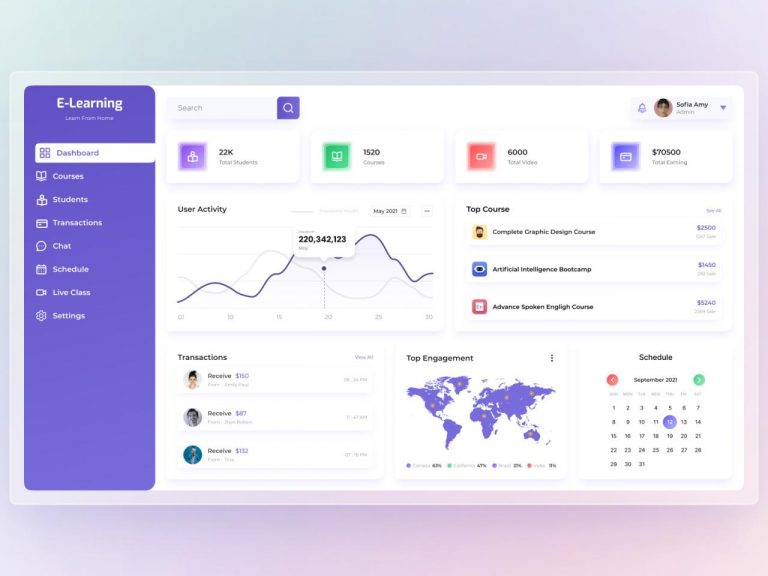
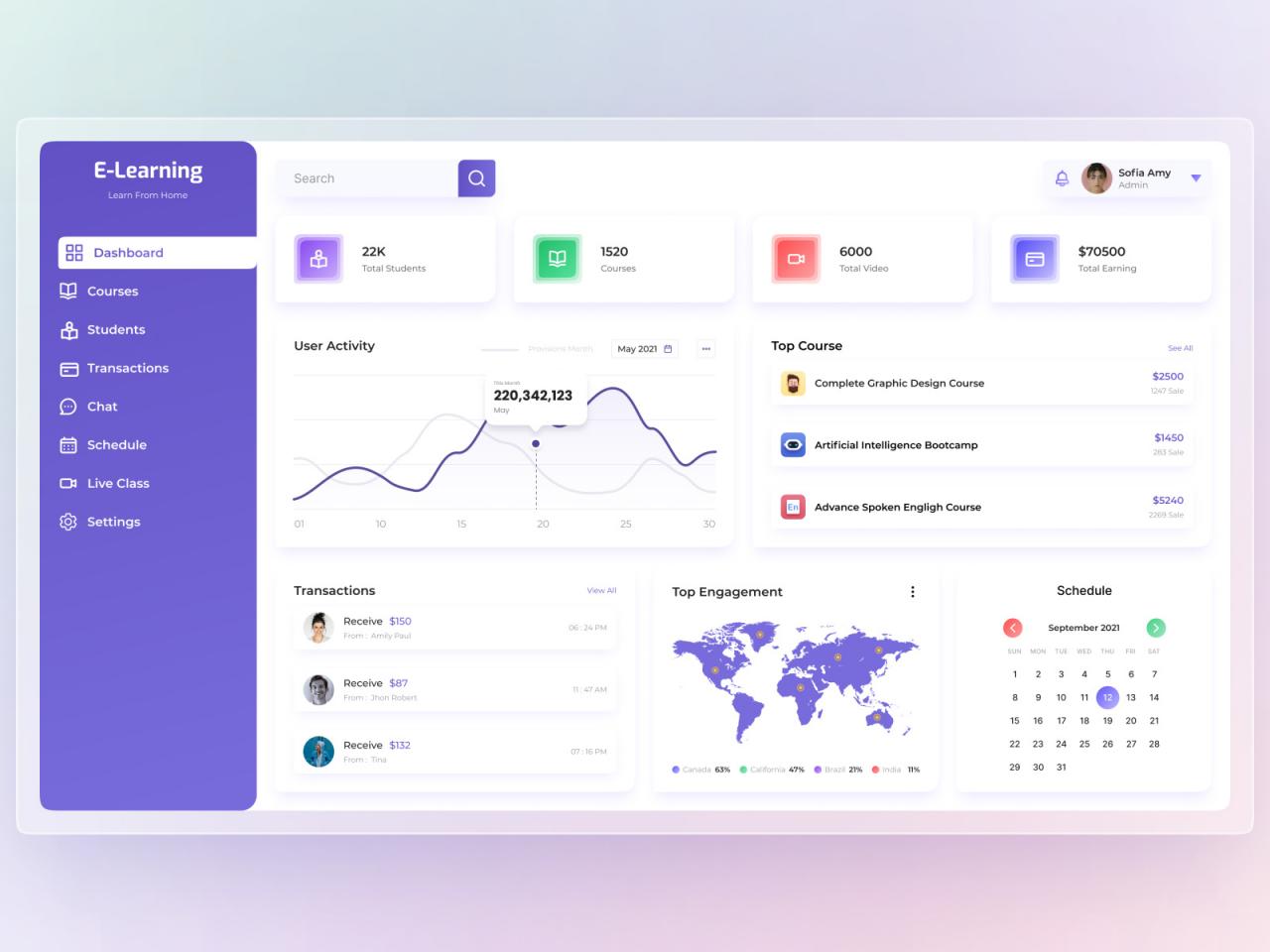
E-learning Platform Dashboard by Awe Graphics on Dribbble

A dashboard learning platform serves as a centralized interface that aggregates various educational resources, data, and tools into one accessible location. This innovative approach to learning streamlines the educational experience, making it easier for learners and educators to track progress, manage content, and engage with materials. At its core, a dashboard learning platform is designed to enhance the teaching and learning process by providing a visual representation of important metrics and resources.The benefits of using a dashboard learning platform in education and training are multifaceted.

These platforms allow for personalized learning experiences, enabling users to tailor their educational journeys based on individual needs and preferences. Additionally, educators can utilize data analytics to monitor student performance in real-time, facilitating timely interventions and support. The integration of various learning tools—such as quizzes, discussions, and multimedia content—further enriches the educational experience.

Features of Dashboard Learning Platforms

Dashboard learning platforms typically come equipped with a range of features that enhance user engagement and learning outcomes. Understanding these features can help stakeholders choose the right platform for their needs.

  • Data Visualization: The ability to display performance metrics, engagement levels, and learning progress through intuitive graphs and charts is a hallmark of dashboard learning platforms. This visual aspect helps users quickly grasp their current standing and areas needing improvement.
  • Personalized Learning Paths: Many platforms offer customized pathways for learners, allowing them to advance through courses at their own pace based on their skill level and interests.
  • Collaboration Tools: Features such as discussion boards, group projects, and peer review systems foster collaboration among students, enhancing the learning experience through shared knowledge and diverse perspectives.
  • Integration with Other Tools: Dashboard platforms often integrate with third-party applications, such as video conferencing tools and content management systems, providing a seamless learning ecosystem.
  • Mobile Accessibility: The ability to access learning materials and dashboards via smartphones and tablets ensures that education is not confined to traditional settings, making learning more flexible.

Popular Dashboard Learning Platforms

Several dashboard learning platforms have gained popularity due to their effectiveness in enhancing educational experiences. Here are some notable examples:

  • Moodle: An open-source learning management system that offers a customizable dashboard for institutions, allowing educators to create tailored courses and track student performance.
  • Google Classroom: A free service that provides a streamlined dashboard for teachers and students, facilitating assignment management, feedback, and collaboration.
  • Canvas: A cloud-based learning management system known for its user-friendly interface and robust analytics capabilities, offering educators insights into student progress and engagement.
  • Blackboard: A comprehensive educational platform that combines learning management with analytics, providing a rich dashboard experience for higher education institutions.
  • Edmodo: A social learning platform that allows teachers to create a classroom dashboard that fosters communication, resource sharing, and collaboration among students.

Key Components of Dashboard Learning Platforms

Effective dashboard learning platforms serve as the hub for educational insights, providing users with the tools they need to track their progress and enhance their learning experiences. A well-designed platform integrates various key components that not only drive engagement but also facilitate a seamless educational journey.

Essential Features of an Effective Dashboard Learning Platform

A robust dashboard learning platform integrates several essential features that enhance the learning experience. These features ensure that learners can access information efficiently and engage meaningfully with the content. Key features include:

  • User Authentication: Secure login systems protect users’ data while allowing personalized experiences.
  • Customizable Dashboards: Users can arrange their learning tools and resources according to their preferences, which promotes a sense of ownership over their education.
  • Content Management System: This feature allows educators to easily upload, organize, and update course materials, ensuring learners have access to the latest information.
  • Interactive Elements: Quizzes, discussion boards, and multimedia content help to engage learners actively, catering to different learning styles.

User Interface and User Experience in Dashboard Learning Platforms

The role of user interface (UI) and user experience (UX) cannot be overstated in the design of dashboard learning platforms. A user-friendly interface enhances accessibility and encourages user engagement, while a solid UX ensures that learners can navigate the platform with ease. The design should prioritize intuitive navigation, clear labeling, and an aesthetically pleasing layout. For instance, color-coded sections facilitate quick access to different areas, while responsive design allows for seamless use across devices, such as smartphones, tablets, and computers.

Effective UI and UX design are critical for maximizing user engagement and satisfaction in learning platforms.

Importance of Analytics and Reporting Functionalities

Analytics and reporting functionalities are crucial components that empower both learners and educators. They enable the tracking of progress, identification of areas needing improvement, and overall assessment of course effectiveness. These functionalities might include:

  • Performance Tracking: Learners can monitor their progress over time, helping them remain motivated and take proactive steps in their learning journey.
  • Data Visualization: Graphs and charts provide at-a-glance insights into performance trends, making it easier for users to identify strengths and weaknesses.
  • Custom Reports: Educators can generate detailed reports to assess class performance, providing insights that inform instructional strategies.

Incorporating advanced analytics, such as predictive analytics, allows for the anticipation of learner needs and tailoring of educational experiences accordingly. Real-life applications of these technologies can be seen in platforms that utilize machine learning algorithms to suggest personalized learning paths based on user behavior and performance data.

Implementation Strategies for Dashboard Learning Platforms

Integrating a dashboard learning platform into an existing curriculum requires careful planning and execution. By following structured procedures, educators can enhance their teaching methodologies and students can achieve greater learning outcomes. This content Artikels the strategies necessary for effective integration, training, and a timeline for implementation.

Step-by-Step Procedures for Integration

Implementing a dashboard learning platform involves several key steps to ensure a smooth transition. The following procedures can facilitate the integration into the existing curriculum:

  1. Assessment of Needs: Evaluate the current curriculum to identify areas where the dashboard can enhance learning experiences.
  2. Selection of Platform: Research and select a dashboard learning platform that aligns with educational goals and technical requirements.
  3. Infrastructure Setup: Ensure the necessary technical infrastructure is in place, including internet connectivity and compatible devices for both educators and students.
  4. Content Migration: Transfer existing course materials to the new platform, ensuring that all resources are accessible and well-organized.
  5. Integration with Curriculum: Seamlessly incorporate the platform into the curriculum, aligning learning objectives with the dashboard’s capabilities.
  6. Pilot Testing: Conduct a pilot test with a small group of educators and students to gather feedback and make necessary adjustments.
  7. Full Implementation: Roll out the platform across all classes, providing ongoing support to address any issues that arise.

Training Best Practices for Educators and Learners

Effective training is essential for both educators and students to maximize the benefits of the dashboard learning platform. The following best practices should be considered:

“Comprehensive training fosters confidence and competence in utilizing technology for educational purposes.”

Training sessions should be thorough and engaging, covering the following aspects:

  • Hands-On Workshops: Organize interactive workshops that allow educators to explore the platform’s features and functionalities firsthand.
  • Resource Development: Create user-friendly manuals and quick reference guides tailored for both educators and learners to facilitate ongoing learning.
  • Peer Support Networks: Establish support groups where educators can share experiences, troubleshoot issues, and exchange tips on using the dashboard effectively.
  • Ongoing Training Opportunities: Provide opportunities for continuous professional development to keep educators updated on new features and best practices.

Implementation Timeline and Key Milestones

A structured timeline can help ensure that the implementation process remains organized and on track. The following milestones Artikel a typical timeline for the integration of a dashboard learning platform:

Phase Timeline Key Activities
Planning Month 1 Conduct needs assessment and select the platform.
Setup Month 2 Establish technical infrastructure and migrate content.
Pilot Testing Month 3 Run a pilot with selected classes for feedback.
Full Implementation Months 4-5 Launch the platform for all classes and provide training.
Evaluation Month 6 Gather feedback and assess the effectiveness of the platform.

Customization and Personalization Features

In today’s diverse learning environment, the ability to customize and personalize dashboard learning platforms is crucial. These features help cater to various learning styles, preferences, and individual needs, ensuring that every learner can engage effectively with the material. By tailoring the learning experience, platforms not only enhance user satisfaction but also improve educational outcomes.Customization features within dashboard learning platforms allow educators and learners to modify the interface and content according to their preferences.

This can involve adjusting the layout, selecting preferred themes, or even rearranging widgets to display the most relevant information. These modifications enable users to create a workspace that feels intuitive and comfortable, ultimately promoting a more engaging learning experience.

Methods for Customization

Implementing effective customization methods involves several strategies that can significantly enhance the learning experience. Here are some key aspects to consider:

  • Adaptive Learning Paths: These paths adjust content delivery based on the learner’s progress and performance. For instance, platforms like Khan Academy use algorithms to suggest resources tailored to individual learning speeds and styles.
  • Flexible Dashboard Layouts: Users can often drag and drop elements, resize panels, and choose what information to display prominently. For example, platforms like Google Classroom allow teachers to prioritize assignments and announcements based on urgency or relevance.
  • Theming Options: Learners can select color schemes and font sizes that best suit their visual preferences, which is especially beneficial for those with visual impairments. Platforms like Edmodo enable users to choose themes that create a more personalized and welcoming environment.
  • User-Defined Notifications: Customizable notification settings help learners receive alerts that matter to them, such as reminders for deadlines or updates on course activities. This personalization keeps users engaged and informed without overwhelming them.

Enhancing User Engagement Through Personalization

Personalization features are designed to enhance user engagement by tailoring the learning experience to individual needs. By implementing these features, platforms can foster a sense of ownership and motivation among learners.

  • Personal Learning Goals: Allowing learners to set and track their own goals can significantly enhance motivation and commitment. For instance, platforms like Coursera provide personalized recommendations based on users’ interests and past course completions.
  • Feedback Mechanisms: Personalized feedback based on performance helps learners understand their strengths and areas for improvement. Systems like Duolingo offer individualized feedback, guiding users through tailored exercises to reinforce their learning.
  • Peer Connections: Engaging learners through customizable peer interaction features can enhance collaboration. Many platforms, such as Slack or Microsoft Teams, facilitate networking among users with similar learning goals, creating a support system that fosters teamwork and community.
  • Content Recommendations: Machine learning algorithms can analyze user behavior to suggest relevant courses or materials. Platforms like LinkedIn Learning provide recommendations based on users’ skills and career aspirations, ensuring that the content remains relevant and engaging.

Customizable Elements in Popular Platforms

Various dashboard learning platforms offer a range of customizable elements that cater to personalized learning experiences. Here are notable examples:

  • Canvas LMS: Users can customize course navigation options, allowing them to prioritize the most important resources. Canvas also supports personalized course shells, enabling instructors to tailor content for specific learner groups.
  • Moodle: This open-source platform allows extensive customization, from branding options to the arrangement of course blocks. Instructors can create personalized learning pathways and integrate various plugins that enhance user experience.
  • Blackboard: Offers customizable dashboards where users can choose which tools and information to display. This flexibility promotes a tailored learning experience that meets the needs of diverse users.
  • Google Classroom: Facilitates customization of class materials and resources, allowing teachers to organize content in a way that best suits their teaching style and learner preferences.

Evaluating the Effectiveness of Dashboard Learning Platforms

Evaluating the effectiveness of dashboard learning platforms is essential to ensure they meet educational objectives and enhance learner engagement. By assessing performance through various metrics and indicators, we can gain insights into how well these platforms facilitate learning and improve user experience. This evaluation not only highlights areas for improvement but also informs decisions on future investments in technology and pedagogy.

Metrics and Indicators for Performance Assessment

To effectively evaluate the performance of dashboard learning platforms, specific metrics and indicators are crucial. These help stakeholders understand user engagement, learning outcomes, and overall platform effectiveness. The following metrics are often considered:

  • User Engagement Metrics: Metrics such as login frequency, time spent on the platform, and course completion rates provide insights into how actively users are interacting with the content.
  • Learning Outcomes: Pre-and post-assessment scores can reveal the knowledge gained by learners. Tracking skill acquisition or competency development through assessments is valuable.
  • Feedback and Satisfaction Scores: Collecting feedback through surveys or rating systems helps gauge user satisfaction and areas for improvement. High satisfaction scores often correlate with better learning outcomes.
  • Retention Rates: Monitoring the percentage of users who continue to engage with the platform over time is a strong indicator of its effectiveness and value to learners.
  • Cost-Effectiveness: Evaluating the cost per learner who achieves specific learning outcomes helps in determining whether the platform provides good value for money.

Evaluation Methods for Measuring Learner Outcomes

Different evaluation methods can be applied to measure learner outcomes and platform effectiveness. These methods may include qualitative and quantitative approaches, providing a comprehensive understanding of learning impact.

  • Surveys and Questionnaires: Gathering direct feedback from learners through structured surveys helps assess their perceptions of the platform and its effectiveness.
  • Data Analytics: Utilizing analytics tools to track learner behavior and performance can provide quantitative insights into user engagement and the effectiveness of specific features.
  • Case Studies: In-depth examinations of specific groups or courses can reveal detailed insights about the platform’s impact on learning within different contexts.
  • Comparative Studies: Comparing outcomes of learners using the platform versus those in traditional learning environments can highlight the relative effectiveness of the dashboard.

Challenges in Evaluating Dashboard Learning Platforms

Several challenges can arise when evaluating dashboard learning platforms, which may affect the accuracy and reliability of the assessment results. Addressing these challenges is crucial for effective evaluations.

  • Data Privacy Concerns: Ensuring the protection of user data while collecting metrics can be challenging. Implementing robust data protection policies and anonymizing user data can mitigate these issues.
  • Inconsistent Data Quality: Variations in data collection methods can lead to inconsistencies. Standardizing data collection processes across different platforms helps maintain data integrity.
  • Limited User Feedback: Low participation in surveys or feedback mechanisms can hinder accurate assessments. Encouraging user participation through incentives may enhance feedback rates.
  • Measuring Soft Skills: Quantifying improvements in soft skills such as collaboration or critical thinking can be difficult. Incorporating qualitative assessments, peer reviews, or reflective journals can provide a richer evaluation.

Future Trends in Dashboard Learning Platforms

As dashboard learning platforms evolve, the integration of emerging technologies is set to redefine the educational landscape. The focus on creating more immersive and efficient learning experiences is becoming increasingly prominent. This section explores the anticipated trends that will shape the future of these platforms, including technological advancements, evolving user engagement strategies, and the impact of artificial intelligence.

Impact of Emerging Technologies

The development of dashboard learning platforms is heavily influenced by emerging technologies such as virtual reality (VR), augmented reality (AR), and the Internet of Things (IoT). These technologies provide innovative ways for users to interact with learning materials. For instance, VR can create fully immersive learning environments, enabling simulations that enhance understanding of complex subjects. AR can overlay digital information on physical surroundings, making learning more interactive and engaging.

  • Virtual Reality (VR): By utilizing VR, learners can participate in realistic scenarios, such as historical events or scientific experiments, fostering a deeper understanding of the subject matter.
  • Augmented Reality (AR): AR technology can bring static content to life, allowing students to visualize concepts in real-time through their devices, enhancing retention rates.
  • Internet of Things (IoT): IoT enables the integration of smart devices that can collect data on student engagement and performance, providing insights for personalized learning experiences.

Evolving User Engagement Strategies

With the rise of gamification and personalized learning paths, user engagement strategies within dashboard learning platforms are evolving. Engaging users through interactive elements and tailored content is essential for maintaining interest and promoting active learning.

  • Gamification: Integrating game-like elements such as points, badges, and leaderboards motivates learners by making the educational process more enjoyable.
  • Personalized Learning Experiences: Using analytics and feedback, dashboard platforms can adjust content according to individual learning styles and progress, enhancing user satisfaction and outcomes.
  • Social Learning Features: Collaborative tools and forums foster a sense of community, encouraging learners to share knowledge and support one another.

Artificial Intelligence Enhancements

Artificial intelligence (AI) has significant potential to enhance learning experiences on dashboard platforms by providing adaptive learning solutions, automating administrative tasks, and offering real-time feedback. AI can analyze learner behavior and adapt content to meet their needs.

  • Adaptive Learning: AI algorithms can track student performance and customize the learning path, ensuring that each user receives personalized content suited to their pace and understanding.
  • Automated Feedback: AI can provide immediate feedback on quizzes and assignments, allowing learners to understand their mistakes and improve rapidly.
  • Predictive Analytics: By analyzing patterns in learner data, AI can identify at-risk students and suggest interventions to enhance their educational experience.

“The future of dashboard learning platforms lies in their ability to leverage emerging technologies and AI, creating dynamic and personalized educational experiences.”

Case Studies of Successful Dashboard Learning Platforms

The rise of dashboard learning platforms has reshaped how organizations manage and deliver training and education. These platforms provide a centralized interface for learners and educators, making it easier to track progress, access resources, and engage with the content. This section explores several case studies illustrating successful implementations of dashboard learning platforms across various sectors, highlighting the challenges encountered and the strategies employed to overcome them.

Case Study: TechCorp’s Employee Training Dashboard

TechCorp, a leading technology firm, implemented a dashboard learning platform to enhance its employee training programs. The primary goal was to create a streamlined process for onboarding new employees and upskilling existing staff. The challenges faced included resistance to change among employees and difficulties integrating the dashboard with existing HR systems. To address these issues, TechCorp conducted extensive training sessions and provided continuous support to users.

By incorporating feedback from employees during the rollout, they gradually increased user adoption rates.

Case Study: HealthCare Plus Patient Education Platform

HealthCare Plus utilized a dashboard learning platform to improve patient education and engagement in managing chronic conditions. The platform allowed healthcare providers to monitor patient progress and deliver personalized content.Challenges included ensuring user-friendly navigation for patients and integrating diverse educational resources. HealthCare Plus overcame these hurdles by collaborating with a user experience designer to enhance usability and curating a library of resources relevant to patient needs.

Case Study: University of Knowledge Learning Management System

The University of Knowledge adopted a dashboard learning platform to facilitate online learning for its diverse student population. The primary focus was on improving student engagement and academic performance.Initial challenges were related to technical issues, such as platform stability and data integration. The university worked closely with the platform vendor to resolve these issues and conducted regular workshops for faculty to maximize the platform’s potential.

This proactive approach led to a significant increase in course completion rates.

Comparative Analysis of Case Studies

The following table summarizes the outcomes and success metrics from the previously discussed case studies, providing a clear comparison of their achievements and challenges faced.

Organization Primary Goal Challenges Faced Solutions Implemented Success Metrics
TechCorp Enhance employee training Resistance to change, integration issues Training sessions, user feedback incorporation Increased onboarding efficiency by 40%
HealthCare Plus Improve patient education User navigation challenges, resource integration UX design collaboration, curated resources Enhanced patient engagement scores by 30%
University of Knowledge Facilitate online learning Technical issues, faculty adaptation Vendor collaboration, faculty workshops Course completion rates increased by 25%

Successful implementation of dashboard learning platforms relies on understanding user needs and addressing challenges through collaboration and support.

Last Recap

In summary, dashboard learning platforms are not just tools but transformative resources that can significantly improve learning outcomes. As technology continues to evolve, so too will these platforms, promising even more engaging and personalized educational experiences in the future.

Expert Answers

What is a dashboard learning platform?

A dashboard learning platform is a centralized interface that integrates various educational tools and resources for improved learning experiences.

How does a dashboard learning platform benefit educators?

It offers streamlined access to analytics, user engagement tools, and customizable features that enhance teaching effectiveness.

Can dashboard learning platforms be integrated into existing systems?

Yes, they can often be integrated into current curricula with proper planning and implementation strategies.

What are some common challenges when using these platforms?

Challenges may include user adoption, technical issues, and ensuring effective training for both educators and learners.

Are dashboard learning platforms suitable for all types of learners?

Yes, they can be customized to meet diverse learning needs and preferences, making them versatile for various educational contexts.

Online learning platforms usa set the stage for an enthralling narrative that explores the dynamic evolution of education in the digital age. As technology continues to reshape our lives, these platforms have emerged as vital tools, providing flexible and accessible learning opportunities for a diverse range of learners. With unique features and functionalities, they are redefining how knowledge is imparted and acquired, making education more inclusive than ever before.

From their early beginnings to their current significance in contemporary society, online learning platforms have transformed traditional learning paradigms. They offer a plethora of courses across various disciplines, catering to different learning styles and needs, while also addressing challenges such as accessibility and student engagement. Understanding the landscape of these platforms is essential for anyone looking to navigate the future of education.

Overview of Online Learning Platforms in the USA

The landscape of online learning platforms in the USA has undergone a remarkable transformation over the last two decades. Initially marked by the rise of distance education through correspondence courses, the online education sector has evolved rapidly with advancements in technology, leading to diverse and sophisticated learning platforms that cater to various educational needs and preferences.The significance of online education in contemporary society is profound, especially in light of recent global events that have accelerated the demand for flexible and accessible learning options.

Online learning platforms provide students with opportunities to acquire knowledge and skills from the comfort of their homes, thereby breaking geographical barriers and democratizing education. This shift has empowered millions, allowing for continuous learning and professional development in an increasingly competitive job market.

Characteristics of Effective Online Learning Platforms

Effective online learning platforms share several key characteristics that enhance the learning experience and promote engagement among users. These features are critical in ensuring that learners achieve their educational goals while enjoying a seamless and interactive journey.

  • User-Friendly Interface: A clean, intuitive design ensures that learners can navigate the platform easily, reducing frustration and increasing engagement.
  • Interactive Content: Incorporating multimedia elements such as videos, quizzes, and interactive simulations fosters a more engaging learning environment.
  • Personalized Learning Paths: Allowing learners to customize their educational journeys according to their interests and pace enhances motivation and retention of information.
  • Robust Support Systems: Access to technical support and academic assistance is vital for addressing learners’ needs and maintaining satisfaction.
  • Mobile Compatibility: With the increasing use of smartphones and tablets, platforms must be optimized for mobile access, enabling learners to study anytime and anywhere.
  • Data-Driven Insights: Tracking learner progress and providing feedback helps in identifying strengths and areas for improvement, fostering a culture of continuous learning.

The combination of these characteristics not only improves the overall educational experience but also ensures that online learning platforms effectively meet the evolving needs of learners in the USA.

Popular Online Learning Platforms in the USA

The landscape of online learning in the United States has expanded dramatically, offering a diverse range of platforms aimed at catering to various educational needs. These platforms provide unique features that enhance the learning experience, making education more accessible and flexible. Below, we explore some of the most widely used online learning platforms, highlighting their distinct offerings.

Widely Used Online Learning Platforms

Several platforms have emerged as leaders in the online education space, each boasting unique strengths. Here’s a look at some of the most popular ones:

  • Coursera: Known for its partnerships with top universities, Coursera offers courses from institutions like Stanford and Yale, covering a wide range of subjects. Their unique feature is the ability to earn accredited certificates and degrees from esteemed universities.
  • Udemy: Udemy stands out for its vast library of courses created by independent instructors. This platform covers everything from professional skills to hobby-related topics, allowing for a diverse learning experience. Its unique selling point is the ability for users to create and sell their own courses.
  • Khan Academy: A non-profit educational platform, Khan Academy focuses on K-12 education with resources that are completely free. It offers a personalized learning dashboard that helps students learn at their own pace, making it ideal for younger learners.
  • edX: Founded by Harvard and MIT, edX provides high-quality courses from elite universities. Its standout feature is the MicroMasters program, allowing learners to earn university credit for their courses.
  • Skillshare: Emphasizing creative skills, Skillshare offers thousands of classes in areas such as design, photography, and entrepreneurship. Its unique community-driven approach encourages project-based learning.

User Interface and Experience Comparison

When selecting an online learning platform, user interface (UI) and user experience (UX) play crucial roles in the learning process. Here’s a comparison of the UI/UX of the platforms mentioned:

  • Coursera: The platform offers a clean, modern interface that is easy to navigate. Users appreciate the structured layout of courses, with clear modules and timelines.
  • Udemy: With a user-friendly dashboard, Udemy allows users to easily browse and manage their courses. However, some users find the sheer volume of courses overwhelming.
  • Khan Academy: Its intuitive design is tailored for younger audiences, featuring interactive elements that engage students. The progress tracking feature is particularly useful for both students and parents.
  • edX: edX features a professional design, reminiscent of a traditional classroom setting. However, some users have reported that the interface can be less intuitive compared to other platforms.
  • Skillshare: Skillshare’s immersive design focuses on visual appeal, encouraging creativity. Users enjoy the project showcase feature, which fosters a sense of community.

Strengths and Weaknesses of Top Platforms

Each online learning platform has its own set of strengths and weaknesses that influence user choice. Below is an overview:

Platform Strengths Weaknesses
Coursera Accredited courses, partnerships with top universities, flexible learning paths. Higher cost for certificates and degrees, may not cater to casual learners.
Udemy Diverse course offerings, affordability, and user-generated content. Inconsistent course quality, potential for outdated content.
Khan Academy Free access, well-structured K-12 content, personalized learning. Limited offerings for higher education and specialized subjects.
edX High-quality courses, MicroMasters programs, university credibility. Limited free content, financial constraints for full programs.
Skillshare Creative focus, project-based learning, strong community. Subscription model may not be ideal for occasional users.

“The right online learning platform can significantly enhance the educational experience by providing tailored content and user-friendly navigation.”

Types of Courses Offered

10 Best Online Learning Platforms (Updated List of 2023)

Online learning platforms in the USA have revolutionized education by making a broad range of courses accessible to learners from various backgrounds. These platforms cater to a diverse audience, offering everything from academic subjects to professional development, enabling individuals to pursue their interests at their own pace. The flexibility and variety of online courses make them a popular choice for learners looking to enhance their skills or explore new fields.The courses available on these platforms span numerous categories, appealing to different interests and career goals.

Popular subjects include technology, business, healthcare, arts, and personal development. Each category often contains specialized courses tailored to meet the needs of specific learners, making education more relevant and practical.

Categories of Courses

There are several key categories that dominate online learning platforms in the USA. Understanding these categories helps learners identify the right courses aligned with their interests and career aspirations.

  • Technology: Covering programming, data science, cybersecurity, and web development, technology courses are designed to equip learners with the skills necessary to thrive in the digital age. Many platforms partner with tech companies to offer up-to-date content that reflects industry trends.
  • Business: Courses in business often include entrepreneurship, marketing, finance, and project management. These courses are tailored for both aspiring business owners and professionals seeking to advance their careers.
  • Healthcare: With an increasing demand for healthcare professionals, courses in nursing, health informatics, and mental health awareness have gained popularity. Many of these courses are designed to meet certification requirements or enhance practical skills.
  • Arts and Humanities: Offering subjects like graphic design, music production, writing, and philosophy, this category appeals to creatives looking to develop their craft or explore new artistic avenues.
  • Personal Development: Courses focusing on skills such as time management, public speaking, and mindfulness promote personal growth and self-improvement, making it easier for individuals to enhance their everyday lives.

The diversity of courses reflects the platforms’ commitment to catering to varied learning needs and preferences. Whether learners prefer hands-on projects, video lectures, or interactive quizzes, these platforms offer a range of formats to suit different learning styles.

“Education is the most powerful weapon which you can use to change the world.”

Nelson Mandela

Accessibility and Inclusivity

Online learning platforms are increasingly committed to ensuring accessibility for all students, recognizing that education should be available to everyone, regardless of their abilities. These platforms adopt various strategies to remove barriers that might hinder the learning experience for individuals with disabilities. By prioritizing accessibility, they not only comply with legal standards but also foster a more inclusive educational environment that benefits all learners.The importance of inclusivity in online education cannot be overstated.

It promotes equal opportunities for all students, allowing everyone to engage with course materials, participate in discussions, and demonstrate their understanding of the subject matter. An inclusive approach also enriches the learning experience by incorporating diverse perspectives and experiences. Ensuring accessibility and inclusivity enhances student retention and satisfaction by making learning resources usable and engaging for all.

Features Enhancing Accessibility

A variety of features and tools are implemented within online learning platforms to enhance accessibility for learners with disabilities. These features are designed to accommodate different needs and create a supportive learning environment. Some key examples include:

  • Screen Readers: These tools convert text to speech, allowing visually impaired students to access written course materials. Platforms often ensure compatibility with popular screen reader software, making content easier to navigate.
  • Captioning and Transcription: Video lessons typically include captions and transcripts, which provide access to auditory content for deaf or hard-of-hearing students. This feature allows them to follow along with lectures and discussions effectively.
  • Adjustable Text Size and Background Colors: Many platforms offer customizable options for text size and background color schemes, enabling students with visual impairments or learning disabilities to tailor their viewing experience.
  • Keyboard Navigation: The ability to access all course features without a mouse is crucial for students with motor impairments. Platforms that support full keyboard navigation ensure that all users can interact with content seamlessly.
  • Alternative Formats: Offering materials in multiple formats, such as audio, video, and text, caters to various learning preferences and accessibility needs, ensuring that all students can choose their preferred method of engagement.

These features are pivotal in creating an inclusive learning environment, where all students can thrive and achieve their educational goals without unnecessary obstacles.

Technology and Tools Used in Online Learning

The landscape of online learning has rapidly evolved, largely due to advancements in technology and the tools that support virtual education. These innovations not only facilitate the delivery of content but also enhance the overall learning experience for students and educators alike. By examining the various technologies employed in online learning platforms, one can appreciate how they contribute to a more interactive and effective educational environment.

Learning Management Systems (LMS) and Video Conferencing Tools

Learning Management Systems (LMS) are central to online education, providing a structured environment where educators can create, manage, and deliver course content. They allow for the integration of various learning resources including quizzes, assignments, and forums. Popular LMS platforms such as Moodle, Canvas, and Blackboard have equipped instructors with tools to track student progress and engagement effectively.Video conferencing tools like Zoom, Microsoft Teams, and Google Meet have become indispensable in the realm of online learning.

These platforms facilitate real-time communication, enabling instructors to conduct live classes, hold discussions, and offer immediate feedback. Such tools simulate a traditional classroom atmosphere, fostering interaction and collaboration among students.

Mobile Applications Enhancing Learning Experiences

Mobile applications have significantly enhanced the flexibility and accessibility of online learning. With an increasing number of learners using smartphones and tablets, educational platforms have developed dedicated apps to support learning on-the-go. These applications provide features such as push notifications for assignments, access to learning materials, and interactive elements like quizzes and forums.The convenience of mobile learning allows students to engage with their studies anytime and anywhere, making education more adaptable to their lifestyles.

For instance, apps like Duolingo and Khan Academy offer bite-sized lessons that can easily fit into daily routines, promoting continuous learning without the constraints of traditional formats.

Trends Shaping the Future of Online Education

The future of online education is being shaped by several emerging trends that leverage technology for enhanced learning experiences. One key trend is the rise of artificial intelligence (AI) in personalized learning. AI can analyze individual learning patterns and recommend resources tailored to each student’s needs, thus promoting a more customized educational experience.Another significant trend is the integration of virtual and augmented reality (VR/AR) in online learning.

These technologies create immersive learning experiences that can transform complex subjects into engaging, interactive simulations. For example, medical students can practice surgical procedures in a risk-free virtual environment, enhancing their skills without real-world consequences.Lastly, the increasing focus on data analytics in education is enabling educators to make informed decisions based on student performance metrics. By analyzing data collected through LMS and other platforms, instructors can identify areas where students struggle and adjust their teaching strategies accordingly, ultimately leading to improved outcomes.

Learning Outcomes and Student Engagement

In the realm of online education, measuring learning outcomes and ensuring student engagement are critical components for success. As educators and institutions shift towards digital platforms, it becomes essential to implement effective strategies that not only assess student performance but also foster a vibrant and interactive learning environment. A focus on these aspects can lead to heightened educational experiences and improved knowledge retention among learners.Measuring learning outcomes in online education involves a variety of methods that help instructors and institutions understand how well students are grasping course content.

Various approaches can be employed to quantify learning progress, including formative and summative assessments. Formative assessments often include quizzes, interactive discussions, and peer evaluations, allowing real-time feedback. Summative assessments, such as final exams or project submissions, provide a comprehensive overview of a student’s understanding at the end of a course.

Methods for Measuring Learning Outcomes

Understanding how to effectively measure learning outcomes is vital for evaluating the success of online courses. The following methods serve to highlight students’ comprehension and progression throughout their learning journey:

  • Quizzes and Tests: Regular quizzes not only gauge understanding but also reinforce learning through repetition. They can be automated to provide immediate feedback.
  • Assignments and Projects: These allow students to apply their knowledge in practical scenarios, showcasing their ability to synthesize and analyze information.
  • Participation Metrics: Tracking student participation in discussion forums and live sessions can highlight engagement levels and areas needing improvement.
  • Self-Assessment: Encouraging students to evaluate their own understanding can promote self-directed learning and accountability.
  • Learning Analytics: Utilizing data analytics tools to track engagement and performance trends can provide insights into student learning behaviors.

Engaging students in an online setting can be more challenging than in traditional classrooms, leading many platforms to adopt innovative strategies to enhance student interaction and motivation. Engagement techniques vary widely and can significantly impact the learning experience.

Strategies for Boosting Student Engagement

To create a more engaging online learning environment, platforms utilize a range of strategies designed to capture and maintain student interest. Effective engagement strategies can include:

  • Gamification: Incorporating game-like elements into the learning process, such as leaderboards and badges, can motivate students and make learning fun.
  • Interactive Content: Videos, simulations, and quizzes can create a more dynamic learning experience, encouraging active participation.
  • Peer Collaboration: Facilitating group projects or study groups fosters teamwork and can lead to deeper understanding through shared knowledge.
  • Regular Feedback: Timely feedback from instructors helps students understand their progress and areas for improvement, promoting continuous learning.
  • Personalization: Tailoring courses to meet individual student needs can enhance motivation and engagement, ensuring that learners feel valued.

Insights into the effectiveness of various engagement techniques indicate that a blended approach, combining multiple strategies, often yields the best results. For example, platforms that integrate gamification with personalized learning paths tend to see higher retention rates and improved performance metrics.

“Engagement strategies that resonate with students can transform the learning experience, leading to better outcomes and a more enjoyable educational journey.”

By focusing on these methods for measuring learning outcomes and enhancing student engagement, online education platforms can create a more effective and rewarding experience for all learners. The ongoing analysis of these strategies will continue to inform best practices in the evolving landscape of online education.

Challenges Faced by Online Learning Platforms

Online learning platforms have revolutionized education by making it accessible and flexible for learners worldwide. However, as they gain popularity, these platforms encounter various challenges that can hinder efficiency and user satisfaction. Addressing these issues is crucial for the continued success and effectiveness of online education.One significant challenge faced by online learning platforms is maintaining user engagement. Without the traditional classroom environment, learners may struggle to stay focused and motivated.

This can lead to high dropout rates and low course completion numbers. To combat this, platforms can incorporate interactive elements such as quizzes, gamification, and live discussions to keep students interested. For example, platforms like Coursera and Udemy utilize video content complemented by interactive assignments to enhance engagement.

Technical Issues

Technical difficulties can pose a major barrier for both learners and instructors on online platforms. Issues such as software glitches, connectivity problems, and outdated technology can disrupt the learning experience. To mitigate these challenges, platforms should invest in robust infrastructure and offer comprehensive technical support. Regular updates and maintenance of the platform can ensure smooth operation. A case in point is LinkedIn Learning, which consistently updates its technology to provide a seamless user experience, thus minimizing disruptions.

Assessment and Feedback

Another common challenge is the assessment of student performance. Traditional testing methods may not translate well to online formats, leading to concerns about academic integrity and the accuracy of evaluations. To overcome this, platforms should explore innovative assessment methodologies, such as open-book exams, peer assessments, and project-based evaluations. For instance, edX employs proctored exams and various assessment types to maintain academic rigor while ensuring fairness in evaluations.

Accessibility and Inclusivity

Accessibility remains a crucial issue, as not all learners have equal access to technology or the internet. This digital divide can marginalize certain groups from fully engaging in online education. Solutions include offering offline access to course materials, providing financial aid for low-income learners, and ensuring that platforms are compliant with accessibility standards. An example is Khan Academy, which offers downloadable resources to help those with limited internet access continue learning.

Retention of Instructors

Finally, retaining qualified instructors can be challenging for online learning platforms, especially when competing for talent with traditional educational institutions. Providing competitive compensation, professional development opportunities, and a supportive work environment can help attract and retain high-quality educators. For example, platforms like Skillshare focus on building a community for instructors, offering them resources and support to thrive within the platform.

Addressing these challenges is essential for the long-term viability of online learning platforms. By implementing effective strategies and leveraging technology, platforms can enhance the learning experience and foster a vibrant educational ecosystem.

Future Trends in Online Learning

As we move further into the digital age, online learning platforms in the USA are poised for significant evolution. These advancements are driven not only by technological innovations but also by the changing needs and preferences of learners. The future of online education will likely reflect a blend of personalized experiences, immersive technologies, and increased accessibility. Emerging technologies are set to reshape the landscape of online education, paving the way for enhanced learning experiences.

The adoption of artificial intelligence (AI), virtual reality (VR), and augmented reality (AR) is expected to transform how educational content is delivered and consumed.

Impact of Emerging Technologies

The integration of new technologies into online learning platforms signifies a major shift in instructional methods and learner engagement. Here are some technologies likely to have a profound impact:

  • Artificial Intelligence (AI): AI can analyze learner behavior and preferences, allowing for personalized learning paths. For example, platforms like Coursera have started using AI to recommend courses tailored to individual user interests and past performance.
  • Virtual Reality (VR): VR provides immersive learning experiences, making complex subjects more tangible. Institutions like Stanford University have utilized VR in medical training, enabling students to practice surgeries in a risk-free environment.
  • Augmented Reality (AR): AR can enhance engagement by overlaying digital information onto real-world environments. Companies like Google have explored AR in educational apps that help learners visualize concepts, such as anatomy or physics, by interacting with 3D models.
  • Blockchain Technology: This technology enhances the security and verification of academic credentials. Educational institutions are beginning to use blockchain for secure record-keeping, making it easier for employers to verify qualifications.

The way learners interact with educational content is also likely to change, reflecting a shift in expectations and preferences. Modern learners increasingly seek flexibility, personalized experiences, and immediate access to information.

Shifts in Learner Expectations

Learner expectations are evolving as they become accustomed to the conveniences of digital technology. Several key trends illustrate these shifts:

  • Demand for Flexibility: Learners are looking for courses that fit their schedules, allowing them to learn at their own pace. This is evident in the rise of asynchronous learning models, which offer recorded lectures and self-paced assessments.
  • Preference for Interactive Learning: Students favor engaging, interactive content over traditional lectures. Features such as gamification and live feedback in platforms like Kahoot! have been shown to increase motivation and retention.
  • Focus on Skill-Based Learning: There is a growing emphasis on acquiring specific skills that are directly applicable in the job market. Bootcamps and micro-credentialing programs are gaining popularity, providing targeted training to meet industry demands.

The landscape of online learning is continuously evolving, driven by technological advancements and shifting learner expectations. This dynamic environment sets the stage for innovative and effective educational practices that cater to the diverse needs of students in the USA.

Last Word

In conclusion, the journey through online learning platforms usa reveals a landscape rich with opportunities and challenges. As technology continues to advance and learner expectations evolve, these platforms will play an increasingly pivotal role in shaping the future of education. By embracing innovation and focusing on inclusivity, online learning platforms can ensure that education remains accessible and effective for all.

Frequently Asked Questions

What are the most popular online learning platforms in the USA?

Some of the most popular platforms include Coursera, Udemy, edX, and Khan Academy, each offering a wide range of courses and unique features.

How do online learning platforms measure learning outcomes?

They often use assessments, quizzes, and feedback mechanisms to evaluate learners’ progress and understanding of course material.

Are online courses as effective as traditional classroom learning?

Many studies suggest that online courses can be equally effective, provided they incorporate engaging content and interactive elements.

What technologies support online learning platforms?

Online learning platforms utilize various technologies, including Learning Management Systems (LMS), video conferencing tools, and mobile applications to enhance the learning experience.

How do online learning platforms ensure inclusivity?

They implement features like closed captioning, screen reader compatibility, and user-friendly navigation to accommodate learners with diverse needs.