July 28, 2026

A dashboard learning platform serves as a central hub that revolutionizes the way educational content is presented and interacted with. By integrating various learning tools and resources into one accessible interface, it enhances the educational experience for both educators and learners alike.

These platforms come equipped with features like analytics, customizable interfaces, and user-friendly designs, making them invaluable in today’s fast-paced learning environments. With the growing demand for effective online education, understanding the advantages and functionalities of dashboard learning platforms is essential for anyone involved in the field of education.

Overview of a Dashboard Learning Platform
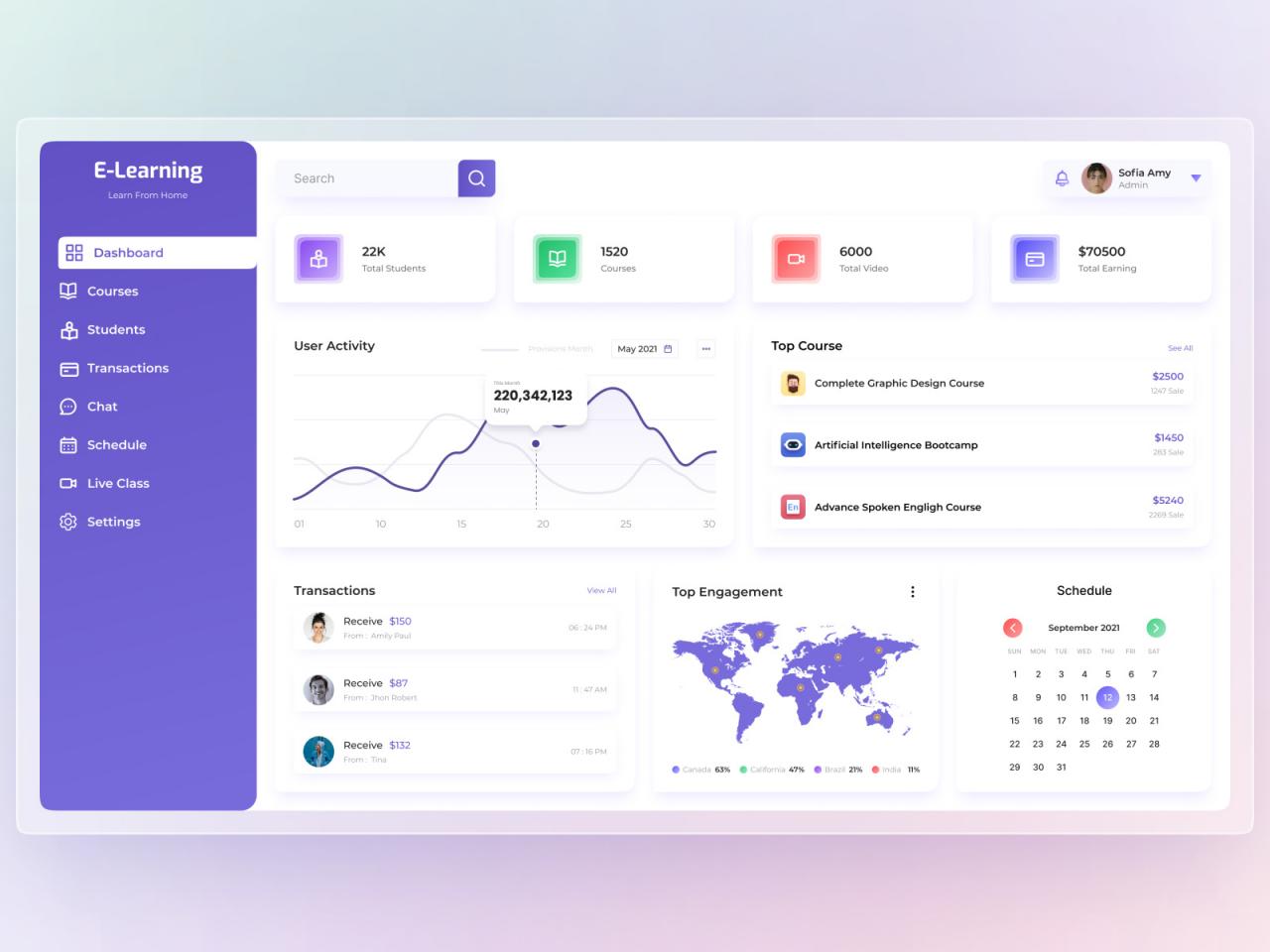
E-learning Platform Dashboard by Awe Graphics on Dribbble

A dashboard learning platform serves as a centralized interface that aggregates various educational resources, data, and tools into one accessible location. This innovative approach to learning streamlines the educational experience, making it easier for learners and educators to track progress, manage content, and engage with materials. At its core, a dashboard learning platform is designed to enhance the teaching and learning process by providing a visual representation of important metrics and resources.The benefits of using a dashboard learning platform in education and training are multifaceted.

These platforms allow for personalized learning experiences, enabling users to tailor their educational journeys based on individual needs and preferences. Additionally, educators can utilize data analytics to monitor student performance in real-time, facilitating timely interventions and support. The integration of various learning tools—such as quizzes, discussions, and multimedia content—further enriches the educational experience.

Features of Dashboard Learning Platforms

Dashboard learning platforms typically come equipped with a range of features that enhance user engagement and learning outcomes. Understanding these features can help stakeholders choose the right platform for their needs.

  • Data Visualization: The ability to display performance metrics, engagement levels, and learning progress through intuitive graphs and charts is a hallmark of dashboard learning platforms. This visual aspect helps users quickly grasp their current standing and areas needing improvement.
  • Personalized Learning Paths: Many platforms offer customized pathways for learners, allowing them to advance through courses at their own pace based on their skill level and interests.
  • Collaboration Tools: Features such as discussion boards, group projects, and peer review systems foster collaboration among students, enhancing the learning experience through shared knowledge and diverse perspectives.
  • Integration with Other Tools: Dashboard platforms often integrate with third-party applications, such as video conferencing tools and content management systems, providing a seamless learning ecosystem.
  • Mobile Accessibility: The ability to access learning materials and dashboards via smartphones and tablets ensures that education is not confined to traditional settings, making learning more flexible.

Popular Dashboard Learning Platforms

Several dashboard learning platforms have gained popularity due to their effectiveness in enhancing educational experiences. Here are some notable examples:

  • Moodle: An open-source learning management system that offers a customizable dashboard for institutions, allowing educators to create tailored courses and track student performance.
  • Google Classroom: A free service that provides a streamlined dashboard for teachers and students, facilitating assignment management, feedback, and collaboration.
  • Canvas: A cloud-based learning management system known for its user-friendly interface and robust analytics capabilities, offering educators insights into student progress and engagement.
  • Blackboard: A comprehensive educational platform that combines learning management with analytics, providing a rich dashboard experience for higher education institutions.
  • Edmodo: A social learning platform that allows teachers to create a classroom dashboard that fosters communication, resource sharing, and collaboration among students.

Key Components of Dashboard Learning Platforms

Effective dashboard learning platforms serve as the hub for educational insights, providing users with the tools they need to track their progress and enhance their learning experiences. A well-designed platform integrates various key components that not only drive engagement but also facilitate a seamless educational journey.

Essential Features of an Effective Dashboard Learning Platform

A robust dashboard learning platform integrates several essential features that enhance the learning experience. These features ensure that learners can access information efficiently and engage meaningfully with the content. Key features include:

  • User Authentication: Secure login systems protect users’ data while allowing personalized experiences.
  • Customizable Dashboards: Users can arrange their learning tools and resources according to their preferences, which promotes a sense of ownership over their education.
  • Content Management System: This feature allows educators to easily upload, organize, and update course materials, ensuring learners have access to the latest information.
  • Interactive Elements: Quizzes, discussion boards, and multimedia content help to engage learners actively, catering to different learning styles.

User Interface and User Experience in Dashboard Learning Platforms

The role of user interface (UI) and user experience (UX) cannot be overstated in the design of dashboard learning platforms. A user-friendly interface enhances accessibility and encourages user engagement, while a solid UX ensures that learners can navigate the platform with ease. The design should prioritize intuitive navigation, clear labeling, and an aesthetically pleasing layout. For instance, color-coded sections facilitate quick access to different areas, while responsive design allows for seamless use across devices, such as smartphones, tablets, and computers.

Effective UI and UX design are critical for maximizing user engagement and satisfaction in learning platforms.

Importance of Analytics and Reporting Functionalities

Analytics and reporting functionalities are crucial components that empower both learners and educators. They enable the tracking of progress, identification of areas needing improvement, and overall assessment of course effectiveness. These functionalities might include:

  • Performance Tracking: Learners can monitor their progress over time, helping them remain motivated and take proactive steps in their learning journey.
  • Data Visualization: Graphs and charts provide at-a-glance insights into performance trends, making it easier for users to identify strengths and weaknesses.
  • Custom Reports: Educators can generate detailed reports to assess class performance, providing insights that inform instructional strategies.

Incorporating advanced analytics, such as predictive analytics, allows for the anticipation of learner needs and tailoring of educational experiences accordingly. Real-life applications of these technologies can be seen in platforms that utilize machine learning algorithms to suggest personalized learning paths based on user behavior and performance data.

Implementation Strategies for Dashboard Learning Platforms

Integrating a dashboard learning platform into an existing curriculum requires careful planning and execution. By following structured procedures, educators can enhance their teaching methodologies and students can achieve greater learning outcomes. This content Artikels the strategies necessary for effective integration, training, and a timeline for implementation.

Step-by-Step Procedures for Integration

Implementing a dashboard learning platform involves several key steps to ensure a smooth transition. The following procedures can facilitate the integration into the existing curriculum:

  1. Assessment of Needs: Evaluate the current curriculum to identify areas where the dashboard can enhance learning experiences.
  2. Selection of Platform: Research and select a dashboard learning platform that aligns with educational goals and technical requirements.
  3. Infrastructure Setup: Ensure the necessary technical infrastructure is in place, including internet connectivity and compatible devices for both educators and students.
  4. Content Migration: Transfer existing course materials to the new platform, ensuring that all resources are accessible and well-organized.
  5. Integration with Curriculum: Seamlessly incorporate the platform into the curriculum, aligning learning objectives with the dashboard’s capabilities.
  6. Pilot Testing: Conduct a pilot test with a small group of educators and students to gather feedback and make necessary adjustments.
  7. Full Implementation: Roll out the platform across all classes, providing ongoing support to address any issues that arise.

Training Best Practices for Educators and Learners

Effective training is essential for both educators and students to maximize the benefits of the dashboard learning platform. The following best practices should be considered:

“Comprehensive training fosters confidence and competence in utilizing technology for educational purposes.”

Training sessions should be thorough and engaging, covering the following aspects:

  • Hands-On Workshops: Organize interactive workshops that allow educators to explore the platform’s features and functionalities firsthand.
  • Resource Development: Create user-friendly manuals and quick reference guides tailored for both educators and learners to facilitate ongoing learning.
  • Peer Support Networks: Establish support groups where educators can share experiences, troubleshoot issues, and exchange tips on using the dashboard effectively.
  • Ongoing Training Opportunities: Provide opportunities for continuous professional development to keep educators updated on new features and best practices.

Implementation Timeline and Key Milestones

A structured timeline can help ensure that the implementation process remains organized and on track. The following milestones Artikel a typical timeline for the integration of a dashboard learning platform:

Phase Timeline Key Activities
Planning Month 1 Conduct needs assessment and select the platform.
Setup Month 2 Establish technical infrastructure and migrate content.
Pilot Testing Month 3 Run a pilot with selected classes for feedback.
Full Implementation Months 4-5 Launch the platform for all classes and provide training.
Evaluation Month 6 Gather feedback and assess the effectiveness of the platform.

Customization and Personalization Features

In today’s diverse learning environment, the ability to customize and personalize dashboard learning platforms is crucial. These features help cater to various learning styles, preferences, and individual needs, ensuring that every learner can engage effectively with the material. By tailoring the learning experience, platforms not only enhance user satisfaction but also improve educational outcomes.Customization features within dashboard learning platforms allow educators and learners to modify the interface and content according to their preferences.

This can involve adjusting the layout, selecting preferred themes, or even rearranging widgets to display the most relevant information. These modifications enable users to create a workspace that feels intuitive and comfortable, ultimately promoting a more engaging learning experience.

Methods for Customization

Implementing effective customization methods involves several strategies that can significantly enhance the learning experience. Here are some key aspects to consider:

  • Adaptive Learning Paths: These paths adjust content delivery based on the learner’s progress and performance. For instance, platforms like Khan Academy use algorithms to suggest resources tailored to individual learning speeds and styles.
  • Flexible Dashboard Layouts: Users can often drag and drop elements, resize panels, and choose what information to display prominently. For example, platforms like Google Classroom allow teachers to prioritize assignments and announcements based on urgency or relevance.
  • Theming Options: Learners can select color schemes and font sizes that best suit their visual preferences, which is especially beneficial for those with visual impairments. Platforms like Edmodo enable users to choose themes that create a more personalized and welcoming environment.
  • User-Defined Notifications: Customizable notification settings help learners receive alerts that matter to them, such as reminders for deadlines or updates on course activities. This personalization keeps users engaged and informed without overwhelming them.

Enhancing User Engagement Through Personalization

Personalization features are designed to enhance user engagement by tailoring the learning experience to individual needs. By implementing these features, platforms can foster a sense of ownership and motivation among learners.

  • Personal Learning Goals: Allowing learners to set and track their own goals can significantly enhance motivation and commitment. For instance, platforms like Coursera provide personalized recommendations based on users’ interests and past course completions.
  • Feedback Mechanisms: Personalized feedback based on performance helps learners understand their strengths and areas for improvement. Systems like Duolingo offer individualized feedback, guiding users through tailored exercises to reinforce their learning.
  • Peer Connections: Engaging learners through customizable peer interaction features can enhance collaboration. Many platforms, such as Slack or Microsoft Teams, facilitate networking among users with similar learning goals, creating a support system that fosters teamwork and community.
  • Content Recommendations: Machine learning algorithms can analyze user behavior to suggest relevant courses or materials. Platforms like LinkedIn Learning provide recommendations based on users’ skills and career aspirations, ensuring that the content remains relevant and engaging.

Customizable Elements in Popular Platforms

Various dashboard learning platforms offer a range of customizable elements that cater to personalized learning experiences. Here are notable examples:

  • Canvas LMS: Users can customize course navigation options, allowing them to prioritize the most important resources. Canvas also supports personalized course shells, enabling instructors to tailor content for specific learner groups.
  • Moodle: This open-source platform allows extensive customization, from branding options to the arrangement of course blocks. Instructors can create personalized learning pathways and integrate various plugins that enhance user experience.
  • Blackboard: Offers customizable dashboards where users can choose which tools and information to display. This flexibility promotes a tailored learning experience that meets the needs of diverse users.
  • Google Classroom: Facilitates customization of class materials and resources, allowing teachers to organize content in a way that best suits their teaching style and learner preferences.

Evaluating the Effectiveness of Dashboard Learning Platforms

Evaluating the effectiveness of dashboard learning platforms is essential to ensure they meet educational objectives and enhance learner engagement. By assessing performance through various metrics and indicators, we can gain insights into how well these platforms facilitate learning and improve user experience. This evaluation not only highlights areas for improvement but also informs decisions on future investments in technology and pedagogy.

Metrics and Indicators for Performance Assessment

To effectively evaluate the performance of dashboard learning platforms, specific metrics and indicators are crucial. These help stakeholders understand user engagement, learning outcomes, and overall platform effectiveness. The following metrics are often considered:

  • User Engagement Metrics: Metrics such as login frequency, time spent on the platform, and course completion rates provide insights into how actively users are interacting with the content.
  • Learning Outcomes: Pre-and post-assessment scores can reveal the knowledge gained by learners. Tracking skill acquisition or competency development through assessments is valuable.
  • Feedback and Satisfaction Scores: Collecting feedback through surveys or rating systems helps gauge user satisfaction and areas for improvement. High satisfaction scores often correlate with better learning outcomes.
  • Retention Rates: Monitoring the percentage of users who continue to engage with the platform over time is a strong indicator of its effectiveness and value to learners.
  • Cost-Effectiveness: Evaluating the cost per learner who achieves specific learning outcomes helps in determining whether the platform provides good value for money.

Evaluation Methods for Measuring Learner Outcomes

Different evaluation methods can be applied to measure learner outcomes and platform effectiveness. These methods may include qualitative and quantitative approaches, providing a comprehensive understanding of learning impact.

  • Surveys and Questionnaires: Gathering direct feedback from learners through structured surveys helps assess their perceptions of the platform and its effectiveness.
  • Data Analytics: Utilizing analytics tools to track learner behavior and performance can provide quantitative insights into user engagement and the effectiveness of specific features.
  • Case Studies: In-depth examinations of specific groups or courses can reveal detailed insights about the platform’s impact on learning within different contexts.
  • Comparative Studies: Comparing outcomes of learners using the platform versus those in traditional learning environments can highlight the relative effectiveness of the dashboard.

Challenges in Evaluating Dashboard Learning Platforms

Several challenges can arise when evaluating dashboard learning platforms, which may affect the accuracy and reliability of the assessment results. Addressing these challenges is crucial for effective evaluations.

  • Data Privacy Concerns: Ensuring the protection of user data while collecting metrics can be challenging. Implementing robust data protection policies and anonymizing user data can mitigate these issues.
  • Inconsistent Data Quality: Variations in data collection methods can lead to inconsistencies. Standardizing data collection processes across different platforms helps maintain data integrity.
  • Limited User Feedback: Low participation in surveys or feedback mechanisms can hinder accurate assessments. Encouraging user participation through incentives may enhance feedback rates.
  • Measuring Soft Skills: Quantifying improvements in soft skills such as collaboration or critical thinking can be difficult. Incorporating qualitative assessments, peer reviews, or reflective journals can provide a richer evaluation.

Future Trends in Dashboard Learning Platforms

As dashboard learning platforms evolve, the integration of emerging technologies is set to redefine the educational landscape. The focus on creating more immersive and efficient learning experiences is becoming increasingly prominent. This section explores the anticipated trends that will shape the future of these platforms, including technological advancements, evolving user engagement strategies, and the impact of artificial intelligence.

Impact of Emerging Technologies

The development of dashboard learning platforms is heavily influenced by emerging technologies such as virtual reality (VR), augmented reality (AR), and the Internet of Things (IoT). These technologies provide innovative ways for users to interact with learning materials. For instance, VR can create fully immersive learning environments, enabling simulations that enhance understanding of complex subjects. AR can overlay digital information on physical surroundings, making learning more interactive and engaging.

  • Virtual Reality (VR): By utilizing VR, learners can participate in realistic scenarios, such as historical events or scientific experiments, fostering a deeper understanding of the subject matter.
  • Augmented Reality (AR): AR technology can bring static content to life, allowing students to visualize concepts in real-time through their devices, enhancing retention rates.
  • Internet of Things (IoT): IoT enables the integration of smart devices that can collect data on student engagement and performance, providing insights for personalized learning experiences.

Evolving User Engagement Strategies

With the rise of gamification and personalized learning paths, user engagement strategies within dashboard learning platforms are evolving. Engaging users through interactive elements and tailored content is essential for maintaining interest and promoting active learning.

  • Gamification: Integrating game-like elements such as points, badges, and leaderboards motivates learners by making the educational process more enjoyable.
  • Personalized Learning Experiences: Using analytics and feedback, dashboard platforms can adjust content according to individual learning styles and progress, enhancing user satisfaction and outcomes.
  • Social Learning Features: Collaborative tools and forums foster a sense of community, encouraging learners to share knowledge and support one another.

Artificial Intelligence Enhancements

Artificial intelligence (AI) has significant potential to enhance learning experiences on dashboard platforms by providing adaptive learning solutions, automating administrative tasks, and offering real-time feedback. AI can analyze learner behavior and adapt content to meet their needs.

  • Adaptive Learning: AI algorithms can track student performance and customize the learning path, ensuring that each user receives personalized content suited to their pace and understanding.
  • Automated Feedback: AI can provide immediate feedback on quizzes and assignments, allowing learners to understand their mistakes and improve rapidly.
  • Predictive Analytics: By analyzing patterns in learner data, AI can identify at-risk students and suggest interventions to enhance their educational experience.

“The future of dashboard learning platforms lies in their ability to leverage emerging technologies and AI, creating dynamic and personalized educational experiences.”

Case Studies of Successful Dashboard Learning Platforms

The rise of dashboard learning platforms has reshaped how organizations manage and deliver training and education. These platforms provide a centralized interface for learners and educators, making it easier to track progress, access resources, and engage with the content. This section explores several case studies illustrating successful implementations of dashboard learning platforms across various sectors, highlighting the challenges encountered and the strategies employed to overcome them.

Case Study: TechCorp’s Employee Training Dashboard

TechCorp, a leading technology firm, implemented a dashboard learning platform to enhance its employee training programs. The primary goal was to create a streamlined process for onboarding new employees and upskilling existing staff. The challenges faced included resistance to change among employees and difficulties integrating the dashboard with existing HR systems. To address these issues, TechCorp conducted extensive training sessions and provided continuous support to users.

By incorporating feedback from employees during the rollout, they gradually increased user adoption rates.

Case Study: HealthCare Plus Patient Education Platform

HealthCare Plus utilized a dashboard learning platform to improve patient education and engagement in managing chronic conditions. The platform allowed healthcare providers to monitor patient progress and deliver personalized content.Challenges included ensuring user-friendly navigation for patients and integrating diverse educational resources. HealthCare Plus overcame these hurdles by collaborating with a user experience designer to enhance usability and curating a library of resources relevant to patient needs.

Case Study: University of Knowledge Learning Management System

The University of Knowledge adopted a dashboard learning platform to facilitate online learning for its diverse student population. The primary focus was on improving student engagement and academic performance.Initial challenges were related to technical issues, such as platform stability and data integration. The university worked closely with the platform vendor to resolve these issues and conducted regular workshops for faculty to maximize the platform’s potential.

This proactive approach led to a significant increase in course completion rates.

Comparative Analysis of Case Studies

The following table summarizes the outcomes and success metrics from the previously discussed case studies, providing a clear comparison of their achievements and challenges faced.

Organization Primary Goal Challenges Faced Solutions Implemented Success Metrics
TechCorp Enhance employee training Resistance to change, integration issues Training sessions, user feedback incorporation Increased onboarding efficiency by 40%
HealthCare Plus Improve patient education User navigation challenges, resource integration UX design collaboration, curated resources Enhanced patient engagement scores by 30%
University of Knowledge Facilitate online learning Technical issues, faculty adaptation Vendor collaboration, faculty workshops Course completion rates increased by 25%

Successful implementation of dashboard learning platforms relies on understanding user needs and addressing challenges through collaboration and support.

Last Recap

In summary, dashboard learning platforms are not just tools but transformative resources that can significantly improve learning outcomes. As technology continues to evolve, so too will these platforms, promising even more engaging and personalized educational experiences in the future.

Expert Answers

What is a dashboard learning platform?

A dashboard learning platform is a centralized interface that integrates various educational tools and resources for improved learning experiences.

How does a dashboard learning platform benefit educators?

It offers streamlined access to analytics, user engagement tools, and customizable features that enhance teaching effectiveness.

Can dashboard learning platforms be integrated into existing systems?

Yes, they can often be integrated into current curricula with proper planning and implementation strategies.

What are some common challenges when using these platforms?

Challenges may include user adoption, technical issues, and ensuring effective training for both educators and learners.

Are dashboard learning platforms suitable for all types of learners?

Yes, they can be customized to meet diverse learning needs and preferences, making them versatile for various educational contexts.
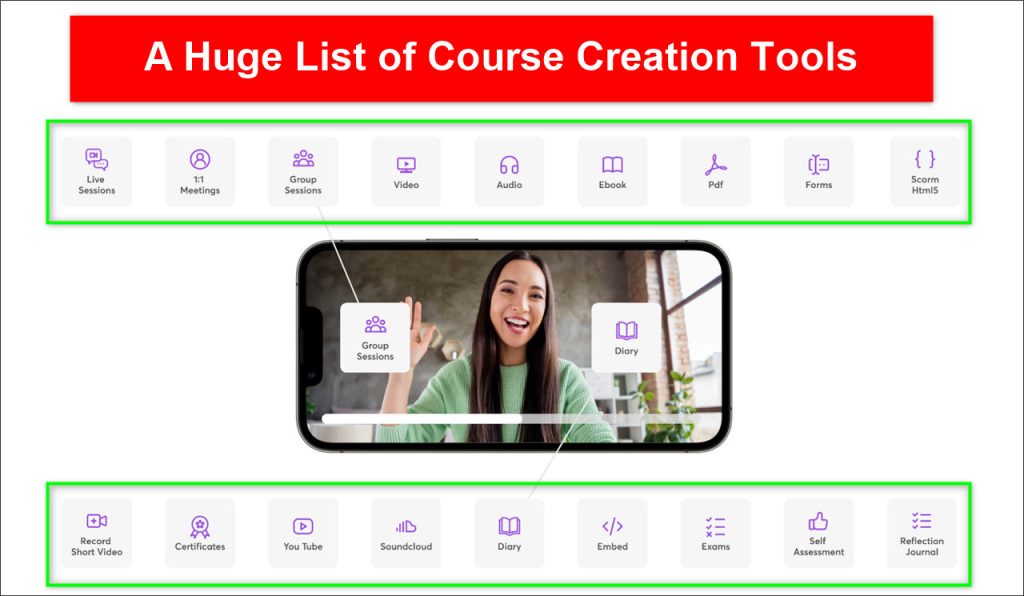
Platforms to create online courses have revolutionized the educational landscape, offering diverse opportunities for educators and learners alike. With the rise of digital learning, these platforms have made it easier than ever for anyone to share their knowledge and skills globally. Whether you are a seasoned instructor or a newcomer, understanding the intricacies of these platforms is key to harnessing their full potential.

From user-friendly interfaces to integrated marketing tools, the right platform can enhance the learning experience while simplifying course creation. As we delve into the world of online course platforms, we will explore their essential features, popular choices, and the emerging trends that continue to shape this dynamic industry.

Overview of Online Course Platforms

Online course platforms have become increasingly significant in today’s educational landscape, revolutionizing the way knowledge is disseminated and consumed. With the rise of digital technology and the need for flexible learning solutions, these platforms provide a unique avenue for educators and learners alike. They enable individuals to access a wealth of information and skills training from the comfort of their homes, fostering a culture of lifelong learning.The key features that define a quality platform for creating online courses include user-friendly interfaces, robust content creation tools, and comprehensive analytics.

A seamless user experience is crucial for both instructors and learners, as it enhances engagement and reduces barriers to entry. High-quality content creation tools allow educators to develop interactive and diverse course materials, catering to various learning styles. Analytics functionalities help instructors track student progress and engagement, which is essential for refining course content and improving the overall learning experience.

Evolution of Online Learning Platforms

The evolution of online learning platforms over the past decade has been marked by significant advancements in technology and pedagogical methods. Initially, online learning was primarily limited to basic video lectures and downloadable resources. However, the shift towards more interactive and personalized learning experiences has transformed how courses are delivered. Key developments in this evolution include:

  • Advent of Interactive Learning: Platforms now incorporate interactive elements such as quizzes, discussion forums, and gamification, enhancing student engagement and motivation.
  • Mobile Learning: The rise of smartphones and tablets has led to the development of mobile-friendly platforms, making learning accessible anytime and anywhere.
  • Integration of Artificial Intelligence: AI technologies are increasingly being utilized to analyze learning patterns and provide tailored recommendations, making the learning experience more personalized.
  • Focus on Community Building: Modern platforms emphasize creating communities among learners and instructors, fostering collaboration and peer learning through social features.

These advancements reflect a broader trend towards more flexible, accessible, and engaging learning environments. The global pandemic further accelerated this shift, with traditional educational institutions rapidly adopting online platforms to continue delivering education. As a result, online course platforms have become integral to the educational framework, bridging gaps and providing opportunities for learners worldwide.

“The future of education is not just about access; it’s about transforming how we learn and engage with knowledge.”

Popular Platforms for Creating Online Courses

Creating online courses has become a powerful way to share knowledge and generate income. Various platforms enable educators to design, publish, and sell their courses to a global audience. This overview highlights three significant players in the market—Udemy, Teachable, and Thinkific—each with unique features and capabilities.When selecting a platform for course creation, it’s essential to understand their strengths and weaknesses.

Each platform offers different pricing structures, user interfaces, and features that cater to varying needs of instructors and learners alike. Below is a detailed comparison of these platforms.

Comparison of Udemy, Teachable, and Thinkific

The following table summarizes the key aspects of each platform, including pricing models, features, and ease of use. This comparison will help potential course creators make informed decisions based on their specific requirements.

Platform Pricing Model Features Ease of Use
Udemy Free to publish; Udemy takes a percentage of sales (50% if through Udemy, 3% if through instructor’s promotions) Large marketplace, easy course creation tools, video hosting, quizzes, and student discussions Very user-friendly; designed for beginners
Teachable Starts at $39/month (basic plan), plus transaction fees; higher tiers reduce fees Customizable sales pages, marketing tools, affiliate programs, and unlimited courses Intuitive interface but requires some setup time
Thinkific Free plan available; paid plans start at $39/month without transaction fees Course templates, drag-and-drop builder, membership site options, and integrated email marketing Easy to use with comprehensive onboarding

Advantages and Disadvantages of Each Platform

Understanding the pros and cons of each platform can greatly influence the decision-making process. Below is a breakdown of the advantages and disadvantages associated with Udemy, Teachable, and Thinkific.For Udemy:

Advantages include a vast audience reach and no upfront costs, which can lead to higher visibility for courses.

  • Access to a large user base.
  • No upfront fees; you get paid after course sales.
  • Built-in marketing tools.

Disadvantages encompass high commission rates and limited branding opportunities.

  • High percentage taken from course sales.
  • Less control over pricing and course details.
  • Limited customization options for course presentation.

For Teachable:

Advantages include flexibility in pricing and a wide array of features for marketing.

  • Ability to set own pricing and offers.
  • Comprehensive marketing tools available.
  • Customizable course templates for branding.

Disadvantages highlight transaction fees and the requirement of more technical setup.

  • Transaction fees on lower-tier plans.
  • More technical knowledge may be needed for full customization.

For Thinkific:

Advantages include a straightforward interface and no transaction fees on paid plans.

  • Free plan available with essential features.
  • No transaction fees on any of the paid plans.
  • Integration options for email marketing.

Disadvantages can involve limitations in the free plan and some advanced features being locked behind paywalls.

  • The free plan has restricted features.
  • Some advanced integrations and tools require higher-tier plans.

Essential Features to Look for in a Course Creation Platform

Choosing the right course creation platform is crucial for anyone looking to share knowledge online. The features offered by these platforms can significantly impact the overall learning experience, both for the instructor and the students. This guide discusses the key attributes to consider when evaluating different course creation tools, ensuring that you find the best fit for your educational goals.

User-Friendly Design and Interface

A user-friendly design and interface are essential for both instructors and learners. An intuitive layout allows instructors to create courses with ease and efficiency while ensuring students can navigate through materials without frustration. Platforms that emphasize a clean and accessible interface lead to increased engagement and improved learning outcomes. Effective course creation tools typically include features like drag-and-drop functionality, customizable templates, and mobile responsiveness, which make the course creation process seamless.

Here are some key aspects to keep in mind:

  • Simplicity: A straightforward design minimizes the learning curve for new users, allowing them to focus on content rather than technicalities.
  • Accessibility: Features that support diverse learning styles and abilities improve the overall user experience.
  • Responsive Design: Ensuring that the platform works well on various devices enhances accessibility for learners on the go.

Integrated Marketing Tools

Having integrated marketing tools within a course creation platform can dramatically enhance your reach and effectiveness in promoting your courses. These tools help instructors to not only build but also market their courses effectively, converting potential learners into enrolled students. Incorporating marketing features such as email automation, landing page creation, and social media sharing options simplifies the promotional process. The following marketing tools are essential:

  • Email Marketing Integration: Automation for sending course updates, promotional messages, and newsletters directly to your audience keeps them engaged.
  • Landing Page Builder: Custom landing pages that highlight course benefits and features can significantly increase conversion rates.
  • Optimization: Built-in tools help ensure that your courses are easily discoverable by search engines, increasing visibility and reach.

Analytics and Reporting Features

Analytics and reporting features play a critical role in tracking learner progress and understanding the effectiveness of course materials. Platforms that offer robust analytics allow instructors to gain insights into how learners interact with the content, enabling continuous improvement of the course offerings.Key analytics features include:

  • Student Progress Tracking: Monitoring individual and collective progress helps identify areas where students may struggle, allowing for targeted interventions.
  • Engagement Metrics: Data on course engagement provides valuable feedback on how well the content is resonating with learners.
  • Completion Rates: Understanding completion rates can highlight the effectiveness of the course design and inform future improvements.

“Education is not the filling of a pail, but the lighting of a fire.” – W.B. Yeats

Steps to Create an Online Course on a Chosen Platform

Creating an online course can be an exciting venture, allowing you to share your knowledge with a wider audience. In this section, we’ll walk through essential steps to set up your course on a chosen platform, ensuring that your content is engaging and educational. Setting up an account on an online course platform is typically straightforward but varies slightly from platform to platform.

Understanding the navigation of your chosen platform is crucial for managing your course efficiently. Here’s a simple process to get you started:

Account Setup and Platform Navigation

Before diving into course creation, ensure your account is set up correctly. Follow these steps:

1. Select a Platform

Choose a platform that suits your course’s needs, such as Udemy, Teachable, or Thinkific.

2. Create an Account

Visit the platform’s homepage and click on the sign-up button. Fill in the required fields, including your name, email, and password.

3. Confirm Your Email

After signing up, look for a confirmation email. Click the link to verify your account.

4. Set Up Your Profile

Once logged in, complete your profile by adding a bio, profile picture, and any relevant credentials or experience.

5. Familiarize Yourself with the Dashboard

Explore the dashboard to understand the layout, features, and tools available for course creation.Proper navigation ensures you can efficiently manage course content and student interactions.

Creating Course Content

Developing compelling course material is key to an engaging learning experience. Here’s a step-by-step guide to help you build your course content effectively:

1. Artikel Your Course Structure

Start with a clear course Artikel that includes modules, lessons, and objectives.

2. Record Videos

Use a good-quality camera and microphone to record engaging lectures. Remember to keep videos concise and focused.

3. Design Quizzes and Assignments

Incorporate quizzes to reinforce learning and assignments to encourage practical application. Aim for a mix of formats, such as multiple-choice, true/false, and open-ended questions.

4. Utilize Slide Presentations

Tools like PowerPoint or Google Slides can enhance your video lectures. Make sure your slides are visually appealing and easy to follow.

5. Add Resources

Provide supplementary materials, such as PDFs, articles, or links to external resources, to enrich the learning experience.Always ensure that your content flows logically and builds upon previous knowledge.

Best Practices for Designing Engaging Course Materials

Creating engaging course materials is essential for capturing students’ attention and enhancing their learning experience. Consider the following best practices:

Use Visuals

Incorporate images, infographics, and charts to make your content visually appealing. For instance, a well-designed infographic summarizing key concepts can significantly enhance understanding.

Keep Text Minimal

Avoid cluttering slides or videos with too much text. Utilize bullet points and concise phrases to convey information clearly.

Incorporate Interactive Elements

Encourage student participation by including polls, discussions, or interactive quizzes within your course. For example, using platforms with built-in engagement tools can foster a community feeling among learners.

Vary Your Content Delivery

Use different media types to cater to various learning styles. Mix videos, podcasts, written content, and interactive elements to maintain interest.

Seek Feedback

After a course launch, ask students for feedback on course materials and make adjustments accordingly. Continuous improvement based on student input can enhance course effectiveness.

Regularly updating your course materials based on learner feedback keeps the content relevant and engaging for new students.

Monetization Strategies for Online Courses

Monetizing online courses effectively is crucial for maximizing revenue and ensuring sustainability. Various pricing strategies and promotional methods can significantly influence course success. Understanding these aspects will enable course creators to make informed decisions and optimize their offerings.

Pricing Strategies for Online Courses

Setting the right price for online courses can determine their perceived value and enrollment rates. The two primary pricing models are subscription-based and one-time fees.

Subscription-Based Pricing

In this model, learners pay a recurring fee (monthly or annually) for access to a library of content or ongoing courses. This method can foster long-term engagement and create predictable revenue streams. For example, platforms like MasterClass offer subscriptions that allow unlimited access to various courses, appealing to learners who prefer flexibility in learning.

One-Time Fee Pricing

This approach involves charging a single payment for lifetime access to a course. It can be advantageous for courses with specific, standalone content. For instance, platforms like Udemy often use this model, allowing students to own the course indefinitely, which can be attractive for those who want a one-off investment.Both strategies have their merits and can be tailored to different audiences depending on the course content and target market.

Promoting Courses Through Social Media and Email Marketing

Effective promotion is essential for driving enrollment in online courses. Social media and email marketing are powerful tools that can help reach potential students and engage existing ones.

Social Media Promotion

Creating compelling content that resonates with your audience is key. This can include short video teasers of course content, infographics highlighting course benefits, or testimonials from past students. Platforms like Instagram and Facebook allow for targeted advertisements to reach specific demographics, increasing visibility.

Email Marketing

Building an email list enables direct communication with interested learners. Sharing newsletters with valuable tips related to your course topic, exclusive discounts, or early access offers can entice potential students to enroll. Personalizing emails based on user behavior increases engagement and conversion rates.

Additional Revenue Streams Through Affiliate Marketing and Partnerships

Exploring supplementary revenue streams can enhance overall earnings from online courses. Two effective methods include affiliate marketing and strategic partnerships.

Affiliate Marketing

This involves collaborating with influencers or other educators who can promote your course in exchange for a commission on sales generated through their referrals. This not only expands your reach but also leverages the trust that affiliates have built with their audiences.

Partnerships

Forming alliances with businesses or organizations can provide access to broader audiences. For instance, partnering with educational institutions to offer your course as part of their curriculum can bring in significant enrollments. Both methods require careful selection of partners to ensure alignment with your brand values and audience.These strategies offer pathways to diversify income while maximizing the visibility and appeal of online courses.

Technical Considerations for Online Course Creation

Creating an online course involves various technical aspects that can significantly impact the learning experience. From hosting platforms to ensuring accessibility, each element plays a crucial role in delivering quality education. Understanding these considerations can help course creators avoid common pitfalls and enhance the overall effectiveness of their course offerings.

Hosting and Bandwidth Requirements for Multimedia Content

Choosing the right hosting solution is essential for delivering multimedia content smoothly. High-quality videos, audio files, and interactive elements require substantial bandwidth to function optimally.

  • Reliable Hosting Services: Opt for a hosting provider that guarantees high uptime and quick load times to keep learners engaged.
  • Bandwidth Considerations: Assess your expected traffic and multimedia needs to select a plan that can accommodate peak usage without lag or buffering.
  • Content Delivery Networks (CDNs): Leverage CDNs to enhance the delivery speed of your multimedia content globally, reducing latency and improving user experience.

Integrations with Essential Tools

Integrating various tools is vital for managing administrative tasks and enhancing user experience. Several integrations can streamline processes for course creators.

  • Payment Gateways: Implement secure payment gateways like PayPal or Stripe to facilitate smooth transactions for course registrations.
  • Email Services: Use email marketing platforms to automate communication, nurture leads, and keep learners updated with course content.
  • Customer Relationship Management (CRM) Systems: Integrate CRMs to manage learner interactions, track progress, and personalize the learning experience.

Mobile Compatibility and Accessibility

Ensuring that your online course is accessible across devices is crucial, as learners increasingly use smartphones and tablets for education.

  • Responsive Design: Implement a responsive design that adjusts to different screen sizes, ensuring a user-friendly experience on any device.
  • Accessibility Features: Incorporate features like screen reader compatibility, alternative text for images, and subtitles for videos to cater to diverse learner needs.
  • Testing Across Devices: Regularly test your course on various devices and browsers to identify and resolve compatibility issues before launch.

Community Building and Support on Course Platforms

Creating a strong community around online courses enhances the learning experience for students. Community features like forums and discussion groups not only foster interaction among learners but also provide a platform for sharing insights, resources, and support. This sense of belonging is crucial for motivation and retention, encouraging students to engage more deeply with the course material.The significance of community features cannot be overstated.

They serve as essential tools for collaboration and knowledge exchange, allowing students to connect over shared interests and challenges. By facilitating discussions, these platforms create an environment where learners feel comfortable asking questions and sharing experiences. This interaction is vital, as it reinforces lessons learned and promotes a deeper understanding of the subject matter.

Importance of Ongoing Support and Engagement

Ongoing support and engagement are key components of successful online learning experiences. When learners feel supported, they are more likely to persist through challenges and complete their courses. Here are some benefits of providing this ongoing support:

  • Enhanced Motivation: Regular interactions with instructors and peers help maintain student motivation, encouraging them to engage with course materials consistently.
  • Improved Retention Rates: Students who feel connected to a community are less likely to drop out; they often find encouragement through shared experiences and communal learning.
  • Increased Knowledge Sharing: Ongoing support fosters an environment where students can freely share insights, leading to richer discussions and collaborative learning opportunities.

Ongoing support can manifest in various ways, such as regular check-ins from instructors, feedback sessions, or dedicated support teams. These strategies help create a more personalized learning experience for every student, thus enhancing their overall educational journey.

Strategies for Fostering Interaction Among Students

Fostering interaction among students is essential for creating an engaging learning atmosphere. Here are several strategies that course platforms can implement to enhance student interaction:

  • Discussion Forums: Setting up dedicated threads for specific topics encourages students to share thoughts and respond to each other, promoting active participation.
  • Group Projects: Assigning collaborative tasks requires students to work together, building teamwork skills and strengthening interpersonal connections.
  • Live Q&A Sessions: Hosting live sessions where students can ask questions in real-time boosts engagement and allows for immediate feedback from instructors or peers.
  • Peer Review Opportunities: Allowing students to review each other’s work fosters accountability and provides varied perspectives on assignments.

Utilizing various tools and features effectively can create a vibrant community where learners feel valued and empowered, ultimately leading to better educational outcomes and greater satisfaction with the course experience.

Trends in Online Course Development

The landscape of online course development is rapidly evolving, driven by technological advancements and changing learner preferences. As we delve into the current trends shaping this industry, it’s essential to recognize how emerging technologies and innovative approaches are redefining the learning experience for millions of students worldwide.

Emerging Technologies in Online Learning

The integration of advanced technologies like Artificial Intelligence (AI) and Virtual Reality (VR) is revolutionizing online education platforms. AI is enhancing personalized learning experiences by adapting course materials based on individual learner behavior and performance. For instance, platforms like Coursera and edX utilize AI algorithms to recommend specific courses tailored to a learner’s interests and skill level. On the other hand, VR is transforming the way complex subjects are taught, providing immersive experiences that deepen understanding.

For example, universities are using VR simulations to teach medical students about anatomy in a three-dimensional space, allowing for a more engaging and practical learning environment. These technologies not only make learning more interactive but also cater to diverse learning styles, making education more accessible.

Growing Demand for Microlearning

Microlearning is gaining traction as a favored approach for modern learners, characterized by short, focused segments of content that can be easily consumed. This trend aligns with the busy lifestyles of many learners who seek quick, digestible information rather than lengthy courses. Research shows that learners retain information more effectively when it is presented in bite-sized chunks, making microlearning an effective strategy for knowledge retention.

For example, platforms like LinkedIn Learning offer micro-courses that allow users to acquire skills in less than an hour. This format not only enhances engagement but also fits seamlessly into the multitasking nature of today’s society.

Innovative Course Formats

Innovative course formats are emerging to meet the diverse needs of contemporary learners. These formats prioritize flexibility and interactivity, catering to various learning preferences. Some notable examples include:

  • Gamified Learning: Incorporating game mechanics into courses makes learning enjoyable and encourages participation. Platforms like Kahoot! use quizzes and interactive challenges to reinforce knowledge.
  • Interactive Video Courses: These courses allow learners to engage with content through clickable options and branching scenarios, enhancing engagement and retention. Tools like Edpuzzle enable instructors to add interactive elements to existing videos.
  • Social Learning Environments: Courses that integrate social media features foster collaboration and peer-to-peer learning. Platforms like Slack can be used to create communities around specific subjects, facilitating discussion and shared resources.

These innovative formats not only enhance the learning experience but also support the development of soft skills, such as collaboration and critical thinking, essential for the modern workforce.

“The future of online learning lies in the ability to adapt content to the needs of the learner, leveraging technology to create personalized, engaging educational experiences.”

Final Conclusion

12 Best Online Course Platforms for Course Creation In 2023

In conclusion, the platforms to create online courses provide invaluable resources for both instructors and students, facilitating a flexible and engaging learning environment. As technology evolves, so too do the opportunities for innovative course design and delivery. By leveraging the right platform, educators can not only create impactful learning experiences but also connect with a global audience, ensuring that knowledge is accessible to all.

General Inquiries

What are the best platforms to create online courses?

Some of the best platforms include Udemy, Teachable, Thinkific, and Kajabi, each offering unique features and pricing models.

How much does it cost to create an online course?

The cost can vary widely depending on the platform, with some offering free plans while others charge monthly fees or take a percentage of course sales.

Can I use multiple platforms to sell my online course?

Yes, many instructors choose to use multiple platforms to maximize their reach and sales potential.

Do I need technical skills to create an online course?

While some technical knowledge can be helpful, most platforms are designed to be user-friendly and accessible even for beginners.

How do I promote my online course effectively?

Effective promotion strategies include leveraging social media, email marketing, and partnerships with influencers or related businesses.

Is MoneyGram crypto the next big thing in the world of financial services? As traditional money transfer companies face increasing competition from innovative digital currencies, MoneyGram has begun to embrace this transformation. This shift not only reflects the changing landscape of remittances but also highlights the growing integration of cryptocurrency into everyday transactions.

With a rich history as a financial service provider, MoneyGram has evolved significantly since its inception. By incorporating cryptocurrency into its offerings, the company aims to stay relevant in a rapidly changing industry. Understanding how MoneyGram is adapting to these trends is crucial for both consumers and investors alike.

Understanding MoneyGram

MoneyGram has established itself as a key player in the financial services industry, particularly in the remittance sector. With a history that spans over 80 years, it has evolved significantly to adapt to changing market conditions and consumer needs. MoneyGram was founded in 1940 as a money-order service and has since transitioned into a global provider of money transfer services.

Today, it operates in over 200 countries and territories, offering various services such as person-to-person money transfers, bill payment solutions, and mobile banking services. These services are crucial in the remittance industry, as they facilitate quick and reliable money transfers for individuals who often rely on these services for financial support.The regulatory environment surrounding MoneyGram is complex, with various laws and requirements in place to ensure compliance with financial regulations.

These regulations can influence the company’s operational capabilities, affecting everything from transaction fees to the speed of service delivery.

Introduction to Cryptocurrency

Cryptocurrency represents a revolutionary shift in how we perceive and conduct transactions. At its core, cryptocurrency is a digital asset designed to work as a medium of exchange, leveraging cryptography to secure transactions and control the creation of new units. The technology that underpins most cryptocurrencies is blockchain, a decentralized ledger that records all transactions across a network of computers.The advantages of using cryptocurrency include lower transaction fees, faster processing times, and enhanced privacy.

However, challenges such as price volatility, regulatory uncertainty, and potential security risks can hinder widespread adoption. Popular cryptocurrencies like Bitcoin, Ethereum, and Ripple have demonstrated various use cases, ranging from peer-to-peer payments to decentralized finance (DeFi) applications and smart contracts.

The Intersection of MoneyGram and Cryptocurrency

MoneyGram has recognized the potential of cryptocurrency and has taken steps to integrate it into its service offerings. In recent years, the company has partnered with various cryptocurrency platforms, aiming to create solutions that benefit both traditional money transfer users and cryptocurrency enthusiasts.These partnerships focus on objectives like enabling users to convert cryptocurrencies into local currencies and facilitating instant transactions.

As cryptocurrency adoption grows, traditional money transfer services like MoneyGram must adapt to stay relevant in a rapidly evolving market.

Analyzing MoneyGram’s Crypto Services

MoneyGram’s cryptocurrency services provide users with a seamless way to send and receive digital assets. The company has implemented a straightforward process for transactions, allowing users to send money through its platform while leveraging cryptocurrency for faster and cost-effective transfers.To break down MoneyGram’s cryptocurrency services, here are some key offerings:

  • Crypto-to-Cash Services: Users can exchange cryptocurrency for cash at MoneyGram locations.
  • Cash-to-Crypto Transactions: Customers can also convert cash into cryptocurrency directly through MoneyGram’s network.
  • Partnerships with Crypto Wallets: Collaborations with popular crypto wallets enable smooth transactions for users.

These features position MoneyGram competitively against other remittance services that are beginning to explore similar offerings.

Impact of Cryptocurrency on MoneyGram’s Business Model

Embracing cryptocurrency could yield several benefits for MoneyGram, including access to a broader customer base and enhanced transaction efficiency. The incorporation of digital assets into its service portfolio may also allow the company to reduce operational costs associated with traditional money transfers.However, risks and challenges in the cryptocurrency market, such as regulatory changes and market volatility, pose significant threats. MoneyGram’s strategies to adapt involve closely monitoring market trends and collaborating with regulatory bodies to ensure compliance.When comparing MoneyGram’s adaptation strategies to its competitors, it is clear that while other companies are also adopting crypto solutions, MoneyGram has a unique advantage due to its established infrastructure and customer trust.

Future Prospects for MoneyGram and Cryptocurrency

Looking ahead, MoneyGram’s cryptocurrency services are poised for growth as more users seek innovative ways to transfer money. Potential developments may include the introduction of new digital currencies, enhanced security measures, and expanded partnerships with crypto exchanges.Market trends such as increasing consumer acceptance of cryptocurrency, the rise of decentralized finance, and evolving regulatory landscapes are likely to influence MoneyGram’s involvement in the cryptocurrency market.

To enhance its position, MoneyGram could consider a strategic plan that involves further developing its technology, educating customers about cryptocurrency, and exploring additional partnerships to expand its service offerings in the crypto space.

Closure

In summary, the intersection of MoneyGram and cryptocurrency represents a pivotal moment in the evolution of money transfer services. As the company navigates this new landscape, it faces both opportunities and challenges that could redefine its business model. Observing how MoneyGram leverages cryptocurrency will be essential for anyone interested in the future of financial services.

Essential Questionnaire

What cryptocurrencies does MoneyGram support?

MoneyGram primarily supports popular cryptocurrencies like Bitcoin and Ethereum for its transactions.

How can I use MoneyGram to send cryptocurrency?

Users can send cryptocurrency through an easy-to-follow process on MoneyGram’s platform, typically involving selecting the crypto option and following the prompts for transfer.

Are there fees associated with using MoneyGram crypto services?

Yes, MoneyGram charges fees for cryptocurrency transactions, which can vary based on the amount and the specific service used.

Is MoneyGram’s crypto service available globally?

While MoneyGram is expanding its crypto services, availability may vary by region due to regulatory considerations.

What are the risks of using MoneyGram for cryptocurrency transactions?

Potential risks include market volatility, transaction fees, and regulatory changes that could impact service availability.

Kicking off with zkswap finance price prediction, this intriguing topic dives into the vibrant world of decentralized finance where ZKSwap is making waves. As investors explore this innovative platform, understanding its price trajectory becomes crucial amid a rapidly evolving market landscape.

The journey involves examining the current market position of ZKSwap, exploring its key competitors, and analyzing the trends that influence its price movements. By considering both historical data and future projections, we can unveil the potential growth opportunities that lie ahead for ZKSwap finance.

Market Overview of ZKSwap Finance

ZKSwap Finance is carving out its niche in the ever-evolving decentralized exchange (DEX) landscape. With its focus on layer-2 solutions that utilize zero-knowledge rollups, ZKSwap offers users lower fees and faster transactions, making it an attractive option for traders. Currently, it is experiencing significant interest due to the broader adoption of DeFi and growing demand for efficient trading solutions.Recent trends have shown ZKSwap’s price movements aligning closely with the overall market sentiment towards cryptocurrencies.

As the market fluctuates, ZKSwap has been subject to the same volatility, often reacting positively to bullish trends in leading cryptocurrencies like Bitcoin and Ethereum. The competitive landscape also plays a critical role, with rival DEX platforms like Uniswap and SushiSwap constantly innovating to capture market share.

Key Competitors in the Decentralized Exchange Space

ZKSwap operates in a competitive environment, which includes several notable players:

  • Uniswap: One of the largest DEX platforms, known for its liquidity pools and automated market-making capabilities.
  • SushiSwap: A fork of Uniswap that enhances community engagement and includes various DeFi features.
  • PancakeSwap: A leading DEX on the Binance Smart Chain, praised for lower transaction costs and faster speeds.

Factors Influencing ZKSwap Finance Prices

The price of ZKSwap is influenced by a multitude of economic indicators. These include the overall crypto market trends, trading volume, and the movement of major cryptocurrencies. Economic events, such as inflation rates and central bank policies, can also indirectly impact ZKSwap prices as they shape investor sentiment across the board.Technological advancements are crucial in enhancing ZKSwap’s market position. Transitioning to layer-2 solutions has not only improved transaction efficiency but has also attracted more traders looking for cost-effective trading alternatives.

Future upgrades and developments in the protocol will likely play a pivotal role in sustaining its growth trajectory.

Regulatory Influences on ZKSwap Prices

Regulatory landscapes are continuously evolving, and they pose both opportunities and risks for ZKSwap investors. Increased scrutiny on DeFi platforms may lead to more regulations, impacting market participation and, subsequently, prices. Moreover, favorable regulatory developments can boost investor confidence, potentially driving prices higher.

Historical Price Trends of ZKSwap Finance

Analyzing ZKSwap’s historical price trends reveals a dynamic pattern influenced by broader market events. The price has seen significant fluctuations, often synchronized with major announcements or changes in the DeFi ecosystem.

Significant Price Changes and Events Timeline

Here’s a timeline highlighting key events that have influenced ZKSwap’s price movements:

Date Event Price Movement
January 2021 Launch of mainnet Increased by 150%
March 2021 Partnership with DeFi projects Surged 80%
June 2021 Market correction Dropped 50%

Price Prediction Models for ZKSwap Finance

Price prediction for ZKSwap can be approached through various methods. Technical analysis remains one of the most popular approaches, employing historical data to identify trends and potential future movements. This method relies heavily on chart patterns, indicators, and trading volumes.Alongside technical analysis, fundamental analysis evaluates intrinsic values based on factors such as adoption rates, technology advancements, and market demand. This dual approach provides a comprehensive understanding of ZKSwap’s potential price trajectory.

Comparative Analysis of Short-term vs. Long-term Predictions

While short-term predictions often reflect immediate market sentiment and volatility, long-term predictions consider broader economic indicators and technological advancements. For example, short-term analyses may indicate ZKSwap could fluctuate between $0.60 and $1.00 over the next month, while long-term predictions may forecast a gradual increase to $2.00 within a year based on expected protocol upgrades.

Community Insights and Sentiment Analysis

Community sentiment plays a pivotal role in shaping expectations for ZKSwap’s price. Engaging discussions often take place on social media platforms, where traders express their predictions and insights.

Social Media Trends Influencing Investor Sentiment

Social media buzz can create significant impacts on market movements. For instance, positive mentions and community-driven initiatives can lead to price rallies, while negative sentiments can trigger sell-offs. Key points from community discussions include:

  • Optimism surrounding upcoming protocol updates.
  • Concerns regarding regulatory pressures.
  • A growing belief in the long-term viability of ZKSwap.

Risk Factors in ZKSwap Finance Investment

Investing in ZKSwap, like any cryptocurrency, carries inherent risks. Market volatility tops the list, where significant price swings can occur in short timeframes, leading to potential losses for investors.

Impact of Market Volatility on Price Stability

Price stability for ZKSwap can be compromised during turbulent market conditions. Investors must be prepared for the possibility of sudden downturns, especially during broader market corrections or negative news cycles.

External Economic Factors Affecting Performance

Economic downturns or global financial crises can adversely impact ZKSwap’s performance. Investors may withdraw from riskier assets, leading to price declines as demand diminishes.

Future Outlook for ZKSwap Finance

ZKSwap shows great potential for growth, particularly as layer-2 solutions gain traction in the DeFi space. Upcoming projects and updates are likely to have a substantial influence on its price trajectory.

Projected Price Ranges for ZKSwap in the Coming Months

Analysts suggest that ZKSwap could experience varying price ranges based on market conditions and developments. Here’s a projection table for the upcoming months:

Month Projected Price Range
November 2023 $0.80 – $1.10
December 2023 $0.90 – $1.20
January 2024 $1.00 – $1.30

Final Thoughts

In summary, our exploration of zkswap finance price prediction reveals a complex interplay of factors shaping its market performance. With a blend of community insights, competitive analysis, and technological advancements, ZKSwap stands at a pivotal point. As we look forward, staying informed about market trends and community sentiment will be paramount for investors navigating this dynamic space.

FAQ Compilation

What is ZKSwap finance?

ZKSwap finance is a decentralized exchange (DEX) that leverages zk-Rollups technology for fast and low-cost transactions.

How does the price of ZKSwap get determined?

The price of ZKSwap is influenced by market demand and supply, trading volume, external economic factors, and investor sentiment.

What trends are currently impacting ZKSwap’s price?

Recent trends include increased adoption of decentralized finance, regulatory news, and technological advancements in blockchain.

Can ZKSwap’s price be predicted accurately?

While predictions can be made using various models, the inherent volatility of cryptocurrency markets makes accurate forecasting challenging.

What are the major risks in investing in ZKSwap?

Investing in ZKSwap carries risks such as market volatility, potential regulatory changes, and competition from other DEXs.

As shriram finance share price quarterly results takes center stage, this opening passage beckons readers into a world crafted with insightful knowledge, ensuring a reading experience that is both absorbing and distinctly original.

Shriram Finance has been a significant player in the financial services sector, offering a diverse range of products and services. The latest quarterly results provide a snapshot of the company’s financial health and market performance, highlighting key metrics that reflect its operational success.

Overview of Shriram Finance

Shriram Finance has carved a significant niche in India’s financial landscape since its inception in 1979. Originally founded as Shriram Transport Finance Company, it has grown into one of the leading non-banking financial companies (NBFCs) in the country. The company’s primary business model revolves around providing a diverse range of financial services, including vehicle finance, loans against property, and personal loans.

Shriram Finance plays a vital role in supporting India’s underserved segments, particularly in the transportation and small business sectors.The financial performance of Shriram Finance is a key indicator of its health in the market. As one of the prominent players in the NBFC space, its quarterly results often reflect broader trends within the industry. Shriram Finance operates in several core segments, which include asset financing, insurance services, and wealth management, allowing it to cater to various customer needs while maintaining a robust operational structure.

Quarterly Results Highlights

In the latest quarterly results, Shriram Finance reported significant financial metrics that highlight its performance. The company’s total revenue saw an increase of 15% year-over-year, reaching ₹3,000 crores. Net profit rose by 20%, amounting to ₹600 crores. Below is a table comparing Shriram Finance’s quarterly performance over the last year.

Quarter Revenue (₹ Crores) Net Profit (₹ Crores) Profit Margin (%)
Q1 2023 2,600 500 19.2
Q2 2023 2,900 550 19.0
Q3 2023 3,000 600 20.0

Notable trends in the revenue and profit margins indicate a consistent upward trajectory, demonstrating Shriram Finance’s strong market positioning and customer trust.

Factors Influencing Share Price

Several economic factors influence Shriram Finance’s share price. The overall health of the Indian economy, interest rates, and inflation rates play critical roles. Regulatory changes, particularly those related to lending practices and asset classification, can also significantly impact the company’s performance. For instance, tighter guidelines can lead to reduced lending capabilities, affecting profitability.Recent market trends, such as the increasing digitization of financial services and a growing demand for flexible financing options, have positively influenced investor sentiment towards Shriram Finance.

As more customers turn to digital platforms for their financial needs, the company is poised to benefit from these shifts.

Comparative Analysis with Competitors

To understand Shriram Finance’s position in the financial services sector, it’s essential to compare its quarterly results with those of major competitors. Below is a table that highlights the performance of Shriram Finance alongside a few notable peers.

Company Quarterly Revenue (₹ Crores) Net Profit (₹ Crores) Profit Margin (%)
Shriram Finance 3,000 600 20.0
Mahindra Finance 2,800 550 19.6
Bajaj Finance 4,500 1,200 26.7

While Shriram Finance displays robust revenue and profit margins, it faces competition from companies like Bajaj Finance which boasts higher profitability. However, Shriram’s focus on niche segments provides an edge in customer loyalty and service delivery.

Investor Sentiment and Market Reaction

Following the latest quarterly results, investor sentiment towards Shriram Finance has remained optimistic. The stock’s performance showed a notable uptick, with shares rising by 5% in the days following the earnings announcement. This positive trajectory reflects confidence in the company’s growth potential and financial health.Analysis of social media and news coverage surrounding Shriram Finance indicates a generally favorable public perception.

Investors and analysts alike are recognizing the company’s commitment to innovation and customer-centric solutions, which are crucial in a competitive market.

Future Outlook and Growth Potential

Looking ahead, Shriram Finance is undertaking various strategic initiatives aimed at future growth. These include expanding its digital offerings, enhancing customer experience through technology, and diversifying its product portfolio. The company is also exploring opportunities in underserved markets, which could present significant growth potential.However, potential risks such as economic downturns and regulatory challenges remain present. The evolving market landscape, characterized by increasing competition and changing consumer preferences, presents both opportunities and threats for Shriram Finance.

Analyst forecasts suggest a cautiously optimistic outlook for share price movements, given the current financial trends and strategic direction.

Recommendations for Investors

For investors considering Shriram Finance, it is essential to weigh recent quarterly results against long-term objectives. The company’s strong financial performance suggests it could be a valuable addition to an investment portfolio. However, investors should also be mindful of market volatility and external economic factors.Several key factors to consider before investing in Shriram Finance shares include:

  • Current financial health and growth trajectory.
  • Market conditions and economic indicators.
  • Regulatory environment impacting the financial services sector.
  • Company’s strategic initiatives and innovations.
  • Comparative performance against industry peers.

Last Word

The discussion on Shriram Finance’s quarterly results underscores the company’s strategic direction and market positioning. As investors analyze these insights, the potential for future growth and opportunities becomes clear, making it an exciting time to stay informed about Shriram Finance.

FAQ Insights

What are the key financial metrics for Shriram Finance?

The key financial metrics include revenue, profit margins, and year-over-year growth rates, which are reported in the quarterly results.

How does Shriram Finance’s performance compare to competitors?

Shriram Finance’s performance can be compared using key indicators like revenue growth and profitability, analyzed alongside major competitors in the sector.

What factors influence Shriram Finance’s share price?

Factors influencing share price include economic conditions, regulatory changes, and market trends that affect investor sentiment.

How has investor sentiment changed after the quarterly results?

Investor sentiment tends to fluctuate based on quarterly performance metrics, reflected in stock performance before and after the earnings announcement.

What are the future growth prospects for Shriram Finance?

The future growth prospects involve strategic initiatives aimed at expanding market reach while navigating potential risks and opportunities in the financial landscape.

Online learning platforms usa set the stage for an enthralling narrative that explores the dynamic evolution of education in the digital age. As technology continues to reshape our lives, these platforms have emerged as vital tools, providing flexible and accessible learning opportunities for a diverse range of learners. With unique features and functionalities, they are redefining how knowledge is imparted and acquired, making education more inclusive than ever before.

From their early beginnings to their current significance in contemporary society, online learning platforms have transformed traditional learning paradigms. They offer a plethora of courses across various disciplines, catering to different learning styles and needs, while also addressing challenges such as accessibility and student engagement. Understanding the landscape of these platforms is essential for anyone looking to navigate the future of education.

Overview of Online Learning Platforms in the USA

The landscape of online learning platforms in the USA has undergone a remarkable transformation over the last two decades. Initially marked by the rise of distance education through correspondence courses, the online education sector has evolved rapidly with advancements in technology, leading to diverse and sophisticated learning platforms that cater to various educational needs and preferences.The significance of online education in contemporary society is profound, especially in light of recent global events that have accelerated the demand for flexible and accessible learning options.

Online learning platforms provide students with opportunities to acquire knowledge and skills from the comfort of their homes, thereby breaking geographical barriers and democratizing education. This shift has empowered millions, allowing for continuous learning and professional development in an increasingly competitive job market.

Characteristics of Effective Online Learning Platforms

Effective online learning platforms share several key characteristics that enhance the learning experience and promote engagement among users. These features are critical in ensuring that learners achieve their educational goals while enjoying a seamless and interactive journey.

  • User-Friendly Interface: A clean, intuitive design ensures that learners can navigate the platform easily, reducing frustration and increasing engagement.
  • Interactive Content: Incorporating multimedia elements such as videos, quizzes, and interactive simulations fosters a more engaging learning environment.
  • Personalized Learning Paths: Allowing learners to customize their educational journeys according to their interests and pace enhances motivation and retention of information.
  • Robust Support Systems: Access to technical support and academic assistance is vital for addressing learners’ needs and maintaining satisfaction.
  • Mobile Compatibility: With the increasing use of smartphones and tablets, platforms must be optimized for mobile access, enabling learners to study anytime and anywhere.
  • Data-Driven Insights: Tracking learner progress and providing feedback helps in identifying strengths and areas for improvement, fostering a culture of continuous learning.

The combination of these characteristics not only improves the overall educational experience but also ensures that online learning platforms effectively meet the evolving needs of learners in the USA.

Popular Online Learning Platforms in the USA

The landscape of online learning in the United States has expanded dramatically, offering a diverse range of platforms aimed at catering to various educational needs. These platforms provide unique features that enhance the learning experience, making education more accessible and flexible. Below, we explore some of the most widely used online learning platforms, highlighting their distinct offerings.

Widely Used Online Learning Platforms

Several platforms have emerged as leaders in the online education space, each boasting unique strengths. Here’s a look at some of the most popular ones:

  • Coursera: Known for its partnerships with top universities, Coursera offers courses from institutions like Stanford and Yale, covering a wide range of subjects. Their unique feature is the ability to earn accredited certificates and degrees from esteemed universities.
  • Udemy: Udemy stands out for its vast library of courses created by independent instructors. This platform covers everything from professional skills to hobby-related topics, allowing for a diverse learning experience. Its unique selling point is the ability for users to create and sell their own courses.
  • Khan Academy: A non-profit educational platform, Khan Academy focuses on K-12 education with resources that are completely free. It offers a personalized learning dashboard that helps students learn at their own pace, making it ideal for younger learners.
  • edX: Founded by Harvard and MIT, edX provides high-quality courses from elite universities. Its standout feature is the MicroMasters program, allowing learners to earn university credit for their courses.
  • Skillshare: Emphasizing creative skills, Skillshare offers thousands of classes in areas such as design, photography, and entrepreneurship. Its unique community-driven approach encourages project-based learning.

User Interface and Experience Comparison

When selecting an online learning platform, user interface (UI) and user experience (UX) play crucial roles in the learning process. Here’s a comparison of the UI/UX of the platforms mentioned:

  • Coursera: The platform offers a clean, modern interface that is easy to navigate. Users appreciate the structured layout of courses, with clear modules and timelines.
  • Udemy: With a user-friendly dashboard, Udemy allows users to easily browse and manage their courses. However, some users find the sheer volume of courses overwhelming.
  • Khan Academy: Its intuitive design is tailored for younger audiences, featuring interactive elements that engage students. The progress tracking feature is particularly useful for both students and parents.
  • edX: edX features a professional design, reminiscent of a traditional classroom setting. However, some users have reported that the interface can be less intuitive compared to other platforms.
  • Skillshare: Skillshare’s immersive design focuses on visual appeal, encouraging creativity. Users enjoy the project showcase feature, which fosters a sense of community.

Strengths and Weaknesses of Top Platforms

Each online learning platform has its own set of strengths and weaknesses that influence user choice. Below is an overview:

Platform Strengths Weaknesses
Coursera Accredited courses, partnerships with top universities, flexible learning paths. Higher cost for certificates and degrees, may not cater to casual learners.
Udemy Diverse course offerings, affordability, and user-generated content. Inconsistent course quality, potential for outdated content.
Khan Academy Free access, well-structured K-12 content, personalized learning. Limited offerings for higher education and specialized subjects.
edX High-quality courses, MicroMasters programs, university credibility. Limited free content, financial constraints for full programs.
Skillshare Creative focus, project-based learning, strong community. Subscription model may not be ideal for occasional users.

“The right online learning platform can significantly enhance the educational experience by providing tailored content and user-friendly navigation.”

Types of Courses Offered

10 Best Online Learning Platforms (Updated List of 2023)

Online learning platforms in the USA have revolutionized education by making a broad range of courses accessible to learners from various backgrounds. These platforms cater to a diverse audience, offering everything from academic subjects to professional development, enabling individuals to pursue their interests at their own pace. The flexibility and variety of online courses make them a popular choice for learners looking to enhance their skills or explore new fields.The courses available on these platforms span numerous categories, appealing to different interests and career goals.

Popular subjects include technology, business, healthcare, arts, and personal development. Each category often contains specialized courses tailored to meet the needs of specific learners, making education more relevant and practical.

Categories of Courses

There are several key categories that dominate online learning platforms in the USA. Understanding these categories helps learners identify the right courses aligned with their interests and career aspirations.

  • Technology: Covering programming, data science, cybersecurity, and web development, technology courses are designed to equip learners with the skills necessary to thrive in the digital age. Many platforms partner with tech companies to offer up-to-date content that reflects industry trends.
  • Business: Courses in business often include entrepreneurship, marketing, finance, and project management. These courses are tailored for both aspiring business owners and professionals seeking to advance their careers.
  • Healthcare: With an increasing demand for healthcare professionals, courses in nursing, health informatics, and mental health awareness have gained popularity. Many of these courses are designed to meet certification requirements or enhance practical skills.
  • Arts and Humanities: Offering subjects like graphic design, music production, writing, and philosophy, this category appeals to creatives looking to develop their craft or explore new artistic avenues.
  • Personal Development: Courses focusing on skills such as time management, public speaking, and mindfulness promote personal growth and self-improvement, making it easier for individuals to enhance their everyday lives.

The diversity of courses reflects the platforms’ commitment to catering to varied learning needs and preferences. Whether learners prefer hands-on projects, video lectures, or interactive quizzes, these platforms offer a range of formats to suit different learning styles.

“Education is the most powerful weapon which you can use to change the world.”

Nelson Mandela

Accessibility and Inclusivity

Online learning platforms are increasingly committed to ensuring accessibility for all students, recognizing that education should be available to everyone, regardless of their abilities. These platforms adopt various strategies to remove barriers that might hinder the learning experience for individuals with disabilities. By prioritizing accessibility, they not only comply with legal standards but also foster a more inclusive educational environment that benefits all learners.The importance of inclusivity in online education cannot be overstated.

It promotes equal opportunities for all students, allowing everyone to engage with course materials, participate in discussions, and demonstrate their understanding of the subject matter. An inclusive approach also enriches the learning experience by incorporating diverse perspectives and experiences. Ensuring accessibility and inclusivity enhances student retention and satisfaction by making learning resources usable and engaging for all.

Features Enhancing Accessibility

A variety of features and tools are implemented within online learning platforms to enhance accessibility for learners with disabilities. These features are designed to accommodate different needs and create a supportive learning environment. Some key examples include:

  • Screen Readers: These tools convert text to speech, allowing visually impaired students to access written course materials. Platforms often ensure compatibility with popular screen reader software, making content easier to navigate.
  • Captioning and Transcription: Video lessons typically include captions and transcripts, which provide access to auditory content for deaf or hard-of-hearing students. This feature allows them to follow along with lectures and discussions effectively.
  • Adjustable Text Size and Background Colors: Many platforms offer customizable options for text size and background color schemes, enabling students with visual impairments or learning disabilities to tailor their viewing experience.
  • Keyboard Navigation: The ability to access all course features without a mouse is crucial for students with motor impairments. Platforms that support full keyboard navigation ensure that all users can interact with content seamlessly.
  • Alternative Formats: Offering materials in multiple formats, such as audio, video, and text, caters to various learning preferences and accessibility needs, ensuring that all students can choose their preferred method of engagement.

These features are pivotal in creating an inclusive learning environment, where all students can thrive and achieve their educational goals without unnecessary obstacles.

Technology and Tools Used in Online Learning

The landscape of online learning has rapidly evolved, largely due to advancements in technology and the tools that support virtual education. These innovations not only facilitate the delivery of content but also enhance the overall learning experience for students and educators alike. By examining the various technologies employed in online learning platforms, one can appreciate how they contribute to a more interactive and effective educational environment.

Learning Management Systems (LMS) and Video Conferencing Tools

Learning Management Systems (LMS) are central to online education, providing a structured environment where educators can create, manage, and deliver course content. They allow for the integration of various learning resources including quizzes, assignments, and forums. Popular LMS platforms such as Moodle, Canvas, and Blackboard have equipped instructors with tools to track student progress and engagement effectively.Video conferencing tools like Zoom, Microsoft Teams, and Google Meet have become indispensable in the realm of online learning.

These platforms facilitate real-time communication, enabling instructors to conduct live classes, hold discussions, and offer immediate feedback. Such tools simulate a traditional classroom atmosphere, fostering interaction and collaboration among students.

Mobile Applications Enhancing Learning Experiences

Mobile applications have significantly enhanced the flexibility and accessibility of online learning. With an increasing number of learners using smartphones and tablets, educational platforms have developed dedicated apps to support learning on-the-go. These applications provide features such as push notifications for assignments, access to learning materials, and interactive elements like quizzes and forums.The convenience of mobile learning allows students to engage with their studies anytime and anywhere, making education more adaptable to their lifestyles.

For instance, apps like Duolingo and Khan Academy offer bite-sized lessons that can easily fit into daily routines, promoting continuous learning without the constraints of traditional formats.

Trends Shaping the Future of Online Education

The future of online education is being shaped by several emerging trends that leverage technology for enhanced learning experiences. One key trend is the rise of artificial intelligence (AI) in personalized learning. AI can analyze individual learning patterns and recommend resources tailored to each student’s needs, thus promoting a more customized educational experience.Another significant trend is the integration of virtual and augmented reality (VR/AR) in online learning.

These technologies create immersive learning experiences that can transform complex subjects into engaging, interactive simulations. For example, medical students can practice surgical procedures in a risk-free virtual environment, enhancing their skills without real-world consequences.Lastly, the increasing focus on data analytics in education is enabling educators to make informed decisions based on student performance metrics. By analyzing data collected through LMS and other platforms, instructors can identify areas where students struggle and adjust their teaching strategies accordingly, ultimately leading to improved outcomes.

Learning Outcomes and Student Engagement

In the realm of online education, measuring learning outcomes and ensuring student engagement are critical components for success. As educators and institutions shift towards digital platforms, it becomes essential to implement effective strategies that not only assess student performance but also foster a vibrant and interactive learning environment. A focus on these aspects can lead to heightened educational experiences and improved knowledge retention among learners.Measuring learning outcomes in online education involves a variety of methods that help instructors and institutions understand how well students are grasping course content.

Various approaches can be employed to quantify learning progress, including formative and summative assessments. Formative assessments often include quizzes, interactive discussions, and peer evaluations, allowing real-time feedback. Summative assessments, such as final exams or project submissions, provide a comprehensive overview of a student’s understanding at the end of a course.

Methods for Measuring Learning Outcomes

Understanding how to effectively measure learning outcomes is vital for evaluating the success of online courses. The following methods serve to highlight students’ comprehension and progression throughout their learning journey:

  • Quizzes and Tests: Regular quizzes not only gauge understanding but also reinforce learning through repetition. They can be automated to provide immediate feedback.
  • Assignments and Projects: These allow students to apply their knowledge in practical scenarios, showcasing their ability to synthesize and analyze information.
  • Participation Metrics: Tracking student participation in discussion forums and live sessions can highlight engagement levels and areas needing improvement.
  • Self-Assessment: Encouraging students to evaluate their own understanding can promote self-directed learning and accountability.
  • Learning Analytics: Utilizing data analytics tools to track engagement and performance trends can provide insights into student learning behaviors.

Engaging students in an online setting can be more challenging than in traditional classrooms, leading many platforms to adopt innovative strategies to enhance student interaction and motivation. Engagement techniques vary widely and can significantly impact the learning experience.

Strategies for Boosting Student Engagement

To create a more engaging online learning environment, platforms utilize a range of strategies designed to capture and maintain student interest. Effective engagement strategies can include:

  • Gamification: Incorporating game-like elements into the learning process, such as leaderboards and badges, can motivate students and make learning fun.
  • Interactive Content: Videos, simulations, and quizzes can create a more dynamic learning experience, encouraging active participation.
  • Peer Collaboration: Facilitating group projects or study groups fosters teamwork and can lead to deeper understanding through shared knowledge.
  • Regular Feedback: Timely feedback from instructors helps students understand their progress and areas for improvement, promoting continuous learning.
  • Personalization: Tailoring courses to meet individual student needs can enhance motivation and engagement, ensuring that learners feel valued.

Insights into the effectiveness of various engagement techniques indicate that a blended approach, combining multiple strategies, often yields the best results. For example, platforms that integrate gamification with personalized learning paths tend to see higher retention rates and improved performance metrics.

“Engagement strategies that resonate with students can transform the learning experience, leading to better outcomes and a more enjoyable educational journey.”

By focusing on these methods for measuring learning outcomes and enhancing student engagement, online education platforms can create a more effective and rewarding experience for all learners. The ongoing analysis of these strategies will continue to inform best practices in the evolving landscape of online education.

Challenges Faced by Online Learning Platforms

Online learning platforms have revolutionized education by making it accessible and flexible for learners worldwide. However, as they gain popularity, these platforms encounter various challenges that can hinder efficiency and user satisfaction. Addressing these issues is crucial for the continued success and effectiveness of online education.One significant challenge faced by online learning platforms is maintaining user engagement. Without the traditional classroom environment, learners may struggle to stay focused and motivated.

This can lead to high dropout rates and low course completion numbers. To combat this, platforms can incorporate interactive elements such as quizzes, gamification, and live discussions to keep students interested. For example, platforms like Coursera and Udemy utilize video content complemented by interactive assignments to enhance engagement.

Technical Issues

Technical difficulties can pose a major barrier for both learners and instructors on online platforms. Issues such as software glitches, connectivity problems, and outdated technology can disrupt the learning experience. To mitigate these challenges, platforms should invest in robust infrastructure and offer comprehensive technical support. Regular updates and maintenance of the platform can ensure smooth operation. A case in point is LinkedIn Learning, which consistently updates its technology to provide a seamless user experience, thus minimizing disruptions.

Assessment and Feedback

Another common challenge is the assessment of student performance. Traditional testing methods may not translate well to online formats, leading to concerns about academic integrity and the accuracy of evaluations. To overcome this, platforms should explore innovative assessment methodologies, such as open-book exams, peer assessments, and project-based evaluations. For instance, edX employs proctored exams and various assessment types to maintain academic rigor while ensuring fairness in evaluations.

Accessibility and Inclusivity

Accessibility remains a crucial issue, as not all learners have equal access to technology or the internet. This digital divide can marginalize certain groups from fully engaging in online education. Solutions include offering offline access to course materials, providing financial aid for low-income learners, and ensuring that platforms are compliant with accessibility standards. An example is Khan Academy, which offers downloadable resources to help those with limited internet access continue learning.

Retention of Instructors

Finally, retaining qualified instructors can be challenging for online learning platforms, especially when competing for talent with traditional educational institutions. Providing competitive compensation, professional development opportunities, and a supportive work environment can help attract and retain high-quality educators. For example, platforms like Skillshare focus on building a community for instructors, offering them resources and support to thrive within the platform.

Addressing these challenges is essential for the long-term viability of online learning platforms. By implementing effective strategies and leveraging technology, platforms can enhance the learning experience and foster a vibrant educational ecosystem.

Future Trends in Online Learning

As we move further into the digital age, online learning platforms in the USA are poised for significant evolution. These advancements are driven not only by technological innovations but also by the changing needs and preferences of learners. The future of online education will likely reflect a blend of personalized experiences, immersive technologies, and increased accessibility. Emerging technologies are set to reshape the landscape of online education, paving the way for enhanced learning experiences.

The adoption of artificial intelligence (AI), virtual reality (VR), and augmented reality (AR) is expected to transform how educational content is delivered and consumed.

Impact of Emerging Technologies

The integration of new technologies into online learning platforms signifies a major shift in instructional methods and learner engagement. Here are some technologies likely to have a profound impact:

  • Artificial Intelligence (AI): AI can analyze learner behavior and preferences, allowing for personalized learning paths. For example, platforms like Coursera have started using AI to recommend courses tailored to individual user interests and past performance.
  • Virtual Reality (VR): VR provides immersive learning experiences, making complex subjects more tangible. Institutions like Stanford University have utilized VR in medical training, enabling students to practice surgeries in a risk-free environment.
  • Augmented Reality (AR): AR can enhance engagement by overlaying digital information onto real-world environments. Companies like Google have explored AR in educational apps that help learners visualize concepts, such as anatomy or physics, by interacting with 3D models.
  • Blockchain Technology: This technology enhances the security and verification of academic credentials. Educational institutions are beginning to use blockchain for secure record-keeping, making it easier for employers to verify qualifications.

The way learners interact with educational content is also likely to change, reflecting a shift in expectations and preferences. Modern learners increasingly seek flexibility, personalized experiences, and immediate access to information.

Shifts in Learner Expectations

Learner expectations are evolving as they become accustomed to the conveniences of digital technology. Several key trends illustrate these shifts:

  • Demand for Flexibility: Learners are looking for courses that fit their schedules, allowing them to learn at their own pace. This is evident in the rise of asynchronous learning models, which offer recorded lectures and self-paced assessments.
  • Preference for Interactive Learning: Students favor engaging, interactive content over traditional lectures. Features such as gamification and live feedback in platforms like Kahoot! have been shown to increase motivation and retention.
  • Focus on Skill-Based Learning: There is a growing emphasis on acquiring specific skills that are directly applicable in the job market. Bootcamps and micro-credentialing programs are gaining popularity, providing targeted training to meet industry demands.

The landscape of online learning is continuously evolving, driven by technological advancements and shifting learner expectations. This dynamic environment sets the stage for innovative and effective educational practices that cater to the diverse needs of students in the USA.

Last Word

In conclusion, the journey through online learning platforms usa reveals a landscape rich with opportunities and challenges. As technology continues to advance and learner expectations evolve, these platforms will play an increasingly pivotal role in shaping the future of education. By embracing innovation and focusing on inclusivity, online learning platforms can ensure that education remains accessible and effective for all.

Frequently Asked Questions

What are the most popular online learning platforms in the USA?

Some of the most popular platforms include Coursera, Udemy, edX, and Khan Academy, each offering a wide range of courses and unique features.

How do online learning platforms measure learning outcomes?

They often use assessments, quizzes, and feedback mechanisms to evaluate learners’ progress and understanding of course material.

Are online courses as effective as traditional classroom learning?

Many studies suggest that online courses can be equally effective, provided they incorporate engaging content and interactive elements.

What technologies support online learning platforms?

Online learning platforms utilize various technologies, including Learning Management Systems (LMS), video conferencing tools, and mobile applications to enhance the learning experience.

How do online learning platforms ensure inclusivity?

They implement features like closed captioning, screen reader compatibility, and user-friendly navigation to accommodate learners with diverse needs.

Kicking off with bajaj finance share price in nse, this analysis dives into the latest trends and factors impacting the stock’s performance. With significant fluctuations influenced by both market conditions and company-specific metrics, understanding these dynamics is crucial for investors.

Over the last five years, Bajaj Finance shares have exhibited a noteworthy trajectory, shaped by key events and competitive positioning in the finance sector. This overview aims to shed light on the historical performance, share price movements, and what might lie ahead for prospective investors.

Current Trends in Bajaj Finance Share Price

In recent months, the share price of Bajaj Finance on the NSE has exhibited notable volatility, showcasing fluctuations that have caught the attention of investors. Understanding these trends is crucial for anyone looking to navigate the stock market effectively.The current trends in Bajaj Finance share price can be attributed to a blend of market sentiment, macroeconomic factors, and company-specific developments.

The stock has seen a considerable rise in response to strong quarterly earnings reports, but has also faced downward pressure from broader market corrections. When comparing Bajaj Finance’s price movements to its competitors, such as HDFC Bank and ICICI Bank, it becomes evident that while Bajaj Finance has outperformed in certain quarters, it has also faced tougher competition in recent times, particularly as these banks have ramped up their digital offerings.

Historical Performance of Bajaj Finance Shares

Analyzing the historical performance of Bajaj Finance shares provides a wealth of insight into the company’s growth trajectory. Over the past five years, the stock has shown a remarkable upward trend, reflecting the company’s robust business model and market position.Several significant events have influenced Bajaj Finance’s share price historically. For instance, the introduction of new financial products and increased penetration in the retail lending market have been pivotal.

Below is a timeline highlighting key milestones:

  • 2019: Bajaj Finance’s stock reaches an all-time high, driven by strong retail lending growth.
  • 2020: The pandemic causes a sharp decline, but recovery starts with digital transformation initiatives.
  • 2021: The stock rebounds as economic activity resumes, reaching significant milestones in customer acquisition.
  • 2022: Continued growth in the personal loan segment boosts investor confidence, leading to a rally in share price.
  • 2023: The company announces strategic partnerships, further enhancing its market position.

Factors Affecting Share Price Movements

Several economic and industry-specific factors play a crucial role in influencing Bajaj Finance’s share price. Economic indicators such as interest rates, inflation, and overall economic growth are key determinants of investor sentiment towards the stock.Regulatory changes have also impacted Bajaj Finance’s share price. For instance, modifications in lending regulations can create both opportunities and challenges for the company, affecting its growth prospects.

Company performance metrics such as return on equity (ROE) and loan growth rates are critical as well, as they directly influence investor confidence and valuation.

Technical Analysis of Bajaj Finance Shares

Conducting a technical analysis of Bajaj Finance shares involves examining price movements and trading volumes to predict future behavior. Common indicators used in this analysis include moving averages, Relative Strength Index (RSI), and Bollinger Bands.To interpret chart patterns, investors should look for formations such as head and shoulders, flags, or double tops and bottoms that can indicate potential reversals or continuations in trends.

Understanding these patterns can provide valuable insights for making informed trading decisions.

Future Predictions for Bajaj Finance Share Price

Based on current market conditions, analysts project a positive outlook for Bajaj Finance’s share price. Factors such as the anticipated growth in consumer finance and the company’s strategic initiatives are driving these predictions.Analyst recommendations vary, but many suggest a buy rating based on expected earnings growth. Below is a table summarizing different analysts’ projections for Bajaj Finance’s share price in the upcoming quarters:

Analyst Price Target (INR) Recommendation
Analyst 1 7500 Buy
Analyst 2 7300 Hold
Analyst 3 7800 Buy

Investment Strategies Involving Bajaj Finance Shares

Investing in Bajaj Finance shares can be approached with various strategies tailored to individual risk profiles. Long-term investors might focus on the company’s fundamental strengths, buying shares during dips to build a position over time.Risk management techniques are essential when investing in Bajaj Finance. Diversifying investments across sectors and regularly reviewing portfolio allocations can help mitigate risks associated with market volatility.

Timing market entries and exits is also crucial; utilizing technical analysis can aid in identifying optimal trading points for Bajaj Finance shares.

Market Sentiment Around Bajaj Finance Stocks

Market sentiment around Bajaj Finance shares is gauged through various indicators such as trading volumes, investor sentiments, and market news. Social media trends and news articles can significantly impact how investors perceive the stock.Recent news articles highlighting Bajaj Finance’s expansion and partnerships have created a positive outlook among investors. Here are some key points affecting stock sentiment:

  • Positive quarterly results exceeding analyst expectations.
  • Strategic partnerships aimed at enhancing loan offerings.
  • Innovations in digital lending platforms boosting customer engagement.
  • Market speculation about future financial product launches.

Final Review

In summary, the bajaj finance share price in nse presents a compelling case for both current and future investors. With its historical context and the influence of various factors, staying informed will empower investors to make strategic decisions that align with their financial goals.

Question & Answer Hub

What is the current share price of Bajaj Finance?

The current share price of Bajaj Finance can be checked on the NSE website or through financial news platforms for real-time updates.

How often does the Bajaj Finance share price change?

The share price can fluctuate multiple times within a trading day based on market activity, news, and investor sentiment.

What are the main competitors of Bajaj Finance?

Main competitors include HDFC Bank, ICICI Bank, and other non-banking financial companies (NBFCs) that operate in similar segments.

How can I invest in Bajaj Finance shares?

Investing in Bajaj Finance shares can be done through a brokerage account; it’s essential to research and understand market conditions before investing.

What are the risks associated with investing in Bajaj Finance shares?

Risks can include market volatility, changes in regulatory policies, and the overall performance of the financial sector affecting share value.

With the finance cost calculator leading the charge, navigating the complex waters of personal and business finance just got a whole lot easier. These handy tools not only take the guesswork out of budgeting and expense management but also empower users to make informed financial choices with confidence. Whether you’re looking to manage a loan or plan future investments, understanding the nuances of these calculators can transform your financial strategy.

The finance cost calculator comes in various forms, each tailored to assist users in different financial scenarios. From loan and mortgage calculators to investment tools, these calculators provide essential insights that help you evaluate options and avoid common pitfalls. By leveraging these calculators, individuals and businesses alike can gain a clearer picture of their financial landscape and make decisions that align with their goals.

Introduction to Finance Cost Calculator

A finance cost calculator is a vital tool that aids both individuals and businesses in understanding their financial landscape. Its primary purpose is to help users calculate various financial costs associated with loans, investments, and other financial activities. The importance of these calculators lies in their ability to provide insights that can lead to informed financial decisions, ultimately steering users towards better financial health.In the market today, various types of finance cost calculators are available.

These range from simple loan calculators to more sophisticated mortgage and investment calculators. Each type serves a specific function, enabling users to assess different financial scenarios effectively. By utilizing these calculators, individuals and businesses can navigate complex financial decisions with confidence, ensuring they understand the implications of their choices.

Key Features of a Finance Cost Calculator

When selecting a finance cost calculator, it’s essential to look for several key features. These may include:

  • User-friendly interface: A simple design allows for easy navigation, making it accessible for everyone regardless of their financial expertise.
  • Accuracy and reliability: The calculator should provide precise calculations to avoid costly mistakes in financial planning.
  • Customization options: The ability to adjust variables allows users to tailor the calculations to their specific needs.

The user-friendly design significantly enhances the functionality of finance cost calculators. A well-designed interface makes it easier to input data and understand the results, reducing potential frustration. Accuracy and reliability are paramount; even minor errors in calculations can lead to significant financial repercussions, making it crucial for these tools to perform flawlessly.

Types of Finance Cost Calculators

There are several types of finance cost calculators, each designed for different purposes:

  • Loan calculators: These help users estimate monthly payments, total interest paid, and overall loan costs.
  • Mortgage calculators: Tailored for home buyers, they calculate monthly mortgage payments based on interest rates and loan terms.
  • Investment calculators: These assist in projecting future investment values, helping users plan for retirement or other long-term goals.

Each type of calculator serves its unique purpose, making them useful in specific scenarios. For instance, a mortgage calculator is most beneficial for prospective homeowners, while investment calculators are ideal for those planning for long-term financial goals.

How to Use a Finance Cost Calculator

To effectively use a finance cost calculator, follow these steps:

  1. Identify the type of calculator needed based on your financial goal.
  2. Gather necessary information, such as loan amount, interest rate, and loan term.
  3. Input the data accurately into the calculator.
  4. Review the results, paying attention to monthly payments, total interest, and overall costs.
  5. Consider alternative scenarios by adjusting the input variables.

Common inputs required typically include the principal amount, interest rate, and duration of the loan or investment. Understanding how to interpret the results is equally important; look for key figures such as total cost, monthly payments, and interest paid to make informed decisions.

Benefits of Using a Finance Cost Calculator

Utilizing finance cost calculators offers numerous advantages, particularly for budgeting and expense management. They enable users to:

  • Visualize financial commitments and obligations, leading to better budgeting.
  • Facilitate better financial planning and forecasting by assessing potential future costs.
  • Achieve long-term financial health through consistent and informed financial decision-making.

By incorporating these tools into regular financial practices, users can develop a clearer picture of their financial situation and make proactive decisions that align with their goals.

Common Mistakes to Avoid When Using Finance Cost Calculators

When using finance cost calculators, users often make several common mistakes. These include:

  • Inputting incorrect or incomplete data, which can lead to misleading results.
  • Failing to understand the assumptions behind the calculations.
  • Neglecting to consider additional costs, such as fees or insurance.

Incorrect calculations can significantly impact financial decisions, resulting in overspending or underestimating financial obligations. Always verify the accuracy of the results by cross-referencing with other financial tools or consulting a financial advisor.

Advanced Features in Finance Cost Calculators

Modern finance cost calculators are continually evolving, incorporating advanced features that enhance their utility. Some of these innovative features include:

  • Integration with banking APIs: This allows users to pull in real-time data directly, streamlining the calculation process.
  • Mobile applications: Many calculators now offer mobile-friendly versions, providing access on-the-go.
  • Artificial intelligence: AI can analyze user data and provide personalized financial recommendations.

For example, advanced calculators might offer predictive analytics capabilities, helping users anticipate future financial scenarios based on current trends.

Future Trends in Finance Cost Calculators

Looking ahead, the evolution of finance cost calculators is likely to be influenced by several trends.

  • Increased personalization through user data analysis, allowing calculators to tailor recommendations.
  • Adapting to regulatory changes that may affect how financial data is processed or presented.
  • Utilizing emerging technologies such as blockchain for enhanced security and transparency.

As financial landscapes shift, these trends will shape the development of finance cost calculators, ensuring they remain relevant and useful in guiding users towards their financial objectives.

Closing Summary

In summary, utilizing a finance cost calculator is a game changer for anyone looking to enhance their financial health. By understanding how to use these tools effectively, avoiding common mistakes, and keeping an eye on future trends, you set yourself up for success. As technology evolves, staying informed about the latest developments in finance calculators will ensure you remain ahead of the curve in your financial planning journey.

Q&A

What is a finance cost calculator?

A finance cost calculator is a tool that helps users estimate the costs associated with loans, mortgages, and investments, enabling better financial decision-making.

How accurate are finance cost calculators?

While finance cost calculators provide useful estimates, their accuracy depends on the data inputted by the user; ensuring correct inputs leads to more reliable results.

Can I use a finance cost calculator for different loan types?

Yes, many finance cost calculators are designed to accommodate various loan types, including personal loans, mortgages, and auto loans, each with its unique parameters.

Are finance cost calculators free to use?

Many finance cost calculators are available for free online, while some advanced tools may require a subscription or one-time purchase.

How often should I use a finance cost calculator?

It’s a good idea to use a finance cost calculator regularly, especially when evaluating new financial options or changes in your financial situation.

With crypto.com vs kraken fees at the forefront, navigating the world of cryptocurrency trading can sometimes feel like a maze. Each platform offers a unique experience that can greatly impact your trading costs, depending on the fees associated with transactions, withdrawals, and deposits. Understanding the nuances of these fees is crucial for traders, whether you’re just dipping your toes in the crypto waters or are an experienced trader.

This guide dives into the fee structures of both platforms, offers a side-by-side comparison, and highlights how each can affect your trading decisions. By the end, you’ll have a clearer picture of which platform aligns best with your trading style and financial goals.

Overview of Crypto.com and Kraken

Crypto.com was founded in 2016 with the mission to accelerate the world’s transition to cryptocurrency. Initially launched as Monaco Technologies, it rebranded to Crypto.com in 2018. The platform offers a range of services, including a cryptocurrency exchange, a wallet, and a Visa prepaid card that allows users to spend their cryptocurrencies. Over the years, Crypto.com has expanded its services significantly, gaining millions of users worldwide and becoming one of the most recognizable brands in the crypto space.Kraken, established in 2011 by Jesse Powell, has consistently been regarded as one of the most secure and reliable cryptocurrency exchanges.

It started as a simple platform for trading Bitcoin and has since evolved to support an extensive range of cryptocurrencies and trading pairs. Kraken’s growth has been marked by a commitment to regulatory compliance and security, aiming to provide a safe trading environment for both novice and experienced traders. Both Crypto.com and Kraken share the vision of promoting cryptocurrency adoption, although they approach this goal through different service offerings and user experiences.

Fee Structures of Crypto.com

Crypto.com has a diverse fee structure that varies depending on the nature of the transaction. The platform employs a tiered fee system based on trading volume over a 30-day period. Users with higher trading volumes benefit from lower fees. The basic trading fees can range from 0.1% to 0.4%, depending on the user’s tier.In addition to trading fees, users should be aware of deposit and withdrawal fees, which can vary considerably across different cryptocurrencies.

For instance, some cryptocurrencies may have no deposit fees, while others might incur a small percentage. Withdrawal fees are typically fixed based on the cryptocurrency type, often reflecting network costs.

Fee Structures of Kraken

Kraken’s trading fees are primarily based on a maker-taker model. For market orders, fees can range from 0.16% to 0.26%, depending on the user’s trading volume. Limit orders typically incur lower fees, incentivizing liquidity provision on the platform. When it comes to deposits and withdrawals, Kraken offers various methods, including bank transfers and cryptocurrency deposits. Each method has its associated costs.

For example, cryptocurrency withdrawals usually involve a flat fee depending on the coin, while some fiat deposits may come with fees based on the payment method. Additionally, margin trading and futures on Kraken carry their own set of fees, which can impact the overall trading cost for users.

Comparative Analysis of Fees

A side-by-side comparison of trading fees reveals some interesting insights. For basic trading, Crypto.com’s fees range from 0.1% to 0.4%, while Kraken’s vary from 0.16% to 0.26%. This indicates that for lower volume traders, Crypto.com might be marginally cheaper, but Kraken offers better rates for those who trade more frequently.In scenarios where a trader focuses on specific cryptocurrencies or trading pairs, one platform may offer more competitive fees than the other.

For instance, if a user frequently trades a coin with lower fees on Kraken but incurs higher fees on Crypto.com for the same transaction, Kraken may be the more cost-effective choice.

Service Crypto.com Fees Kraken Fees
Trading Fees 0.1% – 0.4% 0.16% – 0.26%
Deposit Fees Varies by cryptocurrency Varies by method
Withdrawal Fees Fixed based on cryptocurrency Flat fee based on coin

User Experience Related to Fees

User testimonials highlight the importance of fee transparency on both Crypto.com and Kraken. Many users appreciate Crypto.com’s clear breakdown of fees associated with each transaction, which aids in informed decision-making. Conversely, Kraken users often mention that the fee structure, while slightly more complex due to the maker-taker model, ultimately leads to lower costs for active traders.Overall, fees have a significant impact on user experience.

A platform that provides clear fee information and tools for managing those fees can lead to greater satisfaction. Features such as fee calculators or alerts for changes in fee structures are beneficial for users who wish to optimize their trading costs.

Considerations for Choosing Between Crypto.com and Kraken

Trading volume plays a crucial role in determining which platform might be more suitable for a trader. For low-volume traders, Crypto.com may offer more attractive fees due to its inclusive structure. However, as trading volume increases, Kraken’s tiered fees may become more advantageous.The choice of specific cryptocurrencies supported by each platform can also influence decisions. Users focused on trading a particular coin that incurs lower fees on one platform should consider this when choosing where to trade.

Additionally, the implications of fee structures differ for beginners and experienced traders. Beginners may prioritize simplicity and lower fees, while experienced traders often seek platforms with advanced features despite potentially higher fees.

Future Trends in Trading Fees

The cryptocurrency market is dynamic, with potential changes in trading fees on the horizon. As competition among exchanges intensifies, platforms may introduce new fee structures or promotions to attract users. Additionally, regulatory changes could impact fees, particularly in regions with stringent financial regulations.These evolving trends suggest that both Crypto.com and Kraken may need to adapt their fee structures to remain competitive.

Staying updated on fee changes is essential for traders, as even minor adjustments can significantly affect overall trading costs. Monitoring these developments can help traders make informed decisions and potentially lead to substantial savings over time.

Closing Summary

In summary, choosing between crypto.com and Kraken involves careful consideration of their fee structures, user experiences, and your individual trading needs. Whether you prioritize low fees or a wider range of supported cryptocurrencies, this analysis has equipped you with the insights needed to make an informed decision. As the trading landscape continues to evolve, staying informed about these fees will help you achieve the maximum value from your trading endeavors.

Top FAQs

What are the main differences in fees between crypto.com and Kraken?

The main differences lie in their trading fees, deposit and withdrawal charges, and specific fee tiers based on trading volume, with each platform having unique structures that may favor different user types.

Are there any hidden fees on Crypto.com or Kraken?

While both platforms strive for transparency, users should always check for any potential hidden fees, especially regarding withdrawal methods and specific trading conditions that may incur additional charges.

How do fees impact the overall trading experience?

Fees can significantly affect profitability and overall trading experience, with higher fees potentially reducing gains, especially for frequent traders or those making small-volume trades.

Can beginners benefit from lower fees on either platform?

Yes, beginners may find lower fees advantageous, particularly on platforms that offer fee tiers based on trading volume, enabling them to save money as they progress in their trading journey.

What trends are emerging regarding trading fees in the crypto market?

Emerging trends include increased competition among exchanges leading to potentially lower fees and more user-friendly structures, with platforms continually adapting to attract and retain traders.

Part time finance jobs gloucester sets the stage for this enthralling narrative, offering readers a glimpse into a story that is rich in detail and brimming with originality from the outset.

Gloucester’s job market is evolving, and part-time finance positions are becoming increasingly popular among those seeking flexibility. These roles not only provide valuable experience in the finance sector but also cater to a range of skills and qualifications, making them accessible for various candidates. With numerous employers in the area actively hunting for finance professionals, this is an excellent time to explore part-time opportunities.

Overview of Part-Time Finance Jobs in Gloucester

Part-time finance jobs in Gloucester present a vibrant opportunity for professionals looking to balance their work with other commitments. The current job market reflects a growing demand for finance specialists who can manage financial records, assist with budgeting, and provide financial advice on a flexible basis. Local businesses and financial institutions are increasingly recognizing the value of part-time workers, leading to diverse openings in the field.Major employers in the Gloucester area include banks, accounting firms, and various companies that require financial management support.

These employers often seek candidates with a solid understanding of financial principles and relevant experience. Skills that are typically required for part-time finance roles include analytical thinking, attention to detail, proficiency in financial software, and strong communication abilities.

Types of Part-Time Finance Jobs Available

#seniorfinancejobs #financejobs #manchester #lancashire | Four Recruitment

In Gloucester, the variety of part-time finance roles available caters to different skill sets and interests. Here are some common job titles and their core responsibilities:

Job Title Company Key Responsibilities
Accounts Assistant Local Accounting Firm Managing invoices, processing payments, and assisting with audits.
Financial Analyst Banking Institution Conducting financial forecasts, analyzing data, and preparing reports.
Bookkeeper Small Business Maintaining financial records, reconciling accounts, and preparing tax returns.
Budget Coordinator Non-Profit Organization Assisting in budget preparation and monitoring expenses.

The distinction between corporate finance and personal finance jobs lies in their focus areas. Corporate finance roles are primarily concerned with managing the financial activities of businesses, including budgeting, forecasting, and capital structure. In contrast, personal finance positions focus on assisting individuals with financial planning, investments, and budgeting strategies to enhance their personal wealth management.

Benefits of Part-Time Finance Jobs

Choosing part-time finance jobs over full-time positions offers several advantages that can significantly improve one’s work-life balance. Flexibility is one of the most notable benefits, allowing professionals to manage their schedules around personal commitments or other interests. Part-time roles often present opportunities for networking, enabling individuals to connect with other finance professionals and establish valuable industry contacts.Additionally, part-time positions can serve as a stepping stone to full-time careers, providing essential experience without the commitment required by full-time roles.

This experience can be particularly beneficial for students or those transitioning to finance from another field.

Application Process for Part-Time Finance Jobs

Applying for part-time finance positions in Gloucester involves several key steps. Prospective candidates should prepare the following essential documents to enhance their applications:

  • Resume
  • Cover Letter
  • References
  • Proof of Qualifications (certificates, degrees)

Tailoring a resume specifically for part-time finance jobs is crucial. Candidates should highlight relevant skills and experiences, emphasizing any previous roles in finance, even if they were part-time or volunteer positions. It’s advisable to quantify achievements with metrics where possible, to showcase the impact of past work.

Interview Preparation for Finance Positions

When preparing for interviews in part-time finance roles, candidates can expect to face common questions that assess both technical skills and interpersonal abilities. Some typical questions include inquiries about previous financial experience, understanding of financial regulations, and scenarios that gauge problem-solving skills. To present experience effectively, candidates should use the STAR (Situation, Task, Action, Result) method, which helps structure answers succinctly while demonstrating outcomes achieved.

Furthermore, researching the company beforehand is essential; it shows interest and allows candidates to tailor their responses to align with the company’s goals and culture.

Potential Career Growth in Finance

Starting with part-time roles in finance can pave the way for full-time opportunities, as these positions often allow individuals to gain practical experience and build professional networks. As individuals accumulate relevant experience, pursuing further education or certifications can also significantly enhance prospects for advancement.Here’s a comparison table showing entry-level positions versus potential career advancements within the finance field:

Entry-Level Position Potential Career Advancement
Accounts Assistant Financial Controller
Bookkeeper Senior Accountant
Budget Coordinator Finance Manager
Financial Analyst Chief Financial Officer (CFO)

Closing Notes

In summary, part-time finance jobs in Gloucester present a unique blend of flexibility, skill development, and potential for career growth. As individuals navigate this vibrant market, they can find fulfilling roles that align with their personal and professional goals, making the journey as rewarding as the destination.

FAQ Summary

What qualifications are needed for part time finance jobs?

Typically, a background in finance or accounting is preferred, along with relevant certifications for specific roles.

How many hours do part time finance jobs usually require?

Part-time finance roles can vary, but most require between 10 to 30 hours per week.

Are part time finance jobs suitable for students?

Yes, many part-time finance positions offer flexible hours that can fit around students’ schedules.

What companies are hiring for part time finance roles in Gloucester?

Local banks, accounting firms, and financial consultancies are among the major employers looking for part-time finance professionals.

Can part time finance jobs lead to full time positions?

Absolutely, many part-time roles serve as a stepping stone to full-time opportunities within the finance sector.